THE ADVENTURE COLLECTIVE® · Independent discovery and booking for outdoor travel

A guided day trip from Patna delivers the essentials of Bodh Gaya: Mahabodhi Temple, the Bodhi Tree, museum relics, and international monasteries. Expect a thoughtful, well-paced circuit with cultural insights and practical comforts.
A guided day trip from Patna delivers the essentials of Bodh Gaya: Mahabodhi Temple, the Bodhi Tree, museum relics, and international monasteries. Expect a thoughtful, well-paced circuit with cultural insights and practical comforts.
You arrive before the crowd—dusty road, flat fields of Bihar sliding past the window while the vehicle hums toward a cluster of temples and flags. The Mahabodhi complex rises quiet and stony against the sky; the Bodhi Tree’s leaves murmur like a congregation. Steps and courtyards guide you through places where ritual, history, and daily devotion meet.
Verified experiences and guided adventures in the surrounding area.
Operated by Ghumo Bihar · Bodh Gaya, Bihar
You arrive before the crowd—dusty road, flat fields of Bihar sliding past the window while the vehicle hums toward a cluster of temples and flags. The Mahabodhi complex rises quiet and stony against the sky; the Bodhi Tree’s leaves murmur like a congregation. Steps and courtyards guide you through places where ritual, history, and daily devotion meet.
Bodh Gaya is the landmark of the Buddha’s enlightenment, preserved through centuries from Mauryan and Gupta patronage to modern restorations. The Mahabodhi Temple’s brick-and-stone shikhara dates back to ancient masonry, while the surrounding plains of the Ganges basin reflect recent alluvium rather than dramatic geology—this is a human landscape shaped by faith and riverine soils. The Great Buddha Statue and the Thai Monastery show how contemporary Buddhist communities keep the site living and international.
Expect measured walking between courtyards, museum rooms with Mauryan-age relics, and scheduled time for offerings and quiet reflection. Practically: start early from Patna to beat traffic and heat, wear modest, easily removable footwear for temple entry, and carry water and sunscreen. The guide will explain iconography, point out Vajrasana (the Diamond Throne), and arrange respectful interactions with resident monks.
Plan for a full day: transport takes a significant chunk of time but the itinerary is paced so you can combine main monuments, a museum visit, and a monastery stop without rushing. Keep small bills for donations, be prepared to remove shoes at shrines, and allow silence when ceremonies are underway. The trip is cultural, contemplative, and straightforward—ideal for travelers who want context as well as access.
easy.
10–12 hours.
Suitable for most fitness levels; requires standing in lines and walking between sites over flat terrain.
Road time is typically 3–4 hours each way depending on traffic; the full tour is planned as a 10–12 hour day including site visits.
The itinerary lists admission fees for key sites; confirm at booking whether all entry fees are covered in your ticket price.
Yes—paths are flat and the tour is labeled easy; however, there is walking and standing during temple visits, and some areas require steps.
Shoes must be removed at many shrines; dress that covers shoulders and knees is recommended out of respect for religious customs.
Bodh Gaya became a major pilgrimage center after Emperor Ashoka built monuments here in the 3rd century BCE; later Gupta-period art shaped the iconography seen in the museum.
Site management balances visitor access with preservation—stay on designated paths and avoid touching ancient masonry to reduce wear.
Ghumo Bihar operates guided outdoor trips and adventures with an emphasis on safety, stewardship, and memorable experiences.
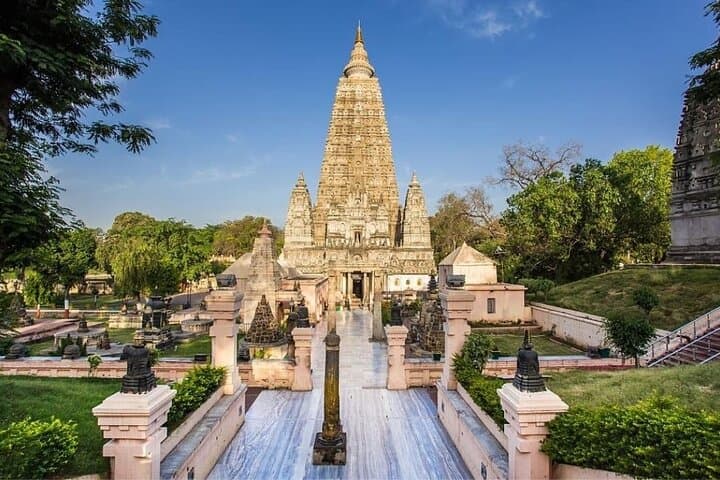
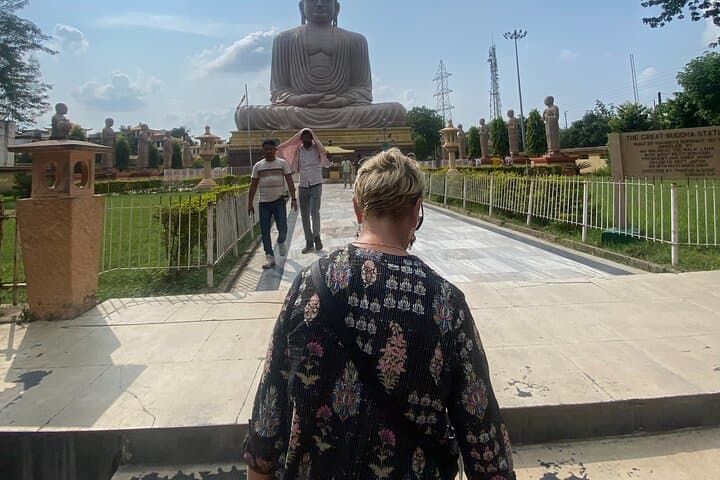
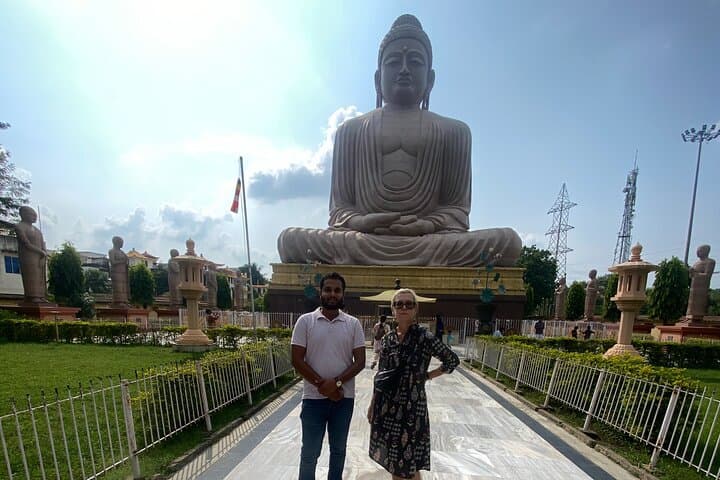
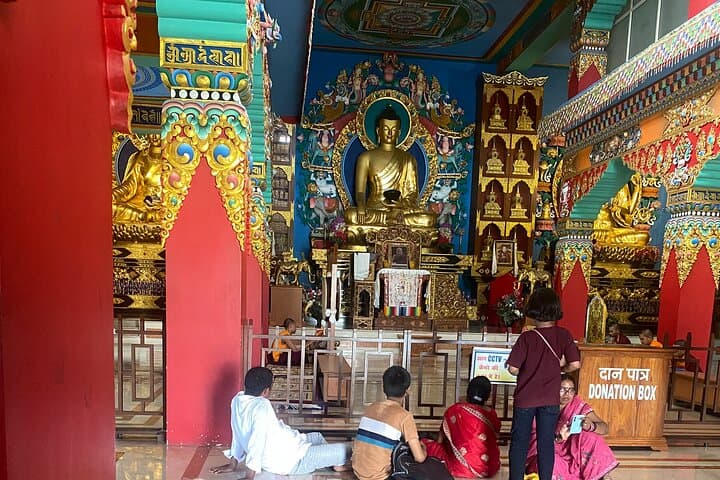
You arrive before the crowd—dusty road, flat fields of Bihar sliding past the window while the vehicle hums toward a cluster of temples and flags. The Mahabodhi complex rises quiet and stony against the sky; the Bodhi Tree’s leaves murmur like a congregation. Steps and courtyards guide you through places where ritual, history, and daily devotion meet.
You arrive before the crowd—dusty road, flat fields of Bihar sliding past the window while the vehicle hums toward a cluster of temples and flags. The Mahabodhi complex rises quiet and stony against the sky; the Bodhi Tree’s leaves murmur like a congregation. Steps and courtyards guide you through places where ritual, history, and daily devotion meet.
Bodh Gaya is the landmark of the Buddha’s enlightenment, preserved through centuries from Mauryan and Gupta patronage to modern restorations. The Mahabodhi Temple’s brick-and-stone shikhara dates back to ancient masonry, while the surrounding plains of the Ganges basin reflect recent alluvium rather than dramatic geology—this is a human landscape shaped by faith and riverine soils. The Great Buddha Statue and the Thai Monastery show how contemporary Buddhist communities keep the site living and international.
Expect measured walking between courtyards, museum rooms with Mauryan-age relics, and scheduled time for offerings and quiet reflection. Practically: start early from Patna to beat traffic and heat, wear modest, easily removable footwear for temple entry, and carry water and sunscreen. The guide will explain iconography, point out Vajrasana (the Diamond Throne), and arrange respectful interactions with resident monks.
Plan for a full day: transport takes a significant chunk of time but the itinerary is paced so you can combine main monuments, a museum visit, and a monastery stop without rushing. Keep small bills for donations, be prepared to remove shoes at shrines, and allow silence when ceremonies are underway. The trip is cultural, contemplative, and straightforward—ideal for travelers who want context as well as access.