THE ADVENTURE COLLECTIVE® · Independent discovery and booking for outdoor travel

Ride a bodaboda from Moshi into Materuni Village to hike beneath coffee and banana trees, visit a 90m waterfall and sample local coffee and banana beer. This active half-day tour blends Chagga culture, farmland geology, and a hands-on coffee experience.
Ride a bodaboda from Moshi into Materuni Village to hike beneath coffee and banana trees, visit a 90m waterfall and sample local coffee and banana beer. This active half-day tour blends Chagga culture, farmland geology, and a hands-on coffee experience.
The high whine of a bodaboda engine cuts through banana fronds as you ride away from Moshi, Kilimanjaro’s slopes rising like a slow, living wall to the west.
Verified experiences and guided adventures in the surrounding area.
Operated by Materuni Village Experience · Materuni, Kilimanjaro Region
The high whine of a bodaboda engine cuts through banana fronds as you ride away from Moshi, Kilimanjaro’s slopes rising like a slow, living wall to the west.
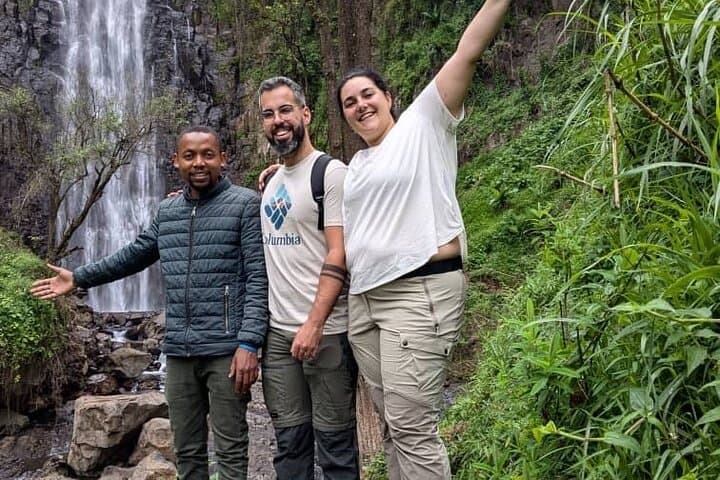
By the time you step off the motorbike in Materuni Village the air is cooler and the trees close in — rows of coffee plants, clumps of bananas and rivulets that gather into a channel heading for the falls. Materuni Waterfall drops roughly 90 meters; its spray scents the trail and erases the town’s hum. The walk to the plunge pool takes you along narrow, often muddy paths and terraced fields where the Chagga people have farmed volcanic soils for generations.
The Chagga shaped this landscape: crop terraces, home gardens and a coffee culture that predates commercial estates. Geologically, the falls are runoff from Kilimanjaro’s eastern slopes, channelled through hardened lava and fertile ash that make for sudden drops and steep gullies.
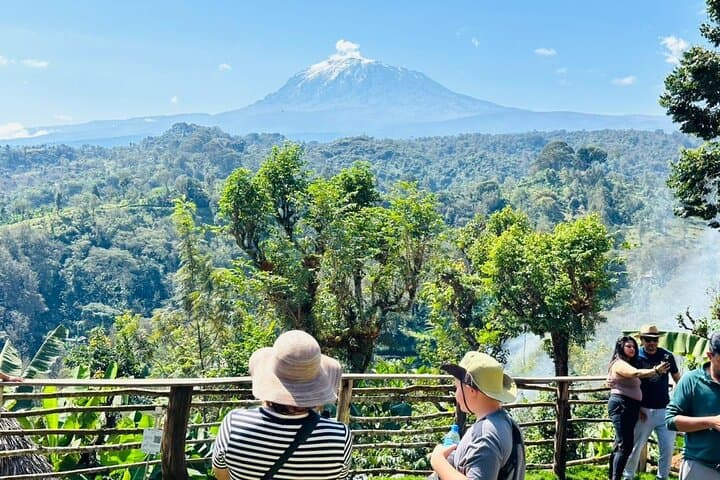
Practical notes: this is a six-hour, active day tour requiring moderate fitness. Expect uneven steps, short steep sections and river crossings after rain. Bring sturdy hiking shoes, a lightweight rain jacket, water and small cash for tips or school donations. Morning departures offer clearer views of Kilimanjaro and firmer trails; afternoons can be misty.
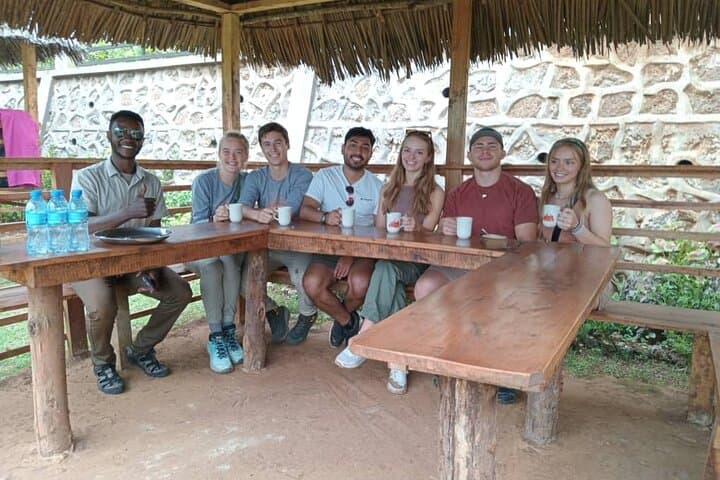
On the visit you’ll sample locally roasted coffee and banana beer, meet village families and can often stop at a primary school or church. Respect farm boundaries, ask before photographing people, and follow your guide’s advice on bodaboda safety. The loop combines cultural exchange with tangible effort — and a waterfall that rewards every step with a cool, island-like hush.
moderate.
5–6 hours.
Moderate fitness with ability to manage short steep sections and uneven terrain; comfortable on a motorbike.
Expect a 30–60 minute walk from the village center to the waterfall depending on pace and trail conditions; some sections are steep.
Bodabodas are a common local transport; choose a reputable operator, wear a helmet, hold on tightly and avoid overloading.
Yes — the tour includes a coffee demonstration and tasting of locally roasted beans and often fresh banana beer or tea.
Families often join, but organizers recommend moderate fitness and caution for very young children; confirm age limits with the operator.
The Chagga people have farmed Kilimanjaro’s lower slopes for centuries, shaping terraced fields and coffee traditions that persist today.
Sustainable tourism supports local incomes and encourages forest conservation; stick to trails, avoid single-use plastics and ask before giving money to individuals.
Materuni Village Experience operates guided outdoor trips and adventures with an emphasis on safety, stewardship, and memorable experiences.
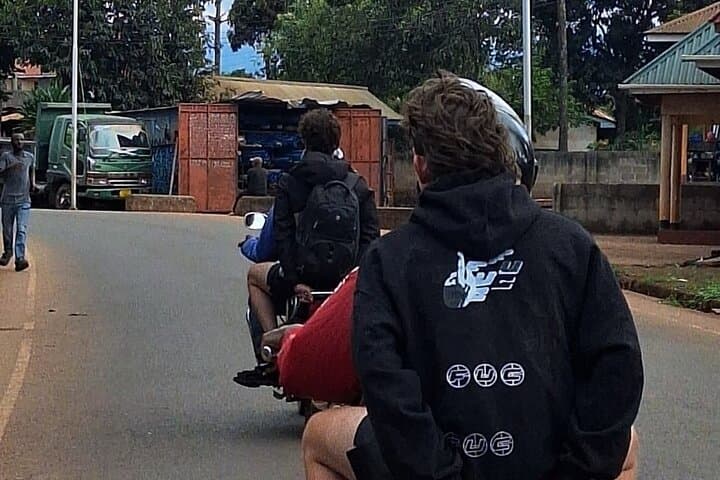
The high whine of a bodaboda engine cuts through banana fronds as you ride away from Moshi, Kilimanjaro’s slopes rising like a slow, living wall to the west.
The high whine of a bodaboda engine cuts through banana fronds as you ride away from Moshi, Kilimanjaro’s slopes rising like a slow, living wall to the west.
By the time you step off the motorbike in Materuni Village the air is cooler and the trees close in — rows of coffee plants, clumps of bananas and rivulets that gather into a channel heading for the falls. Materuni Waterfall drops roughly 90 meters; its spray scents the trail and erases the town’s hum. The walk to the plunge pool takes you along narrow, often muddy paths and terraced fields where the Chagga people have farmed volcanic soils for generations.
The Chagga shaped this landscape: crop terraces, home gardens and a coffee culture that predates commercial estates. Geologically, the falls are runoff from Kilimanjaro’s eastern slopes, channelled through hardened lava and fertile ash that make for sudden drops and steep gullies.
Practical notes: this is a six-hour, active day tour requiring moderate fitness. Expect uneven steps, short steep sections and river crossings after rain. Bring sturdy hiking shoes, a lightweight rain jacket, water and small cash for tips or school donations. Morning departures offer clearer views of Kilimanjaro and firmer trails; afternoons can be misty.
On the visit you’ll sample locally roasted coffee and banana beer, meet village families and can often stop at a primary school or church. Respect farm boundaries, ask before photographing people, and follow your guide’s advice on bodaboda safety. The loop combines cultural exchange with tangible effort — and a waterfall that rewards every step with a cool, island-like hush.