THE ADVENTURE COLLECTIVE® · Independent discovery and booking for outdoor travel

Walk through Argentina’s fiercest football rivalry with guided entry to La Bombonera and El Monumental. Experience museum exhibits, stadium vistas, and optional riverside lunch while learning the local stories behind the Superclásico.
Walk through Argentina’s fiercest football rivalry with guided entry to La Bombonera and El Monumental. Experience museum exhibits, stadium vistas, and optional riverside lunch while learning the local stories behind the Superclásico.
You arrive to a rumble that feels alive — a stair-stepped concrete throat at La Bombonera that seems to hold every shout. The tour moves from those vertiginous blue-and-gold stands to the wide, echoing sweep of El Monumental, where trophies glint and the ghost of past finals lingers. Chants press forward like a tide, and the air smells of grilled choripán and city smoke.
Verified experiences and guided adventures in the surrounding area.
Operated by Signature Tours · Buenos Aires, Ciudad Autónoma de Buenos Aires
You arrive to a rumble that feels alive — a stair-stepped concrete throat at La Bombonera that seems to hold every shout. The tour moves from those vertiginous blue-and-gold stands to the wide, echoing sweep of El Monumental, where trophies glint and the ghost of past finals lingers. Chants press forward like a tide, and the air smells of grilled choripán and city smoke.
The rivalry between Boca Juniors and River Plate dates to the early 20th century, a contest born of neighborhoods and social identity. Geologically, Buenos Aires sits on the flat Río de la Plata plain — an urban landscape shaped more by human movement than by elevation, where stadiums are the city’s cathedrals. Culturally, the Superclásico is a ritual: kits, banners, ribald humor, and generations of stories folded into museum cases.
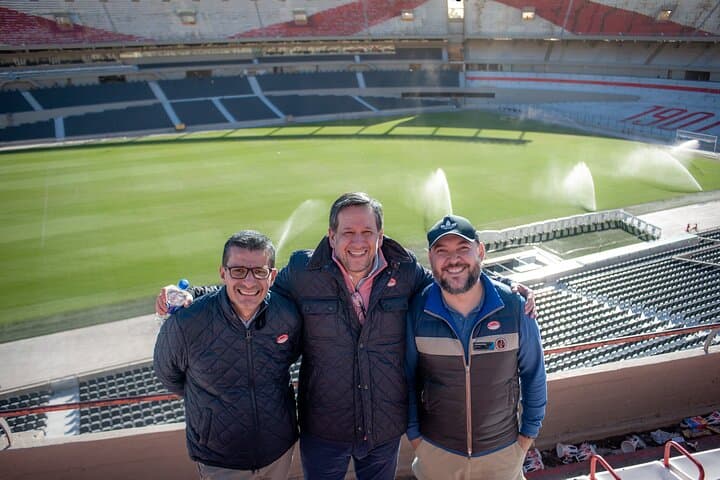
Expect museum rooms filled with jerseys, match-worn boots, and multimedia exhibits recounting key fixtures — including River’s Monumental role in the 1978 World Cup — and guides who frame moments with local color. The tour’s practical backbone is straightforward: a scheduled, 3–4 hour circuit with transport between sites and included entry. Bring a charged phone for photos, budget time for lines even with reservations, and consider the optional lunch at River’s restaurant for a quieter post-tour window on the pitch.
Logistics matter: public transit is efficient, pickpocketing can happen in crowds, and match days change the pace — if you want atmosphere, book on a derby weekend; if you prefer calm, choose a weekday morning. This is a civic spectacle you can read like a map — loud, organized, and unmistakably Argentine.
easy.
3–4 hours.
Suitable for all fitness levels; involves walking and some stairs at La Bombonera
Yes, the tour includes entrance to both the Boca Juniors museum and River Plate museum as stated in the itinerary.
Tours run on many days, but match days create heavier crowds and restricted access in some areas—check schedules when booking.
Yes, the tour includes transportation between La Bombonera and El Monumental as part of the four-hour circuit.
Yes—infants and small children can ride in strollers and the tour is rated easy for most fitness levels.
Boca and River split as clubs in the early 1900s along neighborhood and class lines; their rivalry evolved into the Superclásico, a defining element of Argentine identity.
Stadiums and museums promote waste separation and encourage public transit to reduce event-day congestion; visitors are asked to minimize litter and respect museum conservation rules.
Signature Tours operates guided outdoor trips and adventures with an emphasis on safety, stewardship, and memorable experiences.


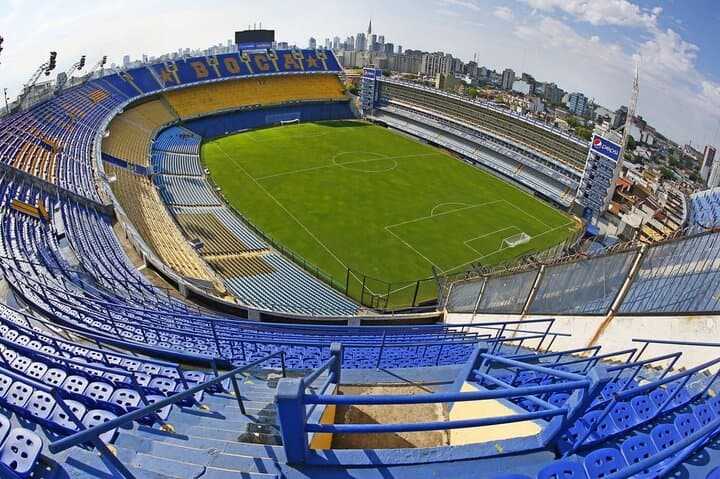
You arrive to a rumble that feels alive — a stair-stepped concrete throat at La Bombonera that seems to hold every shout. The tour moves from those vertiginous blue-and-gold stands to the wide, echoing sweep of El Monumental, where trophies glint and the ghost of past finals lingers. Chants press forward like a tide, and the air smells of grilled choripán and city smoke.
You arrive to a rumble that feels alive — a stair-stepped concrete throat at La Bombonera that seems to hold every shout. The tour moves from those vertiginous blue-and-gold stands to the wide, echoing sweep of El Monumental, where trophies glint and the ghost of past finals lingers. Chants press forward like a tide, and the air smells of grilled choripán and city smoke.
The rivalry between Boca Juniors and River Plate dates to the early 20th century, a contest born of neighborhoods and social identity. Geologically, Buenos Aires sits on the flat Río de la Plata plain — an urban landscape shaped more by human movement than by elevation, where stadiums are the city’s cathedrals. Culturally, the Superclásico is a ritual: kits, banners, ribald humor, and generations of stories folded into museum cases.
Expect museum rooms filled with jerseys, match-worn boots, and multimedia exhibits recounting key fixtures — including River’s Monumental role in the 1978 World Cup — and guides who frame moments with local color. The tour’s practical backbone is straightforward: a scheduled, 3–4 hour circuit with transport between sites and included entry. Bring a charged phone for photos, budget time for lines even with reservations, and consider the optional lunch at River’s restaurant for a quieter post-tour window on the pitch.
Logistics matter: public transit is efficient, pickpocketing can happen in crowds, and match days change the pace — if you want atmosphere, book on a derby weekend; if you prefer calm, choose a weekday morning. This is a civic spectacle you can read like a map — loud, organized, and unmistakably Argentine.