THE ADVENTURE COLLECTIVE® · Independent discovery and booking for outdoor travel

Bobotov Kuk is Durmitor’s highest peak—an exposed, limestone summit reached by a roughly five‑hour ascent from Žabljak. This guide outlines the terrain, geology, seasonal tips and practical gear to plan a safe, rewarding climb.
Bobotov Kuk is Durmitor’s highest peak—an exposed, limestone summit reached by a roughly five‑hour ascent from Žabljak. This guide outlines the terrain, geology, seasonal tips and practical gear to plan a safe, rewarding climb.
Early light slices the limestone ridges above Žabljak and the first steps onto the scree feel as deliberate as a promise. Bobotov Kuk, Durmitor’s 2,523‑metre high point, rises in raw, wind‑sculpted faces—granular karst and glacial bowls that push you into alpine territory within hours. The trail climbs steadily through mixed spruce and mountain pine, then opens into stony slopes where a fixed safety cable guards the final exposed crest.
Verified experiences and guided adventures in the surrounding area.
Operated by Montenegro Adrenaline Hunter · Žabljak, Durmitor National Park
Early light slices the limestone ridges above Žabljak and the first steps onto the scree feel as deliberate as a promise. Bobotov Kuk, Durmitor’s 2,523‑metre high point, rises in raw, wind‑sculpted faces—granular karst and glacial bowls that push you into alpine territory within hours. The trail climbs steadily through mixed spruce and mountain pine, then opens into stony slopes where a fixed safety cable guards the final exposed crest.
Durmitor’s peaks were carved by Pleistocene glaciers; beneath your boots are layers of Jurassic limestone folded into sharp ridgelines and hollows holding small cirque lakes. The region around Žabljak has long been a mountain grazing and shepherding landscape, and local guides share stories of wartime patrols and early mountaineering routes that opened these summits to visitors.
Expect close views of cirques, sudden wind gusts that seem to push you forward, and rivulets that betray the mountain’s water sources—several springs on route mean most parties refill rather than carry gallons. The climb is typically done as a half‑day outing (around five hours round trip for fit hikers), best between May and September when snow rarely blocks the cable section.
Practical guidance: wear stiff‑soled boots for scree and short exposed sections, layer for sharp temperature swings, and start early to avoid afternoon storms. A certified guide and mountain rescue escort are commonly included on organized departures. Carry basic navigation, 1.5–2 litres of water if you prefer redundancy, sun protection, and a lightweight shell. The route rewards steady pacing with wide, alpine views and a summit that delivers a clear sense of why Durmitor is a national park and UNESCO site.
challenging.
4–6 hours.
Good aerobic fitness and strong legs for sustained uphill, comfortable with loose scree and short exposed sections
Most groups spend about 4–6 hours round trip; individual pace and weather can expand that time.
Not legally required, but guided departures often include a mountain rescue escort and local route knowledge—recommended for first‑time visitors.
Yes—the final approach has a secured section with a safety cable; those with fear of exposure should assess beforehand.
May through September offers the most reliable snow‑free conditions; July–August have warmest valley weather but can still have cool summits.
Durmitor was shaped by glaciation and has been a pastoral and mountaineering landscape; the massif and surrounding park are part of Montenegro’s national park system and a UNESCO site.
Trails cross fragile alpine vegetation—stay on durable surfaces, pack out all waste, and respect seasonal closures to limit erosion.
Montenegro Adrenaline Hunter operates guided outdoor trips and adventures with an emphasis on safety, stewardship, and memorable experiences.
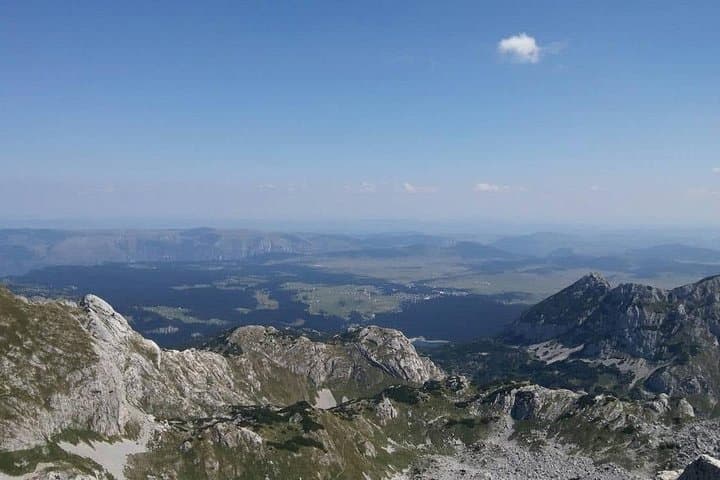
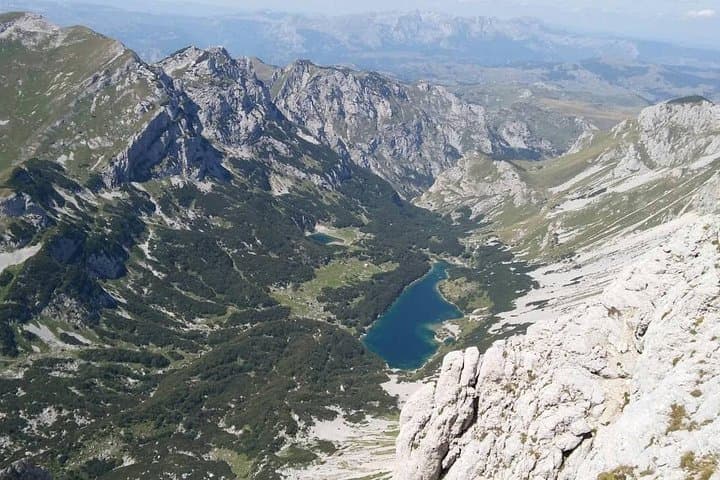
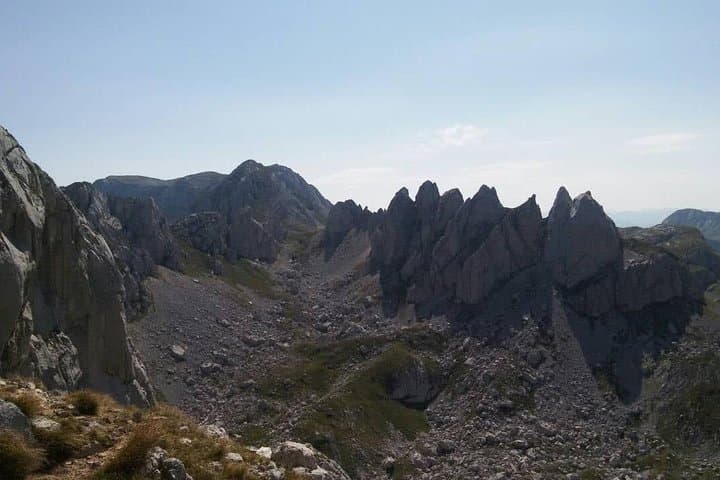
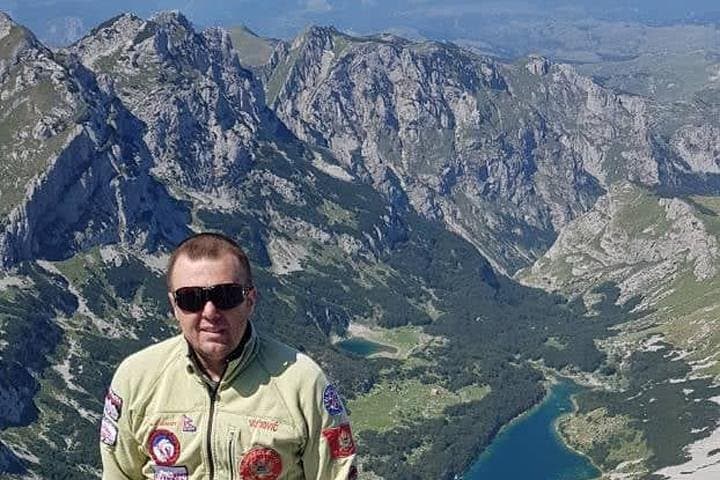
Early light slices the limestone ridges above Žabljak and the first steps onto the scree feel as deliberate as a promise. Bobotov Kuk, Durmitor’s 2,523‑metre high point, rises in raw, wind‑sculpted faces—granular karst and glacial bowls that push you into alpine territory within hours. The trail climbs steadily through mixed spruce and mountain pine, then opens into stony slopes where a fixed safety cable guards the final exposed crest.
Early light slices the limestone ridges above Žabljak and the first steps onto the scree feel as deliberate as a promise. Bobotov Kuk, Durmitor’s 2,523‑metre high point, rises in raw, wind‑sculpted faces—granular karst and glacial bowls that push you into alpine territory within hours. The trail climbs steadily through mixed spruce and mountain pine, then opens into stony slopes where a fixed safety cable guards the final exposed crest.
Durmitor’s peaks were carved by Pleistocene glaciers; beneath your boots are layers of Jurassic limestone folded into sharp ridgelines and hollows holding small cirque lakes. The region around Žabljak has long been a mountain grazing and shepherding landscape, and local guides share stories of wartime patrols and early mountaineering routes that opened these summits to visitors.
Expect close views of cirques, sudden wind gusts that seem to push you forward, and rivulets that betray the mountain’s water sources—several springs on route mean most parties refill rather than carry gallons. The climb is typically done as a half‑day outing (around five hours round trip for fit hikers), best between May and September when snow rarely blocks the cable section.
Practical guidance: wear stiff‑soled boots for scree and short exposed sections, layer for sharp temperature swings, and start early to avoid afternoon storms. A certified guide and mountain rescue escort are commonly included on organized departures. Carry basic navigation, 1.5–2 litres of water if you prefer redundancy, sun protection, and a lightweight shell. The route rewards steady pacing with wide, alpine views and a summit that delivers a clear sense of why Durmitor is a national park and UNESCO site.