THE ADVENTURE COLLECTIVE® · Independent discovery and booking for outdoor travel

Reserve timed entry to the Boboli Gardens and walk a 16th-century Medici park that reads like an outdoor museum—fountains, Buontalenti’s grotto, and views over Florence. Plan 1.5–3 hours, bring water and sturdy shoes, and use your ticket to visit Villa Bardini as well.
Reserve timed entry to the Boboli Gardens and walk a 16th-century Medici park that reads like an outdoor museum—fountains, Buontalenti’s grotto, and views over Florence. Plan 1.5–3 hours, bring water and sturdy shoes, and use your ticket to visit Villa Bardini as well.
You step through the gate behind Palazzo Pitti and the city exhales: clipped hedges, statues that lean like old courtiers, fountains that dare you to stand still and listen. The ordered geometry of avenues leads uphill, where cypress and plane trees trade shade like experienced guides. Light plays across the Fountain of Neptune; farther on, Buontalenti’s grotto holds cool shadow and sculpted stone.
Verified experiences and guided adventures in the surrounding area.
Operated by City Florence Tours · Florence, Tuscany
You step through the gate behind Palazzo Pitti and the city exhales: clipped hedges, statues that lean like old courtiers, fountains that dare you to stand still and listen. The ordered geometry of avenues leads uphill, where cypress and plane trees trade shade like experienced guides. Light plays across the Fountain of Neptune; farther on, Buontalenti’s grotto holds cool shadow and sculpted stone.
Begun in 1549 by Tribolo for Eleonora di Toledo and expanded by the Lorraine and Savoy dynasties, the Boboli Gardens functioned as an outdoor stage for Medici court life and later became a model for European palace gardens. Geologically the park climbs the Oltrarno slope, where terraces and retaining walls step visitors toward panoramic views of the Arno and Florence’s red roofs. Cultural layers are visible in both sculpture and layout: Renaissance axial lines give way to later romanticized plantings and Baroque fountains.
Practical guidance: timed-entry tickets are designed for 1.5–3 hours—enough to see the Isolotto, Buontalenti grotto, and the Neptune and Ocean fountains without rushing. The route includes paved paths and steep stone staircases; mobility access exists but some slopes are challenging. Bring water, wear sturdy shoes, and visit early morning or late afternoon to avoid peak sun and crowds. Your ticket also grants access to Villa Bardini’s garden; present valid ID matching the booking name at entry. Respect the sculptures and plantings—stay on paths and pack out any trash. With a modest plan and sensible gear, a walk through Boboli rewards with shaded avenues, sculpted drama, and wide views of historic Florence.
easy.
1.5–3 hours.
Light walking fitness required; expect some uphill and stairs but no technical climbing.
Plan 1.5–3 hours to see the main features (Isolotto, Buontalenti grotto, Neptune and Ocean fountains) at a relaxed pace.
Many main paths and entry points are accessible, but some terraces and historic stair sections are steep—check specific access routes before arrival.
This timed-entry ticket is for the Boboli Gardens; you may have the option to purchase a separate Pitti Palace ticket at booking, as advertised by the vendor.
Yes—strollers are accommodated on many paths, but narrow steps and slopes may limit access in some areas.
Commissioned in 1549 by Tribolo for Eleonora di Toledo under Cosimo I de' Medici, Boboli became a prototype for European court gardens and later expanded by the Lorraine and Savoy dynasties.
High visitor numbers and exposed sculptures require ongoing conservation; stay on paths, avoid climbing statues, and pack out waste to help protect fragile plantings and stonework.
City Florence Tours operates guided outdoor trips and adventures with an emphasis on safety, stewardship, and memorable experiences.
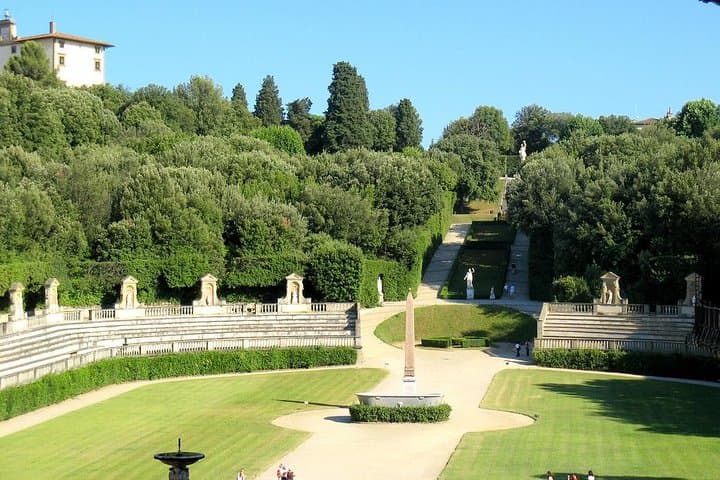
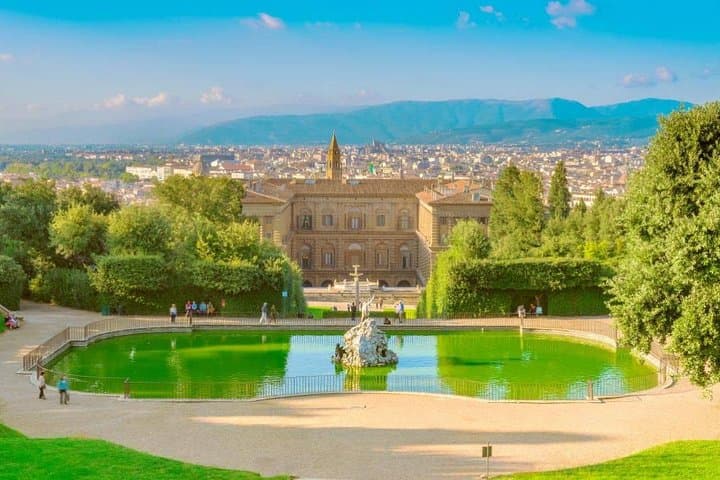
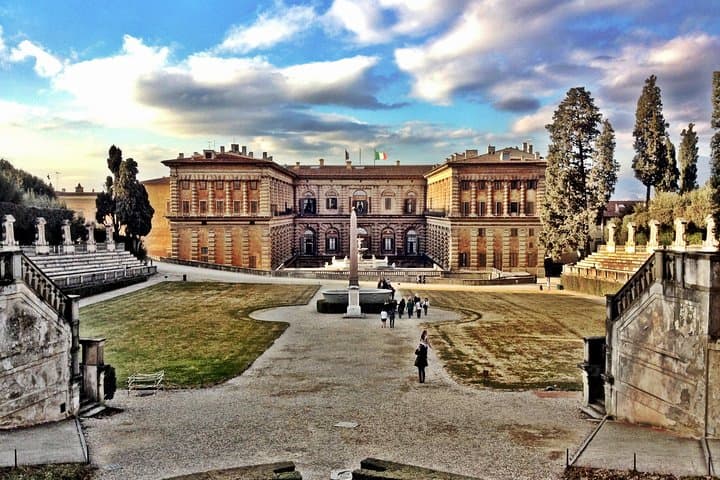
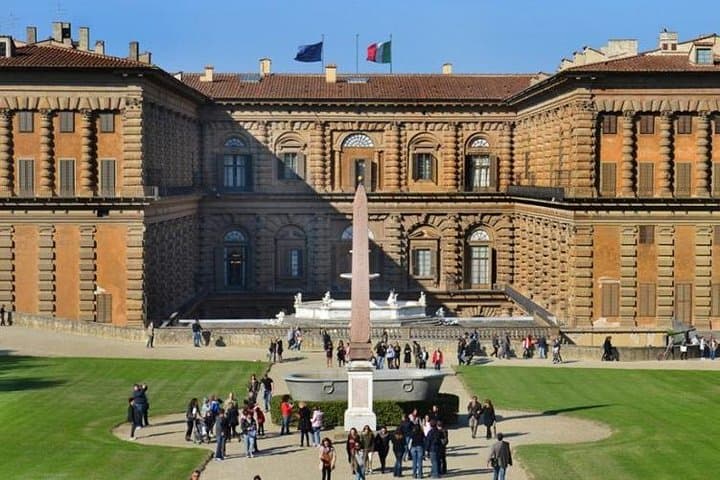
You step through the gate behind Palazzo Pitti and the city exhales: clipped hedges, statues that lean like old courtiers, fountains that dare you to stand still and listen. The ordered geometry of avenues leads uphill, where cypress and plane trees trade shade like experienced guides. Light plays across the Fountain of Neptune; farther on, Buontalenti’s grotto holds cool shadow and sculpted stone.
You step through the gate behind Palazzo Pitti and the city exhales: clipped hedges, statues that lean like old courtiers, fountains that dare you to stand still and listen. The ordered geometry of avenues leads uphill, where cypress and plane trees trade shade like experienced guides. Light plays across the Fountain of Neptune; farther on, Buontalenti’s grotto holds cool shadow and sculpted stone.
Begun in 1549 by Tribolo for Eleonora di Toledo and expanded by the Lorraine and Savoy dynasties, the Boboli Gardens functioned as an outdoor stage for Medici court life and later became a model for European palace gardens. Geologically the park climbs the Oltrarno slope, where terraces and retaining walls step visitors toward panoramic views of the Arno and Florence’s red roofs. Cultural layers are visible in both sculpture and layout: Renaissance axial lines give way to later romanticized plantings and Baroque fountains.
Practical guidance: timed-entry tickets are designed for 1.5–3 hours—enough to see the Isolotto, Buontalenti grotto, and the Neptune and Ocean fountains without rushing. The route includes paved paths and steep stone staircases; mobility access exists but some slopes are challenging. Bring water, wear sturdy shoes, and visit early morning or late afternoon to avoid peak sun and crowds. Your ticket also grants access to Villa Bardini’s garden; present valid ID matching the booking name at entry. Respect the sculptures and plantings—stay on paths and pack out any trash. With a modest plan and sensible gear, a walk through Boboli rewards with shaded avenues, sculpted drama, and wide views of historic Florence.