THE ADVENTURE COLLECTIVE® · Independent discovery and booking for outdoor travel

Explore the Boboli Gardens with an expert guide on a focused two-hour tour that reveals Medici intrigue, Mannerist grottoes and panoramic views over Florence. Learn the garden’s craft—statues, waterworks and terraces—while getting practical tips for a smooth visit.
Explore the Boboli Gardens with an expert guide on a focused two-hour tour that reveals Medici intrigue, Mannerist grottoes and panoramic views over Florence. Learn the garden’s craft—statues, waterworks and terraces—while getting practical tips for a smooth visit.
Stepping through the iron gate of Boboli is like entering a deliberate wilderness shaped by power: clipped cypress lanes push your eye toward the Arno, marble fountains breathe water into sunlit terraces, and the grotto murmurs with carved faces that once entertained Medici spectacles.
Verified experiences and guided adventures in the surrounding area.
Operated by Vincenzo Manole · Florence, Tuscany
Stepping through the iron gate of Boboli is like entering a deliberate wilderness shaped by power: clipped cypress lanes push your eye toward the Arno, marble fountains breathe water into sunlit terraces, and the grotto murmurs with carved faces that once entertained Medici spectacles.
The two-hour guided route traces that history—how the Medici transformed a working hillside behind Palazzo Pitti into a theatrical garden, importing Roman statuary and Mannerist imagination. Geology here is gentle: terraces cut into sandstone and clay create long views over Florence’s red roofs, while engineered water channels fed the Ocean Fountain and the Amphitheater, Europe’s largest garden-theater.
Culturally the gardens read like a political landscape—plantings, statuary and sightlines arranged to display taste and control. Local guides highlight restoration episodes, the Buontalenti grotto’s allegories, and the hydraulic legacy that still lifts water over broad flights of stone.
Practical guidance: expect paved paths, gravel terraces and many stairs; comfortable walking shoes and a reusable water bottle are essential. Bring ID that matches your booking—entry is controlled and tickets (about €13) are required. The best time to visit is early morning for softer light and fewer crowds; late afternoon gives warm shadow and cooler terraces. Accessibility is mixed—some areas are wheelchair-accessible but others involve steps. Respect marked borders and plant collections to preserve fragile sections.
This tour balances art, horticulture and urban panorama: a compact, active way to read Florence’s Renaissance through gardens built to be seen, used and performed in.
moderate.
2 hours.
Moderate — able to walk for two hours with stair climbs and uneven surfaces
Yes — the tour includes the entrance ticket to the Boboli Gardens; the listed ticket price is approximately €13 per person as of booking.
Some paths and entrances are stroller- and wheelchair-accessible, but several areas have stairs and uneven terrain; contact the operator about specific access needs.
Yes — each traveler must present a valid passport or national ID that matches the name used at booking to gain entry.
Photography is allowed for personal use, but be respectful of other visitors and any areas marked as restricted or under restoration.
The Boboli Gardens were expanded by the Medici in the 16th century adjacent to Palazzo Pitti and served as a stage for ducal display, combining sculpture, hydraulics and imported plants.
Ongoing conservation balances visitor access with restoration of statuary and historic water systems; stay on paths and avoid touching sculptures to reduce wear.
Vincenzo Manole operates guided outdoor trips and adventures with an emphasis on safety, stewardship, and memorable experiences.
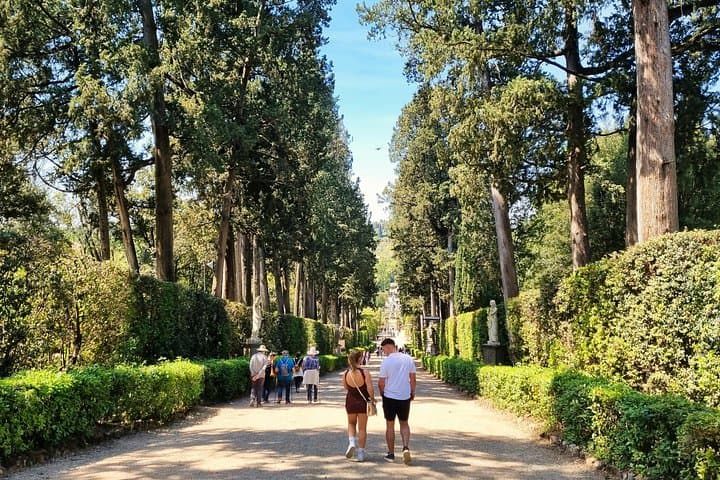
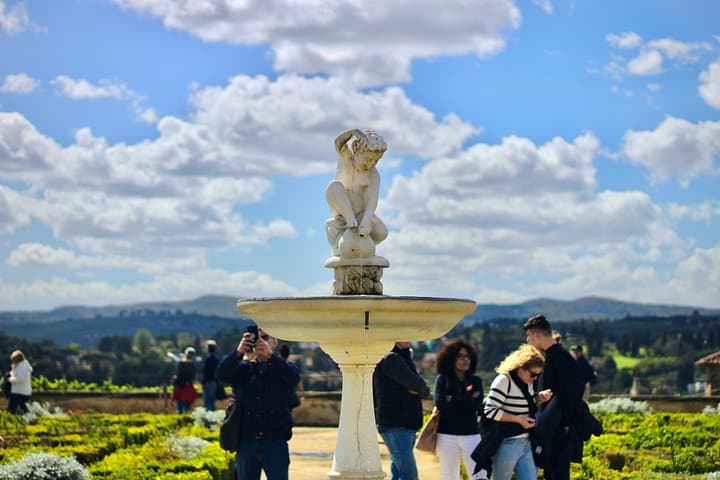
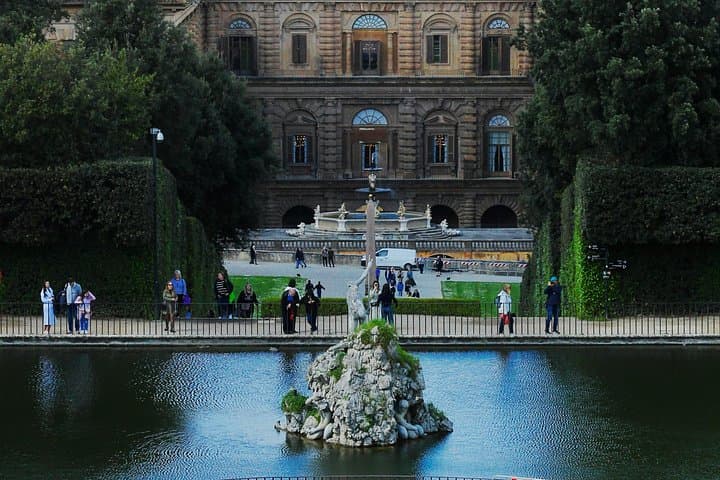
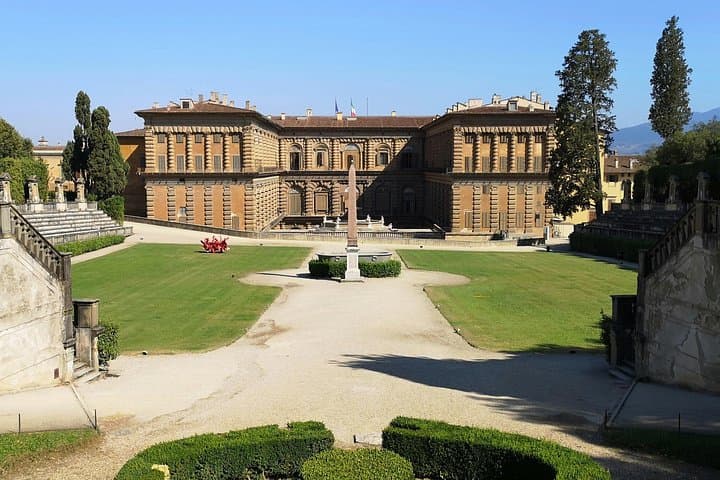
Stepping through the iron gate of Boboli is like entering a deliberate wilderness shaped by power: clipped cypress lanes push your eye toward the Arno, marble fountains breathe water into sunlit terraces, and the grotto murmurs with carved faces that once entertained Medici spectacles.
Stepping through the iron gate of Boboli is like entering a deliberate wilderness shaped by power: clipped cypress lanes push your eye toward the Arno, marble fountains breathe water into sunlit terraces, and the grotto murmurs with carved faces that once entertained Medici spectacles.
The two-hour guided route traces that history—how the Medici transformed a working hillside behind Palazzo Pitti into a theatrical garden, importing Roman statuary and Mannerist imagination. Geology here is gentle: terraces cut into sandstone and clay create long views over Florence’s red roofs, while engineered water channels fed the Ocean Fountain and the Amphitheater, Europe’s largest garden-theater.
Culturally the gardens read like a political landscape—plantings, statuary and sightlines arranged to display taste and control. Local guides highlight restoration episodes, the Buontalenti grotto’s allegories, and the hydraulic legacy that still lifts water over broad flights of stone.
Practical guidance: expect paved paths, gravel terraces and many stairs; comfortable walking shoes and a reusable water bottle are essential. Bring ID that matches your booking—entry is controlled and tickets (about €13) are required. The best time to visit is early morning for softer light and fewer crowds; late afternoon gives warm shadow and cooler terraces. Accessibility is mixed—some areas are wheelchair-accessible but others involve steps. Respect marked borders and plant collections to preserve fragile sections.
This tour balances art, horticulture and urban panorama: a compact, active way to read Florence’s Renaissance through gardens built to be seen, used and performed in.