THE ADVENTURE COLLECTIVE® · Independent discovery and booking for outdoor travel

Board in Setúbal and sail the protected waters of the Marine Park Professor Luiz Saldanha, visiting Arrábida’s white-sand bays, Troia’s peninsula and small islands. Expect cave passages, turquoise swim stops and possible dolphin encounters on this 2+ hour coastal cruise.
Board in Setúbal and sail the protected waters of the Marine Park Professor Luiz Saldanha, visiting Arrábida’s white-sand bays, Troia’s peninsula and small islands. Expect cave passages, turquoise swim stops and possible dolphin encounters on this 2+ hour coastal cruise.
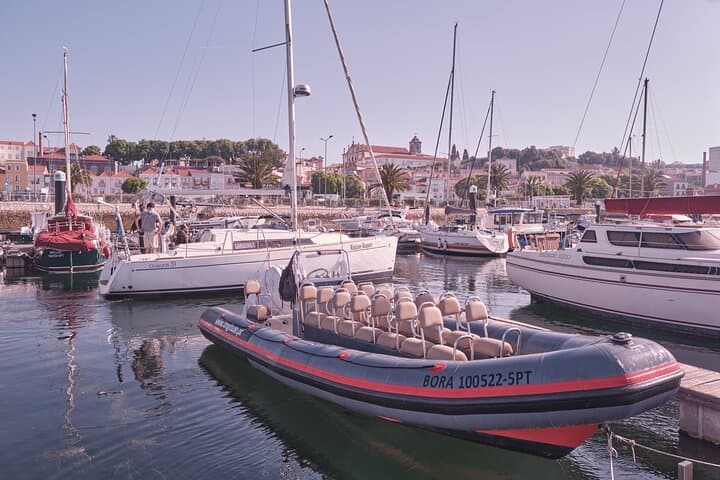
You push off from Setúbal’s quay as gulls peel away and the Sado River narrows, the city’s brick facades sliding back into low cliffs and cork-oak slopes. The boat hums forward; Outão lighthouse marks the last ordered point of land before the Atlantic breathes salt and wide blue. Ahead, the Arrábida massif crouches in limestone folds, its white-sand beaches and small islands unspooling like chapters along the coast.
Verified experiences and guided adventures in the surrounding area.
Operated by Longitude - turismo náutico e de natureza · Setúbal, Setúbal
You push off from Setúbal’s quay as gulls peel away and the Sado River narrows, the city’s brick facades sliding back into low cliffs and cork-oak slopes. The boat hums forward; Outão lighthouse marks the last ordered point of land before the Atlantic breathes salt and wide blue. Ahead, the Arrábida massif crouches in limestone folds, its white-sand beaches and small islands unspooling like chapters along the coast.
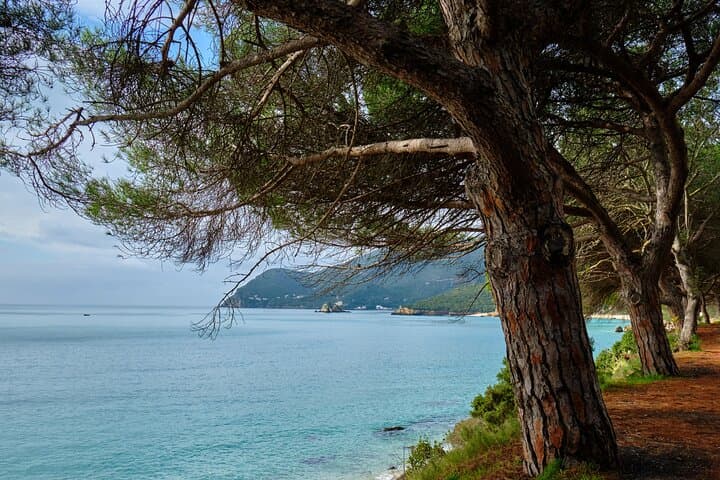
This stretch of coast has been a crossroads for Phoenicians and Romans and later charmed the oceanographer-king D. Carlos I. Geologically, Arrábida’s limestone and marl have been sculpted into cliffs, gorges and shallow bays with water that alternates between slate and turquoise depending on the sun. Culturally, Setúbal remains a working fishing town—expect the smell of fried cuttlefish and harbor traffic alongside the calm of the marine reserve.
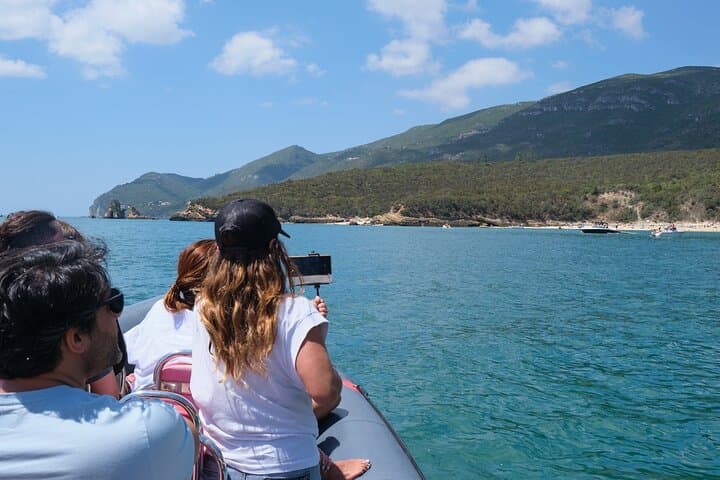
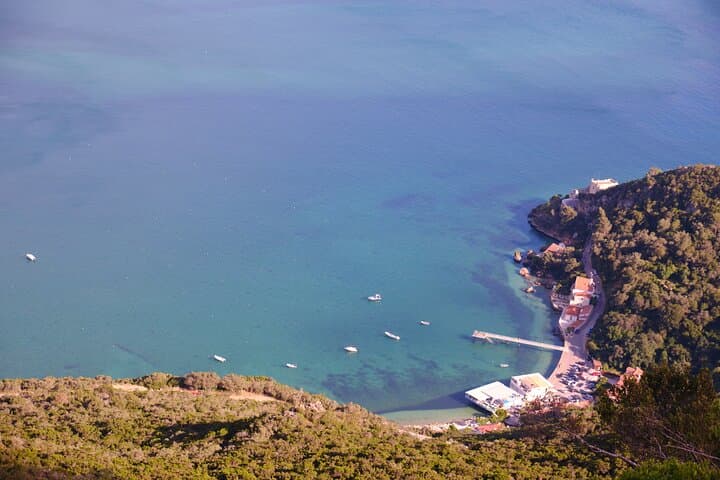
From the sea you’ll pass Galapos, Galapinhos, Coelhos, Creiro, Portinho da Arrábida and Alpertuche, skim small sea caves, and cruise past Tróia’s pale peninsula and islets near Adoche. Dolphins often intercept the bow, curious and quick; the captain can detour for sightings and a swim stop in protected water.
Practical note: trips run about 2–2.5 hours—bring sun protection, a wind layer, motion-sickness remedies if you’re sensitive, and a waterproof pouch for your camera. Respect the Marine Park Professor Luiz Saldanha: avoid stepping on seagrass, follow crew guidance during swims, and arrive ready to trade tourist bustle for exposed cliffs, clear water and a marine life that still moves on its own terms.
easy.
2–2.5 hours.
Suitable for most fitness levels; basic mobility for boarding and short climbs on/off the boat is required
Standard boarding is in Setúbal; Troia Marina pickup may be available by request—confirm at booking and arrive 15 minutes early.
Dolphin encounters are common but not guaranteed; captains often detour when pods are observed, weather permitting.
Infants must sit on laps; the tour is labeled physically easy but not recommended for travelers with spinal injuries or those who are pregnant.
Full refund if you cancel at least 24 hours before departure; the operator may cancel for bad weather or insufficient travelers with refund eligibility per policy.
Phoenicians and Romans used this coast for trade and fish salting; in the late 19th century King Carlos I studied its marine life and helped popularize research here.
The route crosses the Marine Park Professor Luiz Saldanha; stick to crew guidance, avoid anchoring on seagrass beds, and dispose of waste onshore to protect habitats.
Longitude - turismo náutico e de natureza operates guided outdoor trips and adventures with an emphasis on safety, stewardship, and memorable experiences.
You push off from Setúbal’s quay as gulls peel away and the Sado River narrows, the city’s brick facades sliding back into low cliffs and cork-oak slopes. The boat hums forward; Outão lighthouse marks the last ordered point of land before the Atlantic breathes salt and wide blue. Ahead, the Arrábida massif crouches in limestone folds, its white-sand beaches and small islands unspooling like chapters along the coast.
You push off from Setúbal’s quay as gulls peel away and the Sado River narrows, the city’s brick facades sliding back into low cliffs and cork-oak slopes. The boat hums forward; Outão lighthouse marks the last ordered point of land before the Atlantic breathes salt and wide blue. Ahead, the Arrábida massif crouches in limestone folds, its white-sand beaches and small islands unspooling like chapters along the coast.
This stretch of coast has been a crossroads for Phoenicians and Romans and later charmed the oceanographer-king D. Carlos I. Geologically, Arrábida’s limestone and marl have been sculpted into cliffs, gorges and shallow bays with water that alternates between slate and turquoise depending on the sun. Culturally, Setúbal remains a working fishing town—expect the smell of fried cuttlefish and harbor traffic alongside the calm of the marine reserve.
From the sea you’ll pass Galapos, Galapinhos, Coelhos, Creiro, Portinho da Arrábida and Alpertuche, skim small sea caves, and cruise past Tróia’s pale peninsula and islets near Adoche. Dolphins often intercept the bow, curious and quick; the captain can detour for sightings and a swim stop in protected water.
Practical note: trips run about 2–2.5 hours—bring sun protection, a wind layer, motion-sickness remedies if you’re sensitive, and a waterproof pouch for your camera. Respect the Marine Park Professor Luiz Saldanha: avoid stepping on seagrass, follow crew guidance during swims, and arrive ready to trade tourist bustle for exposed cliffs, clear water and a marine life that still moves on its own terms.