THE ADVENTURE COLLECTIVE® · Independent discovery and booking for outdoor travel

A short boat excursion from Angra do Heroísmo brings you up close to Ilhéu das Cabras’ volcanic cliffs and busy seabird colonies. In 90 minutes you’ll circle the islet, learn its geology and history, and may have the chance to swim in blue Azorean waters.
A short boat excursion from Angra do Heroísmo brings you up close to Ilhéu das Cabras’ volcanic cliffs and busy seabird colonies. In 90 minutes you’ll circle the islet, learn its geology and history, and may have the chance to swim in blue Azorean waters.
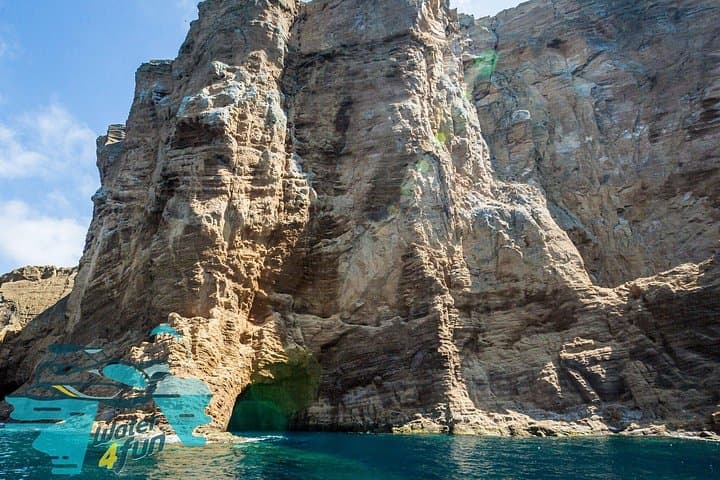
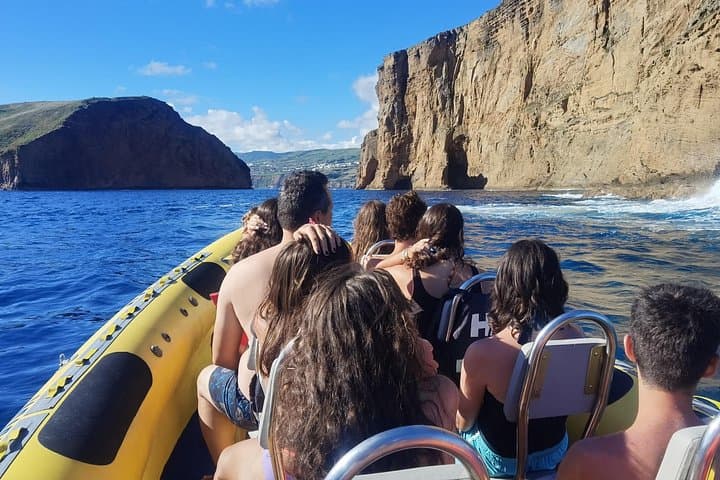
A low-slung motorboat slips out of Angra do Heroísmo and the air sharpens with salt; within minutes the town’s red roofs recede and the sea opens toward a dark volcanic silhouette. Ilhéu das Cabras rises like a compact fortress—rock faces hewn by eruptions and waves—its two arms split by a narrow channel where seabirds stake claim.
Verified experiences and guided adventures in the surrounding area.
Operated by Water4fun Whale Watching Terceira · Angra do Heroísmo, Azores
A low-slung motorboat slips out of Angra do Heroísmo and the air sharpens with salt; within minutes the town’s red roofs recede and the sea opens toward a dark volcanic silhouette. Ilhéu das Cabras rises like a compact fortress—rock faces hewn by eruptions and waves—its two arms split by a narrow channel where seabirds stake claim.
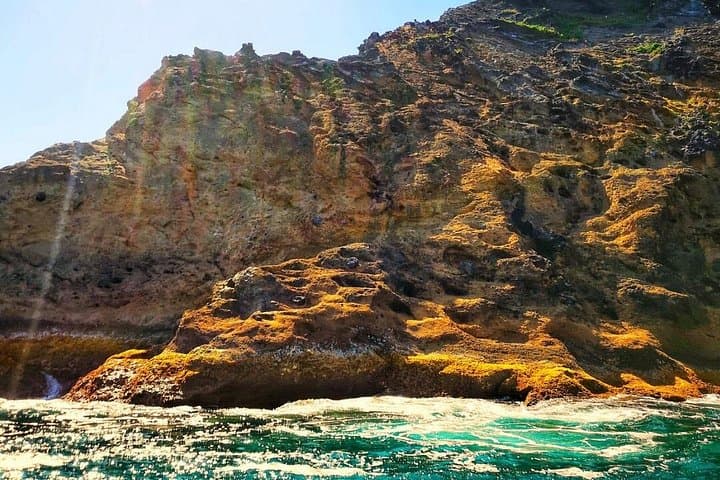
Geology here reads like a recent chapter: stacked lava flows, sea-eroded cliffs, and the roughly 120‑metre gap between the islet’s fingers that boats thread during the typical “8” route. Historically the islet served as a navigational marker and a seasonal bird rookery; the Azorean fishing culture on Terceira still orients around these offshore features. Guides explain both the volcanic origin and the local lore as waves dare you closer and currents push the hull along the cliffs.
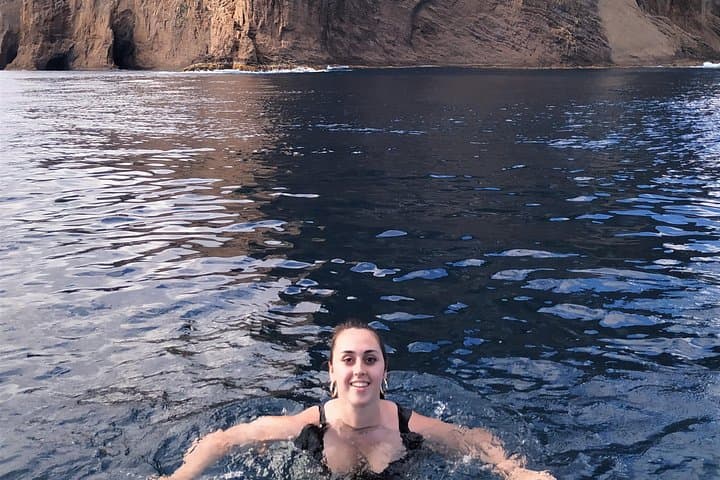
On this 90‑minute outing travelers can expect close observation of the islet’s volcanic structure, guided narration, and—weather permitting—the option for a short swim in clear blue water. The tour is suitable for most fitness levels but requires stable footing on a small craft.
Practical tips: book a morning slot for calmer seas, bring motion‑sickness prevention if you’re prone, wear non‑slip shoes and layers against ocean spray, and bring a waterproof camera. Respect nesting areas—stay quiet and avoid sudden approaches when birds are present. The experience is compact, sensory, and informative: a short but vivid marine encounter with Terceira’s raw volcanic edge.
easy.
1–1.5 hours.
Suitable for most fitness levels; participants should be comfortable boarding a small boat and standing for short periods.
Yes—some operators offer a short swim stop in calm conditions; the guide will assess safety and water conditions before entry.
Tours typically depart from Angra do Heroísmo’s harbor; check your booking confirmation for the exact meeting point and arrival time.
Generally yes—this is rated easy, but anyone with mobility or back issues should consult the operator; life jackets are provided.
Expect seabirds such as terns and shearwaters; occasional marine mammals like dolphins can be seen but are not guaranteed.
Ilhéu das Cabras has long been a local landmark for sailors and a seasonal nesting area for seabirds; guides often recount its role in regional navigation and fishing traditions.
The islet is an important protected area for breeding seabirds—operators limit disturbance and follow local regulations to reduce impact.
Water4fun Whale Watching Terceira operates guided outdoor trips and adventures with an emphasis on safety, stewardship, and memorable experiences.
A low-slung motorboat slips out of Angra do Heroísmo and the air sharpens with salt; within minutes the town’s red roofs recede and the sea opens toward a dark volcanic silhouette. Ilhéu das Cabras rises like a compact fortress—rock faces hewn by eruptions and waves—its two arms split by a narrow channel where seabirds stake claim.
A low-slung motorboat slips out of Angra do Heroísmo and the air sharpens with salt; within minutes the town’s red roofs recede and the sea opens toward a dark volcanic silhouette. Ilhéu das Cabras rises like a compact fortress—rock faces hewn by eruptions and waves—its two arms split by a narrow channel where seabirds stake claim.
Geology here reads like a recent chapter: stacked lava flows, sea-eroded cliffs, and the roughly 120‑metre gap between the islet’s fingers that boats thread during the typical “8” route. Historically the islet served as a navigational marker and a seasonal bird rookery; the Azorean fishing culture on Terceira still orients around these offshore features. Guides explain both the volcanic origin and the local lore as waves dare you closer and currents push the hull along the cliffs.
On this 90‑minute outing travelers can expect close observation of the islet’s volcanic structure, guided narration, and—weather permitting—the option for a short swim in clear blue water. The tour is suitable for most fitness levels but requires stable footing on a small craft.
Practical tips: book a morning slot for calmer seas, bring motion‑sickness prevention if you’re prone, wear non‑slip shoes and layers against ocean spray, and bring a waterproof camera. Respect nesting areas—stay quiet and avoid sudden approaches when birds are present. The experience is compact, sensory, and informative: a short but vivid marine encounter with Terceira’s raw volcanic edge.