THE ADVENTURE COLLECTIVE® · Independent discovery and booking for outdoor travel

Glide the Dutch Canal, cross a tidal lagoon and explore the Muthurajawela mangroves on a compact half‑day boat tour from Negombo. Expect close birdlife encounters, local fishing scenes and easy boat access suitable for adventurous day‑trippers.
Glide the Dutch Canal, cross a tidal lagoon and explore the Muthurajawela mangroves on a compact half‑day boat tour from Negombo. Expect close birdlife encounters, local fishing scenes and easy boat access suitable for adventurous day‑trippers.
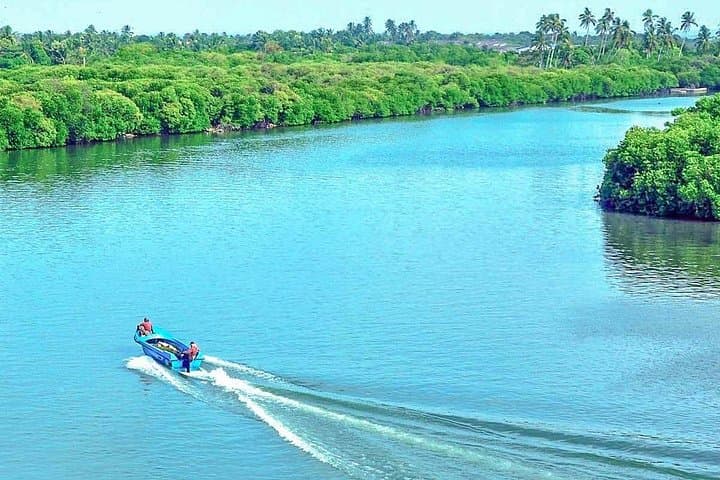
The engine hums low as your boat slips from the narrow Dutch Canal into a wide, restless lagoon; mangrove roots braid the shoreline and birds wheel above, timing their dives with the tide.
Verified experiences and guided adventures in the surrounding area.
Operated by Wondrous Tours · Negombo, Western Province
The engine hums low as your boat slips from the narrow Dutch Canal into a wide, restless lagoon; mangrove roots braid the shoreline and birds wheel above, timing their dives with the tide.
This half‑day run takes you along a historic colonial waterway — the Hamilton/Dutch Canal built to connect plantation zones — then across Negombo Lagoon, a shallow, tidal body rimmed by rice paddies and coconut stands. The route threads through mangrove channels into the Muthurajawela Wetland, one of Sri Lanka’s largest coastal marshes and an important stopover for migratory waterbirds.
Geology here is recent: lagoonal sediments and tidal flats shaped by river inputs and coastal currents. Culturally, the lagoon supports centuries‑old fishing practices; you’ll pass fishermen updating nets and small stilted homes that read the tide as clockwork.
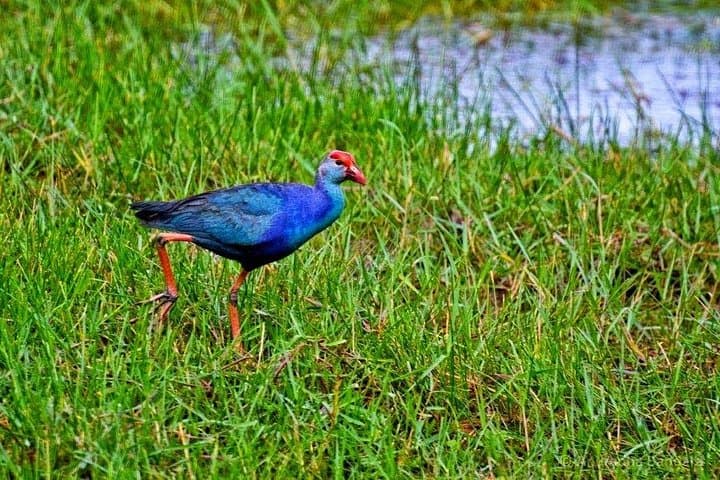
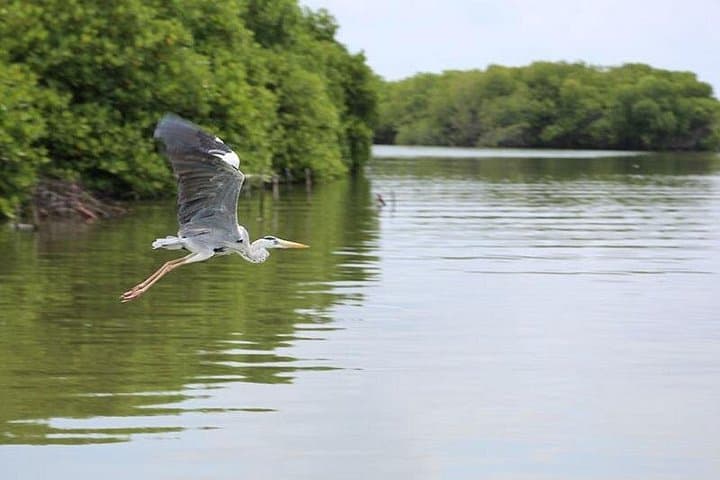
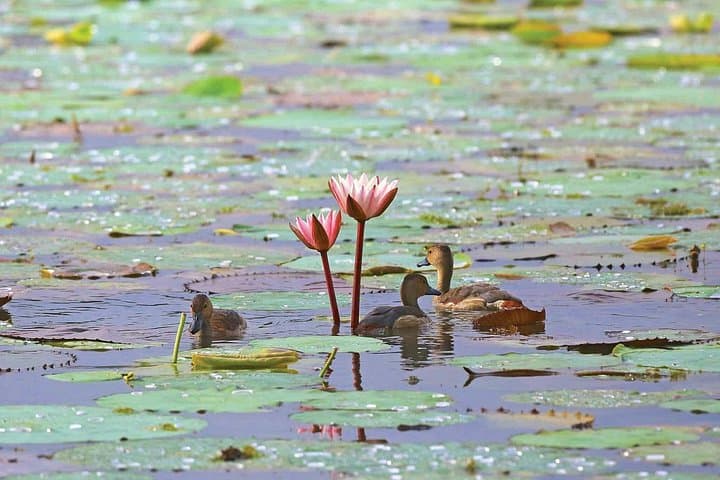
Expect close birdwatching — cormorants, herons and terns are common — and the chance to see water monitors along exposed roots. The pace is gentle but active: stepping on and off a small motorboat, short walks on muddy paths, and periods of sitting and scanning.
Practical notes: morning departures give the best light and bird activity; wear sun protection, insect repellent and non‑slip shoes that can get wet. Bring a lightweight rain layer in the monsoon months and a camera with a mid‑range telephoto for birds. The operator typically provides hotel pickup and bottled water; mobility issues and pregnancy are discouraged. This compact, three‑hour outing balances history, wildlife and a hands‑on look at a living coastal ecosystem.
moderate.
3 hours.
Requires moderate mobility: short boat boarding, light walking on uneven or muddy ground, and standing for birdwatching.
The tour runs about three hours and typically includes hotel pickup in Negombo plus a boat ride through canal, lagoon and mangroves.
Light, quick‑dry clothing, a sun hat, closed‑toe non‑slip shoes and a light rain layer in wet season are recommended.
Yes — common sightings include herons, egrets, cormorants, terns and occasional water monitors; sightings depend on season and tide.
Children can join but must be supervised; the tour involves boat boarding and some uneven walking, so it’s not recommended for those with serious mobility limitations or recent back injuries.
The Dutch Canal (Hamilton Canal) dates to the colonial era and served as a transport artery for goods and people between coastal towns; the lagoon and marshlands have long supported local fisheries.
Muthurajawela is an ecologically sensitive wetland under protection efforts for mangrove conservation; avoid disturbing wildlife, dispose of waste properly, and follow guide instructions to limit impact.
Wondrous Tours operates guided outdoor trips and adventures with an emphasis on safety, stewardship, and memorable experiences.
The engine hums low as your boat slips from the narrow Dutch Canal into a wide, restless lagoon; mangrove roots braid the shoreline and birds wheel above, timing their dives with the tide.
The engine hums low as your boat slips from the narrow Dutch Canal into a wide, restless lagoon; mangrove roots braid the shoreline and birds wheel above, timing their dives with the tide.
This half‑day run takes you along a historic colonial waterway — the Hamilton/Dutch Canal built to connect plantation zones — then across Negombo Lagoon, a shallow, tidal body rimmed by rice paddies and coconut stands. The route threads through mangrove channels into the Muthurajawela Wetland, one of Sri Lanka’s largest coastal marshes and an important stopover for migratory waterbirds.
Geology here is recent: lagoonal sediments and tidal flats shaped by river inputs and coastal currents. Culturally, the lagoon supports centuries‑old fishing practices; you’ll pass fishermen updating nets and small stilted homes that read the tide as clockwork.
Expect close birdwatching — cormorants, herons and terns are common — and the chance to see water monitors along exposed roots. The pace is gentle but active: stepping on and off a small motorboat, short walks on muddy paths, and periods of sitting and scanning.
Practical notes: morning departures give the best light and bird activity; wear sun protection, insect repellent and non‑slip shoes that can get wet. Bring a lightweight rain layer in the monsoon months and a camera with a mid‑range telephoto for birds. The operator typically provides hotel pickup and bottled water; mobility issues and pregnancy are discouraged. This compact, three‑hour outing balances history, wildlife and a hands‑on look at a living coastal ecosystem.