THE ADVENTURE COLLECTIVE® · Independent discovery and booking for outdoor travel

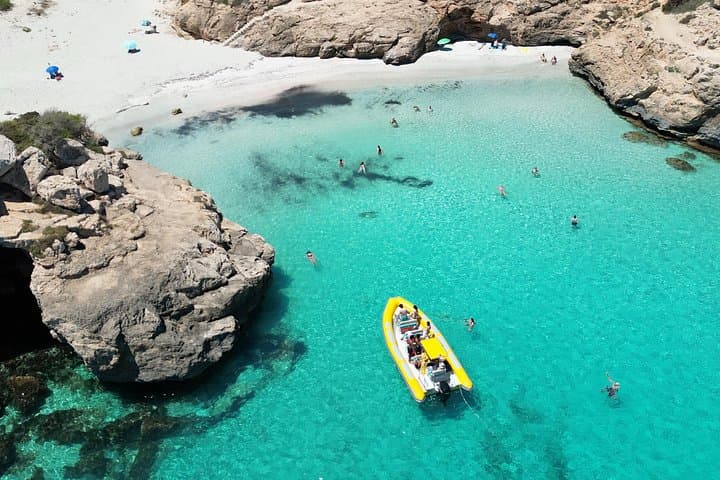
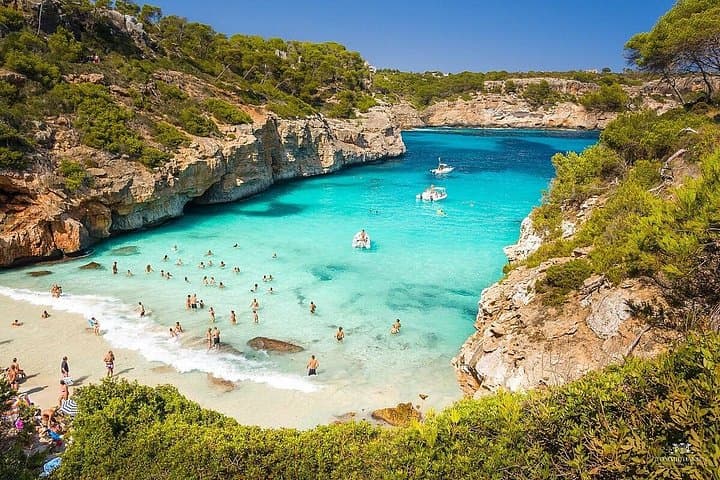
Explore Mallorca’s southeast by small boat: swim and snorkel at Caló des Moro, pass beneath Es Pontàs and land at the hard-to-reach Cala Marmols. This compact tour mixes dramatic geology with quiet coves.
Explore Mallorca’s southeast by small boat: swim and snorkel at Caló des Moro, pass beneath Es Pontàs and land at the hard-to-reach Cala Marmols. This compact tour mixes dramatic geology with quiet coves.
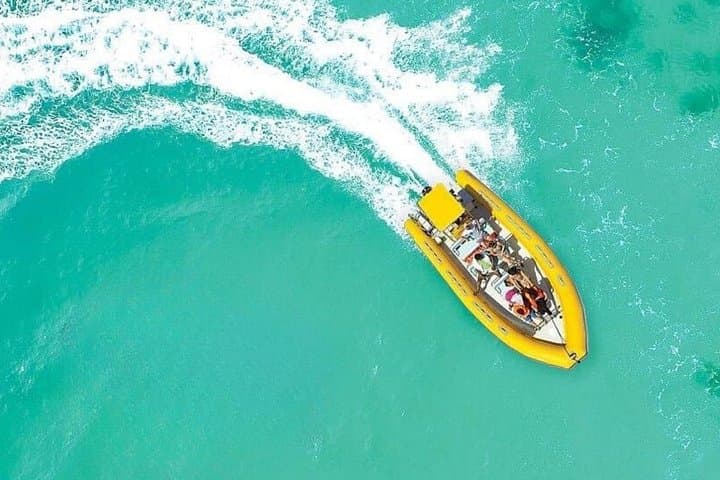
The engine purrs and the harbor of Cala Figuera slips away like a painted edge: white fishermen’s houses clinging to the water, slender dinghies bobbing, and salt air that carries the day’s light. Within minutes the coastline opens—Es Pontàs rises like a carved gateway, its stone arch daring you to peer through to the open sea. Small coves appear and vanish as the boat threads cliffs, each one offering pockets of turquoise and rock shelves warmed by the sun.
Verified experiences and guided adventures in the surrounding area.
Operated by Ocean Charter Mallorca · Cala Figuera, Balearic Islands
The engine purrs and the harbor of Cala Figuera slips away like a painted edge: white fishermen’s houses clinging to the water, slender dinghies bobbing, and salt air that carries the day’s light. Within minutes the coastline opens—Es Pontàs rises like a carved gateway, its stone arch daring you to peer through to the open sea. Small coves appear and vanish as the boat threads cliffs, each one offering pockets of turquoise and rock shelves warmed by the sun.
This stretch of Mallorca’s southeast combines Miocene limestone cliffs with harder, reddish sandstone outcrops; wave action over millennia sculpted arches, caves and the sheltered basins that make Caló des Moro and Cala Marmols so striking. The fishing hamlet culture here is still visible in S’Almunia’s boathouses and in local anchoring practices that favor small, respectful visits over mass tourism.
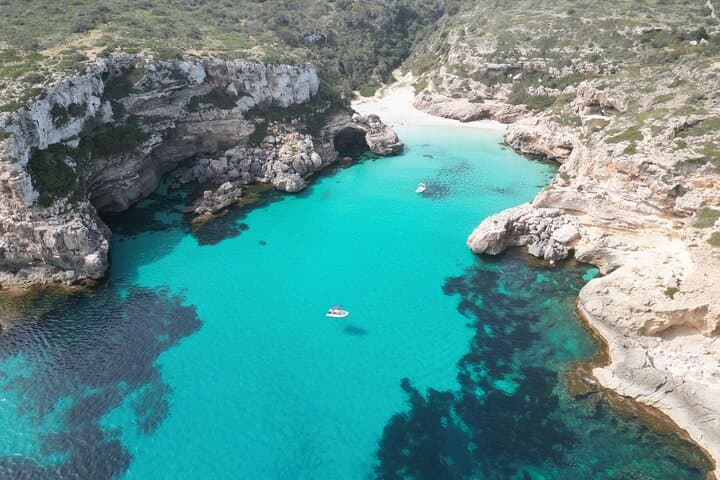
Expect three short beach stops for swimming and snorkeling, and a longer 45-minute stop at Cala Marmols — a beach with limited land access that rewards visitors with clearer water and fewer people. Guides typically provide masks and snorkels; bring reef-safe sunscreen, a towel and a sense of calm as currents can shift in the channel.
Practical: the trip is about 2.5 hours total, departing from the car park at the end of Cala Figuera’s dead-end road. Wear water shoes for rocky entries, secure valuables in a dry bag, and time your visit for morning light to avoid peak winds. Keep a hand on the rail when moving and follow crew briefings for safe snorkel exits and re-boarding.
easy.
2–3 hours.
Suitable for most fitness levels; you should be able to swim and climb a short ladder to re-board the boat.
Meet at the boathouse at the end of the dead-end road at the entrance to Cala Figuera; there is a nearby open field for parking.
Yes—snorkeling masks and basic snorkel equipment are supplied as part of the tour.
The tour is family-friendly but requires basic swimming ability to participate in water stops; non-swimmers can remain on the boat during stops.
Infants are allowed but must sit on an adult’s lap; check age and booking requirements when you reserve.
Cala Figuera developed as a working fishing port; local boathouses and stone jetties date to traditional artisanal fishing practices that continue today.
These coves are sensitive—avoid anchoring on seagrass meadows, use biodegradable products and follow crew guidance to minimize impact.
Ocean Charter Mallorca operates guided outdoor trips and adventures with an emphasis on safety, stewardship, and memorable experiences.
The engine purrs and the harbor of Cala Figuera slips away like a painted edge: white fishermen’s houses clinging to the water, slender dinghies bobbing, and salt air that carries the day’s light. Within minutes the coastline opens—Es Pontàs rises like a carved gateway, its stone arch daring you to peer through to the open sea. Small coves appear and vanish as the boat threads cliffs, each one offering pockets of turquoise and rock shelves warmed by the sun.
The engine purrs and the harbor of Cala Figuera slips away like a painted edge: white fishermen’s houses clinging to the water, slender dinghies bobbing, and salt air that carries the day’s light. Within minutes the coastline opens—Es Pontàs rises like a carved gateway, its stone arch daring you to peer through to the open sea. Small coves appear and vanish as the boat threads cliffs, each one offering pockets of turquoise and rock shelves warmed by the sun.
This stretch of Mallorca’s southeast combines Miocene limestone cliffs with harder, reddish sandstone outcrops; wave action over millennia sculpted arches, caves and the sheltered basins that make Caló des Moro and Cala Marmols so striking. The fishing hamlet culture here is still visible in S’Almunia’s boathouses and in local anchoring practices that favor small, respectful visits over mass tourism.
Expect three short beach stops for swimming and snorkeling, and a longer 45-minute stop at Cala Marmols — a beach with limited land access that rewards visitors with clearer water and fewer people. Guides typically provide masks and snorkels; bring reef-safe sunscreen, a towel and a sense of calm as currents can shift in the channel.
Practical: the trip is about 2.5 hours total, departing from the car park at the end of Cala Figuera’s dead-end road. Wear water shoes for rocky entries, secure valuables in a dry bag, and time your visit for morning light to avoid peak winds. Keep a hand on the rail when moving and follow crew briefings for safe snorkel exits and re-boarding.