THE ADVENTURE COLLECTIVE® · Independent discovery and booking for outdoor travel

Step aboard the strongest wooden ship ever built and trace Norway’s polar expeditions from Fram’s prow to Gjøa’s deck—an immersive museum experience that connects maritime engineering with Arctic history.
Step aboard the strongest wooden ship ever built and trace Norway’s polar expeditions from Fram’s prow to Gjøa’s deck—an immersive museum experience that connects maritime engineering with Arctic history.
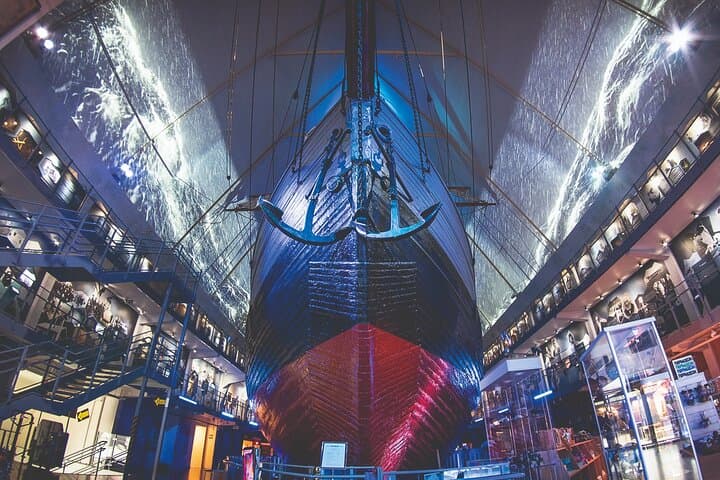
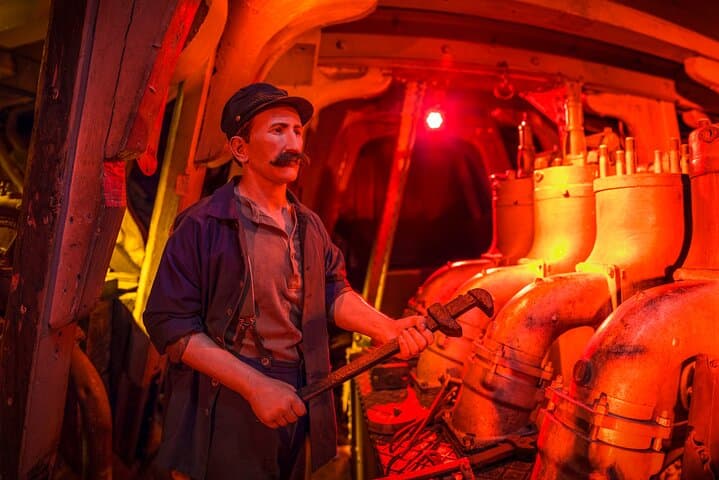
A chill from the Oslofjord meets visitors before they step onto Fram’s deck—salted air and the low creak of wood underfoot that once rode the polar pack ice. Inside the low, curved hull the light narrows and attention focuses on engineering built to resist crushing ice; rooms that were once cramped expedition quarters now hold artifacts and the memory of long voyages.
Verified experiences and guided adventures in the surrounding area.
Operated by Frammuseet · Oslo, Oslo
A chill from the Oslofjord meets visitors before they step onto Fram’s deck—salted air and the low creak of wood underfoot that once rode the polar pack ice. Inside the low, curved hull the light narrows and attention focuses on engineering built to resist crushing ice; rooms that were once cramped expedition quarters now hold artifacts and the memory of long voyages.
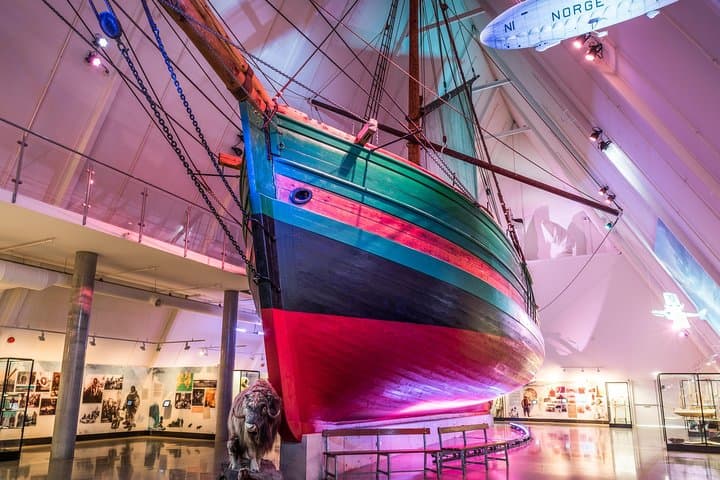
The Fram Museum tells the story of Norway’s polar age: Nansen’s and Amundsen’s Fram expeditions, the Gjøa’s pioneering transit of the Northwest Passage and later airship and aircraft projects tied to Arctic access. Geology and climate meet here—exhibits discuss sea ice mechanics and the modern issues of ice melt and resource access that shape the High North.
Visitors can walk the ship’s decks, peer into cabins, and visit the connected Gjøa building via an underground tunnel that shifts the mood from timber to museum galleries. A 116-seat cinema shows a short polar introduction and the N25 Flight 4D cinema adds a theatrical overview of polar flight.
Practical notes: allow 60–180 minutes depending on curiosity level; tickets are mobile-friendly and refundable up to 24 hours. The museum is largely accessible with lifts, though lower deck access is limited for wheelchairs. Combine the visit with other Bygdøy museums or a summer ferry run for a fuller day. Bring a light layer—the museum can be cool—and leave time to read the expedition logs; they’re where technical detail and human grit come together.
easy.
1–3 hours.
Suitable for all fitness levels; involves standing and some stairs for fuller access
Most visitors spend 60–120 minutes; allocate up to three hours if you intend to watch films and explore both buildings.
Yes—both buildings have lifts and some accessible routes, but lower decks of the ships are not fully accessible; staff can advise alternatives.
Combination tickets with Kon-Tiki or the Norwegian Maritime Museum must be purchased on site at the museums, not online.
Photography for personal use is generally permitted, but check signage in specific exhibit areas and avoid flash on sensitive displays.
Fram was specifically designed to withstand pack ice and carried explorers like Fridtjof Nansen and Roald Amundsen; Gjøa later proved small, maneuverable ships could crack the Northwest Passage.
Exhibits address modern Arctic issues—melting ice, species pressure and resource debate—and the museum encourages low-impact visitation to preserve local shorelines.
Frammuseet operates guided outdoor trips and adventures with an emphasis on safety, stewardship, and memorable experiences.

A chill from the Oslofjord meets visitors before they step onto Fram’s deck—salted air and the low creak of wood underfoot that once rode the polar pack ice. Inside the low, curved hull the light narrows and attention focuses on engineering built to resist crushing ice; rooms that were once cramped expedition quarters now hold artifacts and the memory of long voyages.
A chill from the Oslofjord meets visitors before they step onto Fram’s deck—salted air and the low creak of wood underfoot that once rode the polar pack ice. Inside the low, curved hull the light narrows and attention focuses on engineering built to resist crushing ice; rooms that were once cramped expedition quarters now hold artifacts and the memory of long voyages.
The Fram Museum tells the story of Norway’s polar age: Nansen’s and Amundsen’s Fram expeditions, the Gjøa’s pioneering transit of the Northwest Passage and later airship and aircraft projects tied to Arctic access. Geology and climate meet here—exhibits discuss sea ice mechanics and the modern issues of ice melt and resource access that shape the High North.
Visitors can walk the ship’s decks, peer into cabins, and visit the connected Gjøa building via an underground tunnel that shifts the mood from timber to museum galleries. A 116-seat cinema shows a short polar introduction and the N25 Flight 4D cinema adds a theatrical overview of polar flight.
Practical notes: allow 60–180 minutes depending on curiosity level; tickets are mobile-friendly and refundable up to 24 hours. The museum is largely accessible with lifts, though lower deck access is limited for wheelchairs. Combine the visit with other Bygdøy museums or a summer ferry run for a fuller day. Bring a light layer—the museum can be cool—and leave time to read the expedition logs; they’re where technical detail and human grit come together.