THE ADVENTURE COLLECTIVE® · Independent discovery and booking for outdoor travel

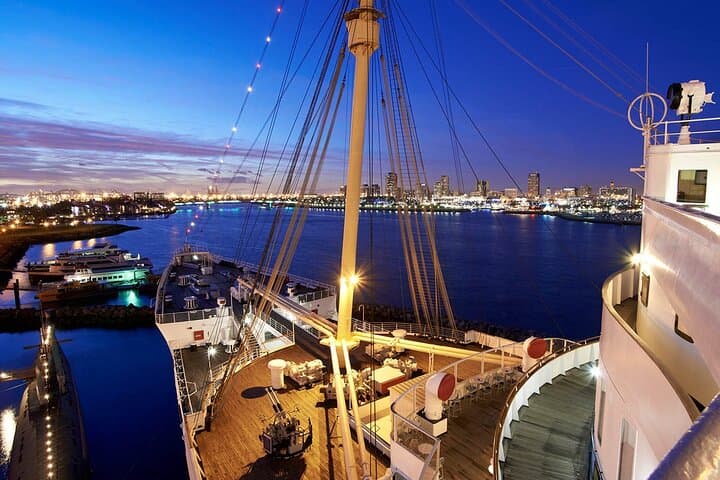
Explore the Queen Mary at your own pace: wander grand salons, engine exhibits and open decks that frame the Long Beach skyline. This self-guided admission gives a hands-on look at maritime history, design, and wartime service—plus practical tips for planning your visit.
Explore the Queen Mary at your own pace: wander grand salons, engine exhibits and open decks that frame the Long Beach skyline. This self-guided admission gives a hands-on look at maritime history, design, and wartime service—plus practical tips for planning your visit.
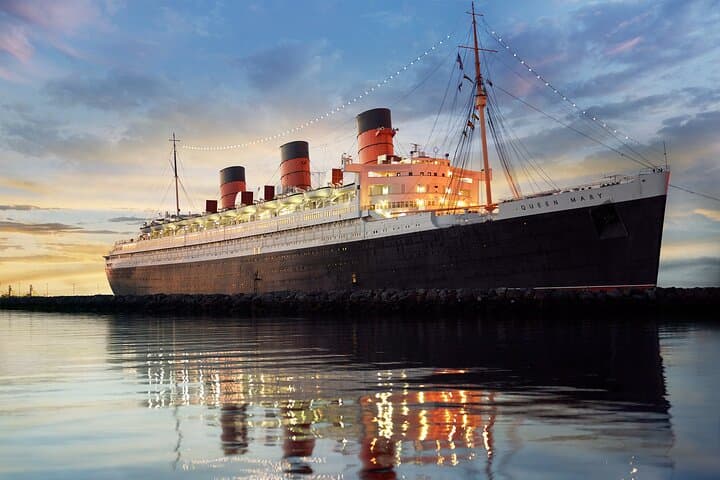
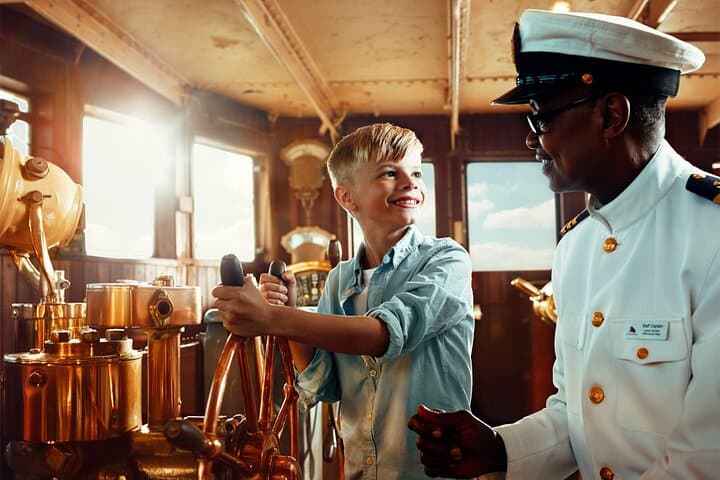
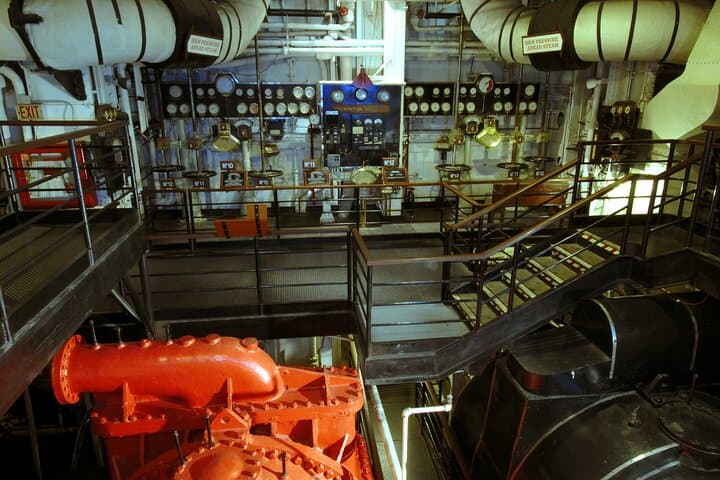
Step onto a metal spine that once carried Hollywood stars and wartime convoys. The Queen Mary sits broad and quiet in Long Beach Harbor, her steel decks catching Pacific light while harbor breezes tug at your jacket. In the self-guided admission, you move at your own tempo—through first-class salons, engine-room exhibits and open decks where the skyline and shipping channels meet.
Verified experiences and guided adventures in the surrounding area.
Operated by The Queen Mary Tours & Exhibits · Long Beach, California
Step onto a metal spine that once carried Hollywood stars and wartime convoys. The Queen Mary sits broad and quiet in Long Beach Harbor, her steel decks catching Pacific light while harbor breezes tug at your jacket. In the self-guided admission, you move at your own tempo—through first-class salons, engine-room exhibits and open decks where the skyline and shipping channels meet.
Built in the 1930s at the height of transatlantic luxury, the Queen Mary doubled as a troopship in World War II and later anchored itself in Southern California as a floating hotel and museum. The ship’s Art Deco interiors and preserved cabins reveal design and social history: class-separated dining rooms, a grand salon for dancing, and narrow passageways that hint at maritime engineering. Geologically, the ship rests beside longshore currents that shape the Port of Long Beach; tides and wind sculpt the visual frame around her massive hull.
Local culture leans into film lore and ghost stories—guided ghost tours run separately—but the general admission spotlights artifacts, naval hardware and interpretive displays that detail seafaring life.
Practical guidance: allow two to four hours to explore thoroughly, longer if you linger in exhibits. Wear flat, closed-toe shoes for metal stairs and uneven grates; bring a light layer for windy decks. Photography is welcome, and audio or printed maps help orient you. Public transit and paid parking are nearby, and the ship is wheelchair accessible with some limitations in historic areas. Whether you’re here for maritime history or skyline views, the Queen Mary offers a paced, tactile dive into 20th-century ocean travel.
easy.
2–8 hours.
Suitable for most fitness levels; expect stairs and standing during exploration
Plan 2–4 hours for general admission to cover main decks and exhibits; extend to 6–8 hours if you add specialty tours or dining.
The ship offers wheelchair access to many public areas and exhibits, but some historic cabins and narrow passageways have limited accessibility—contact the venue for specifics.
There are on-site dining options and cafes; outside food may be restricted in exhibit spaces—check current policies before visiting.
No—ghost and specialty tours are separate experiences with their own tickets; general admission focuses on museums and exhibits.
Launched in 1934, the Queen Mary served as a luxury liner before conversion to a WWII troopship; she retired to Long Beach in 1967 and now functions as a museum and hotel.
As a museum ship, conservation focuses on corrosion control, historically accurate restoration, and visitor management to limit wear on original materials.
The Queen Mary Tours & Exhibits operates guided outdoor trips and adventures with an emphasis on safety, stewardship, and memorable experiences.
Step onto a metal spine that once carried Hollywood stars and wartime convoys. The Queen Mary sits broad and quiet in Long Beach Harbor, her steel decks catching Pacific light while harbor breezes tug at your jacket. In the self-guided admission, you move at your own tempo—through first-class salons, engine-room exhibits and open decks where the skyline and shipping channels meet.
Step onto a metal spine that once carried Hollywood stars and wartime convoys. The Queen Mary sits broad and quiet in Long Beach Harbor, her steel decks catching Pacific light while harbor breezes tug at your jacket. In the self-guided admission, you move at your own tempo—through first-class salons, engine-room exhibits and open decks where the skyline and shipping channels meet.
Built in the 1930s at the height of transatlantic luxury, the Queen Mary doubled as a troopship in World War II and later anchored itself in Southern California as a floating hotel and museum. The ship’s Art Deco interiors and preserved cabins reveal design and social history: class-separated dining rooms, a grand salon for dancing, and narrow passageways that hint at maritime engineering. Geologically, the ship rests beside longshore currents that shape the Port of Long Beach; tides and wind sculpt the visual frame around her massive hull.
Local culture leans into film lore and ghost stories—guided ghost tours run separately—but the general admission spotlights artifacts, naval hardware and interpretive displays that detail seafaring life.
Practical guidance: allow two to four hours to explore thoroughly, longer if you linger in exhibits. Wear flat, closed-toe shoes for metal stairs and uneven grates; bring a light layer for windy decks. Photography is welcome, and audio or printed maps help orient you. Public transit and paid parking are nearby, and the ship is wheelchair accessible with some limitations in historic areas. Whether you’re here for maritime history or skyline views, the Queen Mary offers a paced, tactile dive into 20th-century ocean travel.