THE ADVENTURE COLLECTIVE® · Independent discovery and booking for outdoor travel

Join a certified guide for a night on Boa Vista’s wind-swept beaches to witness loggerhead turtles nesting. This three-hour, conservation-focused tour combines off-road adventure, education, and regulated up-close observation.
Join a certified guide for a night on Boa Vista’s wind-swept beaches to witness loggerhead turtles nesting. This three-hour, conservation-focused tour combines off-road adventure, education, and regulated up-close observation.
The beach is almost black save for a dim red lamp and the dull shiver of breaking surf. You arrive after an hour’s off‑road drive across wind‑sculpted dunes to a small researchers’ camp, where the guide speaks in low, steady tones and hands out instructions that shape the rest of the night.
Verified experiences and guided adventures in the surrounding area.
Operated by Bu Country Tours · Sal Rei, Boa Vista
The beach is almost black save for a dim red lamp and the dull shiver of breaking surf. You arrive after an hour’s off‑road drive across wind‑sculpted dunes to a small researchers’ camp, where the guide speaks in low, steady tones and hands out instructions that shape the rest of the night.
Boa Vista’s beaches are young in geological terms—coarse volcanic sand piled by Atlantic winds and currents that also bring the prey loggerhead turtles hunt. The islands’ salt flats and fishing villages, especially around Sal Rei, shaped local life for centuries; nesting protection here is a more recent chapter, driven by NGOs and community programs to reverse decades of egg harvesting.
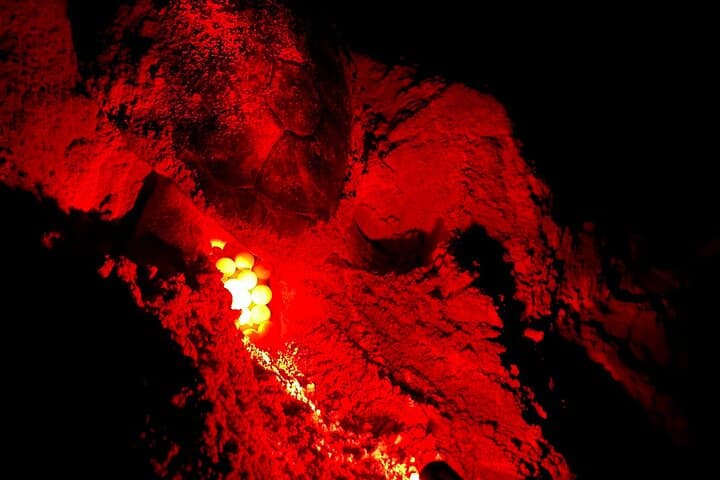
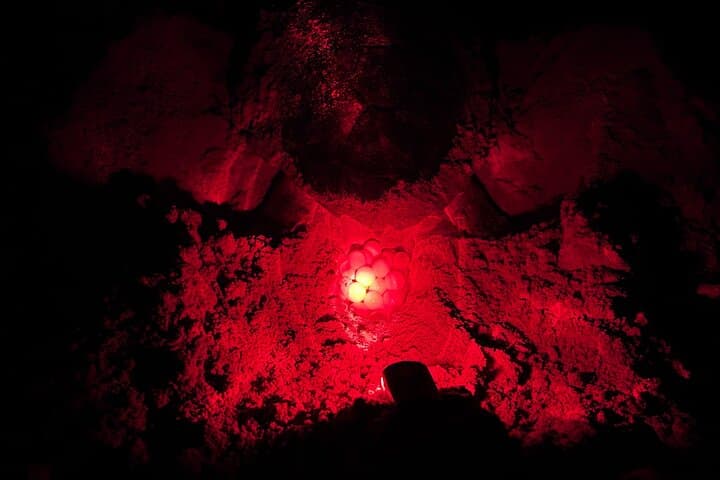
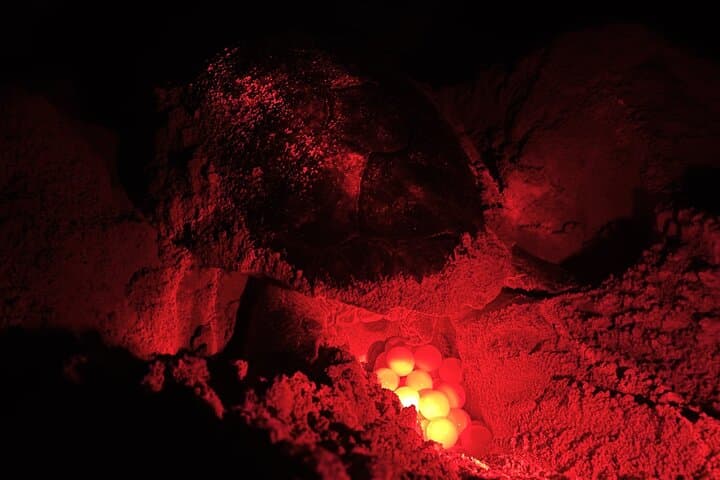
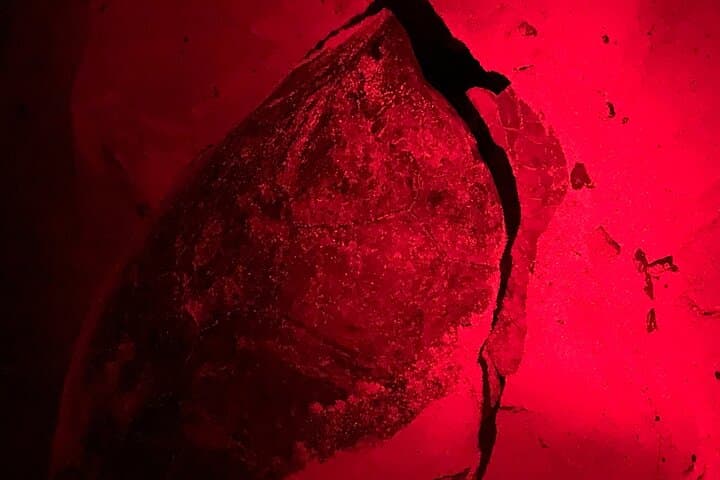
Under the guide’s supervision you watch a mature female labor at the water’s edge, flap aside sand with powerful flippers, and excavate a clutch of eggs into a warm pit. The moment is quiet, charged: the turtle is ancient and purposeful, the sea seems to dare you to look away. You’ll learn to read tracks in the sand, respect nesting zones, and why red light and silence matter.
Practically: tours run at night during nesting season, typically early summer through early fall, last about three hours including transport, and include pickup and dropoff. Wear closed-toe shoes, bring a refillable water bottle and a layered jacket for cool nights. Leave cameras in your bag unless the guide says otherwise; conservation rules are strict and enforced for a reason.
This is an intimate wildlife encounter—low impact, education-first, and profoundly grounding for anyone who wants to see how life persists on these Atlantic shores.
easy.
3 hours.
Suitable for most fitness levels; expect short walks on uneven sand at night and brief standing periods.
Loggerhead nesting typically runs from late spring into early fall, with peak activity in summer months—specific dates vary each year.
Photography is often restricted; white flash is prohibited and any photos must be taken only when the guide says it’s safe using red light or from a distance.
The tour is described as easy and family-friendly, but it involves walking on uneven sand at night; travelers with significant mobility limitations should contact the operator beforehand.
Proximity is controlled by guides and permits—expect to stay several meters away unless instructed otherwise for conservation or research reasons.
Sal Rei grew around a 19th-century salt trade and fishing economy; modern conservation efforts emerged in the late 20th century to protect nesting beaches.
Tours operate under strict guidelines to minimize disturbance—follow light, distance, and waste rules to support ongoing protection and local research programs.
Bu Country Tours operates guided outdoor trips and adventures with an emphasis on safety, stewardship, and memorable experiences.
The beach is almost black save for a dim red lamp and the dull shiver of breaking surf. You arrive after an hour’s off‑road drive across wind‑sculpted dunes to a small researchers’ camp, where the guide speaks in low, steady tones and hands out instructions that shape the rest of the night.
The beach is almost black save for a dim red lamp and the dull shiver of breaking surf. You arrive after an hour’s off‑road drive across wind‑sculpted dunes to a small researchers’ camp, where the guide speaks in low, steady tones and hands out instructions that shape the rest of the night.
Boa Vista’s beaches are young in geological terms—coarse volcanic sand piled by Atlantic winds and currents that also bring the prey loggerhead turtles hunt. The islands’ salt flats and fishing villages, especially around Sal Rei, shaped local life for centuries; nesting protection here is a more recent chapter, driven by NGOs and community programs to reverse decades of egg harvesting.
Under the guide’s supervision you watch a mature female labor at the water’s edge, flap aside sand with powerful flippers, and excavate a clutch of eggs into a warm pit. The moment is quiet, charged: the turtle is ancient and purposeful, the sea seems to dare you to look away. You’ll learn to read tracks in the sand, respect nesting zones, and why red light and silence matter.
Practically: tours run at night during nesting season, typically early summer through early fall, last about three hours including transport, and include pickup and dropoff. Wear closed-toe shoes, bring a refillable water bottle and a layered jacket for cool nights. Leave cameras in your bag unless the guide says otherwise; conservation rules are strict and enforced for a reason.
This is an intimate wildlife encounter—low impact, education-first, and profoundly grounding for anyone who wants to see how life persists on these Atlantic shores.