THE ADVENTURE COLLECTIVE® · Independent discovery and booking for outdoor travel

Drive across wind-shaped dunes to the rusting Cabo Santa Maria shipwreck, sample village cuisine in Rabil and learn about marine life at the Local Biodiversity Centre on this compact 5‑hour 4x4 loop around Boa Vista.
Drive across wind-shaped dunes to the rusting Cabo Santa Maria shipwreck, sample village cuisine in Rabil and learn about marine life at the Local Biodiversity Centre on this compact 5‑hour 4x4 loop around Boa Vista.
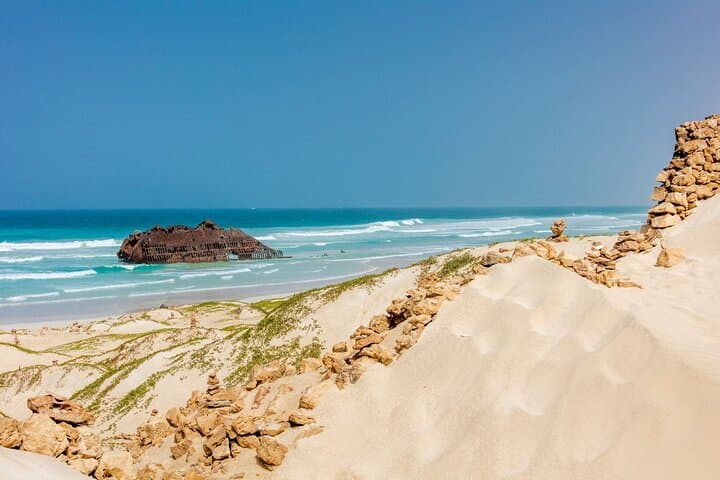
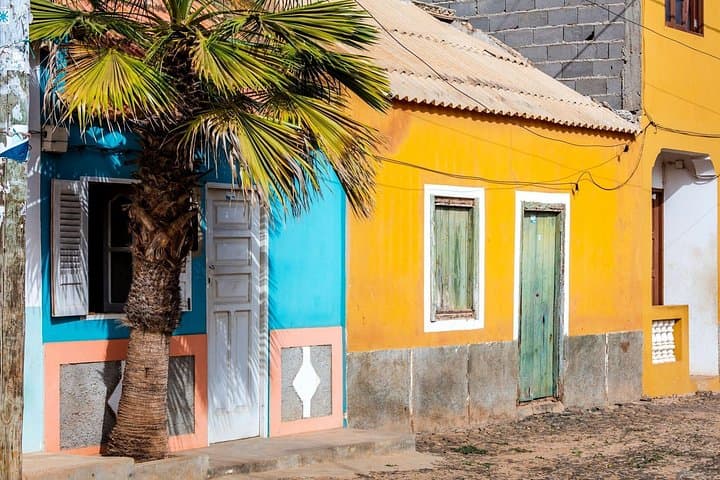
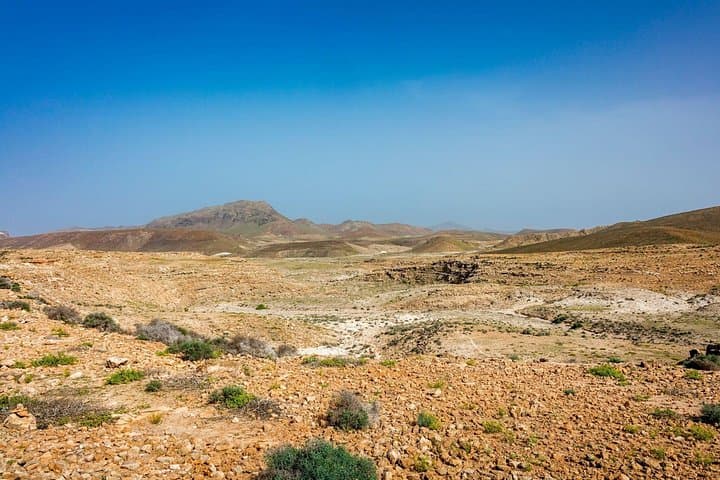
The wind greets you before the island does: a dry, salty push that lifts sand into soft ridges as the 4x4 threads a track toward the coast. From the window the landscape reads like a study in contrast—broad, pale beaches, low volcanic ridges and sudden bright houses clustered in villages. Cameras come up as the rusted hull of the Cabo Santa Maria appears, half-buried on an otherwise empty shore.
Verified experiences and guided adventures in the surrounding area.
Operated by Destination Services Cape Verde · Sal Rei, Boa Vista
The wind greets you before the island does: a dry, salty push that lifts sand into soft ridges as the 4x4 threads a track toward the coast. From the window the landscape reads like a study in contrast—broad, pale beaches, low volcanic ridges and sudden bright houses clustered in villages. Cameras come up as the rusted hull of the Cabo Santa Maria appears, half-buried on an otherwise empty shore.
Boa Vista’s coastline is recent geology in motion—young volcanic rock smoothed by wind and the Atlantic’s patience—and human history is close at hand. The 1968 shipwreck is a local landmark; Rabil and Fundo das Figueiras keep older trades alive, from goat cheese to catchupa stews. The Local Biodiversity Centre frames the island’s modern story: sea turtle conservation, reef ecology and the pressures of seasonal tourism.
Expect a compact 5-hour loop of mainly unpaved roads and sandy tracks with short, flat walks at stops; elevation gains are minimal. Stops include a village tasting in Rabil, the shipwreck at Cabo Santa Maria for photos, a goat farm in Bofareira to watch cheese-making, and a family lunch in Fundo das Figueiras followed by a visit to a women’s soap cooperative and the biodiversity centre.
Practical edge: come sun-ready with closed shoes for walking on coarse sand, carry at least 1–1.5 L of water, and keep small bills for market purchases. The route is suitable for most fitness levels but can be bumpy; if you get motion-sick, pick a front seat and move slowly. This is a day meant for pictures, local stories and quick, tactile encounters with island life.
easy.
5 hours.
Suitable for most fitness levels; involves short, flat walks and vehicle transfers over bumpy tracks
The tour runs about 5 hours and includes transport in a 4x4, a guided itinerary, local tastings, lunch and entrance/visits to listed village sites and the Local Biodiversity Centre.
Short flat walks are required; the tour is generally family-friendly but may be bumpy in the vehicle—infants must sit on laps and anyone with mobility limits should check with the operator before booking.
You’ll be asked to indicate fish, chicken, catchupa, or vegetarian when booking; inform the operator of allergies or special dietary requirements in advance.
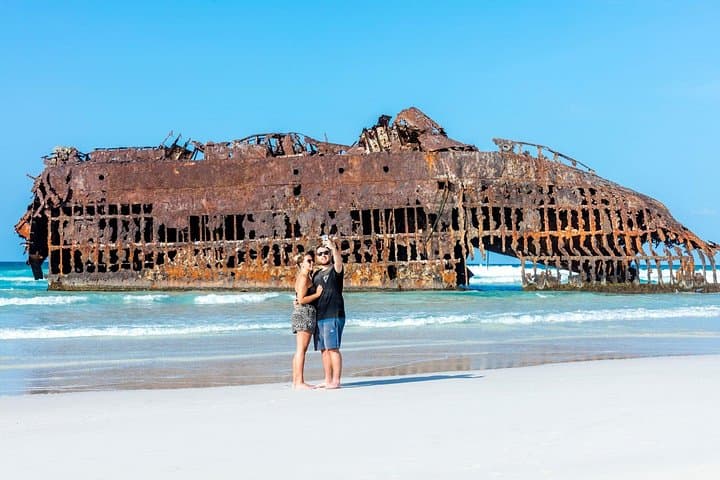
Visitors typically walk along the beach to photograph the wreck; access onto the hull may be unsafe and is discouraged—follow your guide’s instructions for safe viewing distances.
Boa Vista’s economy historically revolved around salt, pastoralism and small-scale agriculture; the Cabo Santa Maria shipwreck (1968) became an involuntary landmark on the island’s exposed shore.
The Local Biodiversity Centre supports turtle monitoring and community education; stay on designated tracks and avoid disturbing nesting areas to limit erosion and wildlife impact.
Destination Services Cape Verde operates guided outdoor trips and adventures with an emphasis on safety, stewardship, and memorable experiences.
The wind greets you before the island does: a dry, salty push that lifts sand into soft ridges as the 4x4 threads a track toward the coast. From the window the landscape reads like a study in contrast—broad, pale beaches, low volcanic ridges and sudden bright houses clustered in villages. Cameras come up as the rusted hull of the Cabo Santa Maria appears, half-buried on an otherwise empty shore.
The wind greets you before the island does: a dry, salty push that lifts sand into soft ridges as the 4x4 threads a track toward the coast. From the window the landscape reads like a study in contrast—broad, pale beaches, low volcanic ridges and sudden bright houses clustered in villages. Cameras come up as the rusted hull of the Cabo Santa Maria appears, half-buried on an otherwise empty shore.
Boa Vista’s coastline is recent geology in motion—young volcanic rock smoothed by wind and the Atlantic’s patience—and human history is close at hand. The 1968 shipwreck is a local landmark; Rabil and Fundo das Figueiras keep older trades alive, from goat cheese to catchupa stews. The Local Biodiversity Centre frames the island’s modern story: sea turtle conservation, reef ecology and the pressures of seasonal tourism.
Expect a compact 5-hour loop of mainly unpaved roads and sandy tracks with short, flat walks at stops; elevation gains are minimal. Stops include a village tasting in Rabil, the shipwreck at Cabo Santa Maria for photos, a goat farm in Bofareira to watch cheese-making, and a family lunch in Fundo das Figueiras followed by a visit to a women’s soap cooperative and the biodiversity centre.
Practical edge: come sun-ready with closed shoes for walking on coarse sand, carry at least 1–1.5 L of water, and keep small bills for market purchases. The route is suitable for most fitness levels but can be bumpy; if you get motion-sick, pick a front seat and move slowly. This is a day meant for pictures, local stories and quick, tactile encounters with island life.