THE ADVENTURE COLLECTIVE® · Independent discovery and booking for outdoor travel

Walk Bo-Kaap’s cobbled lanes while sampling Cape Malay snacks and rooibos in a resident’s garden. This 90-minute tour blends local history, flavors, and close-up views of one of Cape Town’s oldest neighborhoods.
Walk Bo-Kaap’s cobbled lanes while sampling Cape Malay snacks and rooibos in a resident’s garden. This 90-minute tour blends local history, flavors, and close-up views of one of Cape Town’s oldest neighborhoods.
You start on Rose Street beneath a fence of sun-baked facades, the houses bright against Table Mountain’s broad shoulder. The guide leads a compact loop through cobbled lanes where spices cling to the air and conversation spills from kitchens; the rhythm is slow, pedestrian, and intimate.
Verified experiences and guided adventures in the surrounding area.
Operated by Closer to Africa Tours · Cape Town, Western Cape
You start on Rose Street beneath a fence of sun-baked facades, the houses bright against Table Mountain’s broad shoulder. The guide leads a compact loop through cobbled lanes where spices cling to the air and conversation spills from kitchens; the rhythm is slow, pedestrian, and intimate.
This is a 370-year-old neighborhood shaped by maritime trade and the forced migration of enslaved peoples from Southeast Asia and the Indian Ocean rim. The area’s signature Cape Malay cuisine—sweet, spiced, rooibos-sweetened—reflects that layered history. Geologically, Bo-Kaap sits on the lower slopes of the Cape Fold Belt; the streets slope gently toward the city bowl rather than climb, so expect short inclines and uneven cobbles rather than steep ascents.
Culturally the tour focuses on domestic life and flavor: a small garden tea hosted by a resident, three Cape Malay snacks (samosa, dhaaltjie, koesister) paired with rooibos, then a stroll back along Chiappinni Street to the deli. Small groups (max 10) keep the experience conversational, and the 90-minute rhythm makes it an easy half-day add-on to a Cape Town itinerary.
Practical guidance: wear sturdy, flat shoes for cobbles and bring sun protection—morning or late-afternoon departures dodge the strongest sun. Carry a reusable water bottle; many stops are residential gardens with limited seating. Be prepared to remove shoes in private homes and to ask before photographing residents. Public transport and short taxi rides connect easily to central Cape Town, so this walk is logistically simple but culturally rich.
easy.
1.5 hours.
Suitable for most fitness levels; participants should be able to walk on uneven cobbles for up to 90 minutes.
The tour meets on Rose Street at a popular local eatery in Bo-Kaap; exact meeting directions and a contact number are provided at booking.
Some items can be adjusted if notified in advance—contact the operator before your tour to confirm alternatives for allergies or vegetarian needs.
The tour is family-friendly but cobbled streets and narrow lanes make strollers awkward; infants are required to sit on an adult’s lap during tastings.
Full refunds are available if you cancel at least 24 hours before departure; tours may be canceled for bad weather or insufficient travelers.
Bo-Kaap developed in the 17th–18th centuries as a home for enslaved and freed people from the Malay Archipelago and East Africa, shaping its culinary and cultural identity.
The neighborhood manages visitor impact through small-group tours and respectful home-based tastings; stick to marked paths and minimize noise to preserve daily life.
Closer to Africa Tours operates guided outdoor trips and adventures with an emphasis on safety, stewardship, and memorable experiences.

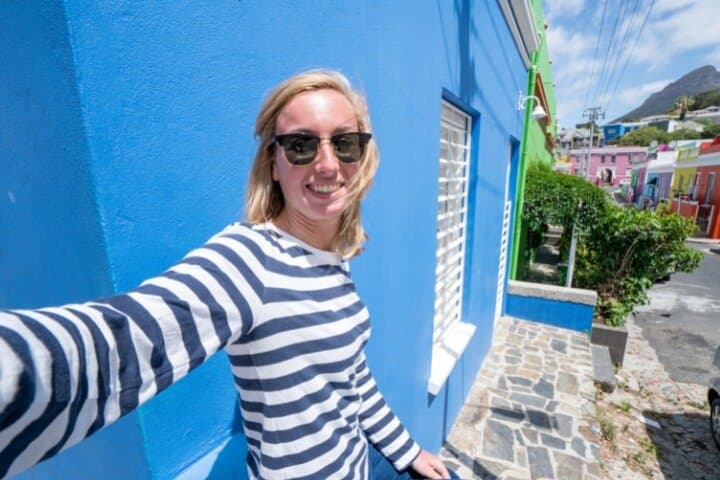


You start on Rose Street beneath a fence of sun-baked facades, the houses bright against Table Mountain’s broad shoulder. The guide leads a compact loop through cobbled lanes where spices cling to the air and conversation spills from kitchens; the rhythm is slow, pedestrian, and intimate.
You start on Rose Street beneath a fence of sun-baked facades, the houses bright against Table Mountain’s broad shoulder. The guide leads a compact loop through cobbled lanes where spices cling to the air and conversation spills from kitchens; the rhythm is slow, pedestrian, and intimate.
This is a 370-year-old neighborhood shaped by maritime trade and the forced migration of enslaved peoples from Southeast Asia and the Indian Ocean rim. The area’s signature Cape Malay cuisine—sweet, spiced, rooibos-sweetened—reflects that layered history. Geologically, Bo-Kaap sits on the lower slopes of the Cape Fold Belt; the streets slope gently toward the city bowl rather than climb, so expect short inclines and uneven cobbles rather than steep ascents.
Culturally the tour focuses on domestic life and flavor: a small garden tea hosted by a resident, three Cape Malay snacks (samosa, dhaaltjie, koesister) paired with rooibos, then a stroll back along Chiappinni Street to the deli. Small groups (max 10) keep the experience conversational, and the 90-minute rhythm makes it an easy half-day add-on to a Cape Town itinerary.
Practical guidance: wear sturdy, flat shoes for cobbles and bring sun protection—morning or late-afternoon departures dodge the strongest sun. Carry a reusable water bottle; many stops are residential gardens with limited seating. Be prepared to remove shoes in private homes and to ask before photographing residents. Public transport and short taxi rides connect easily to central Cape Town, so this walk is logistically simple but culturally rich.