THE ADVENTURE COLLECTIVE® · Independent discovery and booking for outdoor travel

Walk from Bo-Kaap’s painted houses through Long Street and Greenmarket Square on a two-hour guided tour that combines Cape Malay culture, colonial history and District Six’s story of resilience. Expect urban walking on paved streets, lively markets and pointed local context.
Walk from Bo-Kaap’s painted houses through Long Street and Greenmarket Square on a two-hour guided tour that combines Cape Malay culture, colonial history and District Six’s story of resilience. Expect urban walking on paved streets, lively markets and pointed local context.
You step off the van and the city opens in color: sugar-hued façades on Church Street, the sharp outline of Table Mountain watching from the west, and the smell of spices and frying samosas drifting from corner cafes.
Verified experiences and guided adventures in the surrounding area.
Operated by One Day Africa · Cape Town, Western Cape
You step off the van and the city opens in color: sugar-hued façades on Church Street, the sharp outline of Table Mountain watching from the west, and the smell of spices and frying samosas drifting from corner cafes.
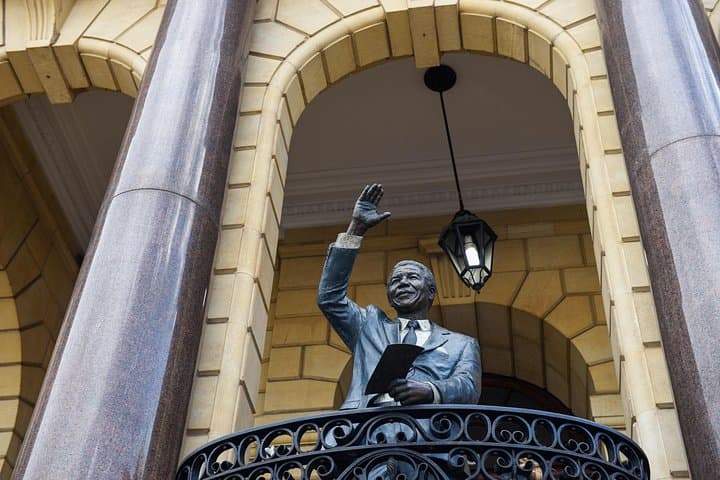
The two-hour walking tour begins at Bo-Kaap Deli and threads from the brightly painted Cape Malay houses through Long Street’s Victorian storefronts to the market pulse of Greenmarket Square. Along the route guides stitch local stories into tangible landmarks — the Slave Lodge’s reminders of colonial trade, City Hall’s arches where political speeches shaped modern South Africa, and the solemn memory of forced removals in District Six.
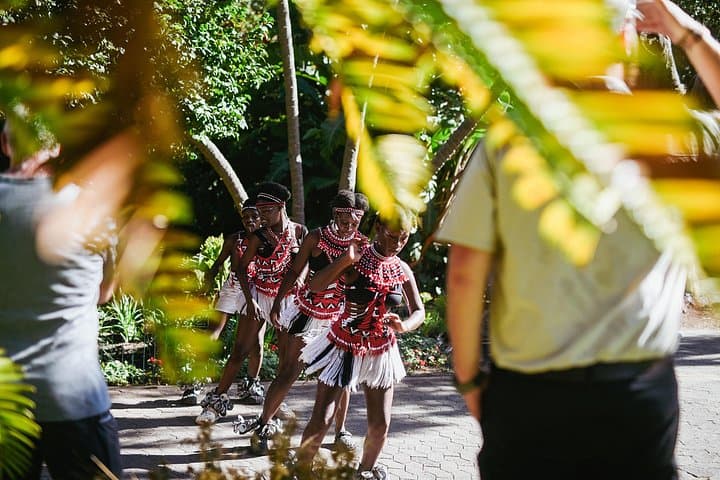
Geologically, Cape Town sits on resilient Table Mountain sandstone and an intersection of oceanic climates; the city’s layout reflects that terrain—compact, walkable, and frequently influenced by wind off the sea. Culturally you’ll hear about Cape Malay cuisine, the Muslim community’s influence, and the resilience of communities displaced during apartheid.
Practically: expect mostly paved streets with short hills and steps, a relaxed walking pace, and small-group commentary. Bring sun protection and a refillable water bottle; buses and taxis are nearby if you need to shorten the route. The tour is suitable for most fitness levels and is stroller-accessible on the main stretches, though cobbles and curbs can be bumpy.
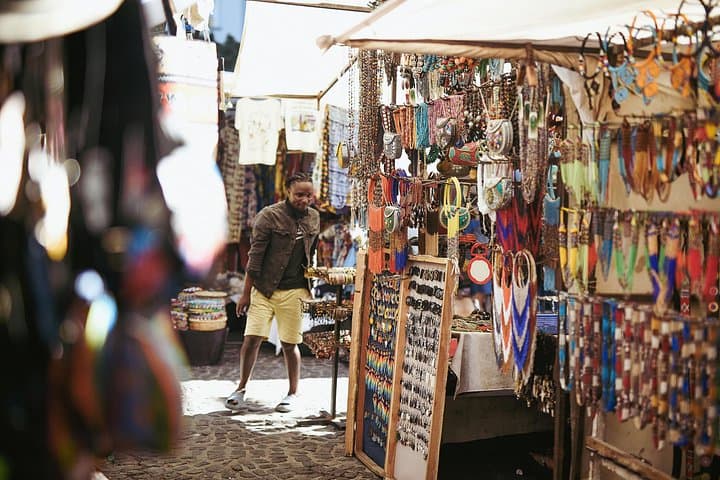
Finish with a stop at a local market stall to support artisans and—if time allows—visit the Mandela exhibit at City Hall to add a personal historical context to what you’ve just walked through.
easy.
2 hours.
Light—suitable for most people who can walk for 90–120 minutes with short pauses
Meet at Bo-Kaap Deli, 97 Church St, Bo-Kaap; guides will show a meeting sign and begin on schedule.
Main stretches are stroller-accessible and paved, but some cobbles and curbs may be challenging for wheelchairs—contact the operator for specific assistance.
About 1.5–2 miles (2.5–3.5 km) at a relaxed pace with several stops; there are short hills and steps.
Tours are typically conducted in English; check with the operator for other language options or private arrangements.
Bo-Kaap reflects the legacy of the Cape Malay community and Islamic heritage, while District Six remains a powerful site of memory after apartheid-era forced removals.
Support local artisans and vendors, avoid single-use plastics, and stick to public paths and memorial sites to minimize impact.
One Day Africa operates guided outdoor trips and adventures with an emphasis on safety, stewardship, and memorable experiences.
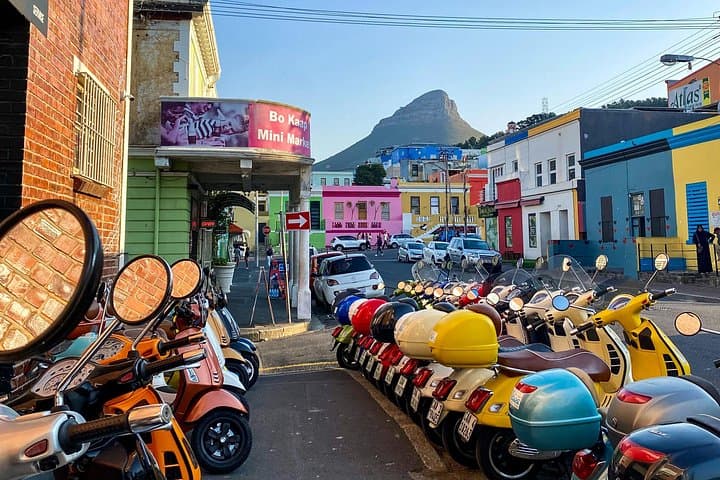
You step off the van and the city opens in color: sugar-hued façades on Church Street, the sharp outline of Table Mountain watching from the west, and the smell of spices and frying samosas drifting from corner cafes.
You step off the van and the city opens in color: sugar-hued façades on Church Street, the sharp outline of Table Mountain watching from the west, and the smell of spices and frying samosas drifting from corner cafes.
The two-hour walking tour begins at Bo-Kaap Deli and threads from the brightly painted Cape Malay houses through Long Street’s Victorian storefronts to the market pulse of Greenmarket Square. Along the route guides stitch local stories into tangible landmarks — the Slave Lodge’s reminders of colonial trade, City Hall’s arches where political speeches shaped modern South Africa, and the solemn memory of forced removals in District Six.
Geologically, Cape Town sits on resilient Table Mountain sandstone and an intersection of oceanic climates; the city’s layout reflects that terrain—compact, walkable, and frequently influenced by wind off the sea. Culturally you’ll hear about Cape Malay cuisine, the Muslim community’s influence, and the resilience of communities displaced during apartheid.
Practically: expect mostly paved streets with short hills and steps, a relaxed walking pace, and small-group commentary. Bring sun protection and a refillable water bottle; buses and taxis are nearby if you need to shorten the route. The tour is suitable for most fitness levels and is stroller-accessible on the main stretches, though cobbles and curbs can be bumpy.
Finish with a stop at a local market stall to support artisans and—if time allows—visit the Mandela exhibit at City Hall to add a personal historical context to what you’ve just walked through.