THE ADVENTURE COLLECTIVE® · Independent discovery and booking for outdoor travel

Head out from Loreto into the protected waters of Loreto Bay to track blue whales on intimate pangas. This five‑hour marine-park safari pairs close viewing with practical guidance on safety, timing and what to expect from the world’s largest animal.
Head out from Loreto into the protected waters of Loreto Bay to track blue whales on intimate pangas. This five‑hour marine-park safari pairs close viewing with practical guidance on safety, timing and what to expect from the world’s largest animal.
The morning air off Loreto tastes of salt and diesel, gulls carving the wake as a low, rolling horizon promises something enormous. Guests board small pangas—six to eight people at a time—for a close, low-profile approach through Loreto Bay National Marine Park. The ride is intimate: you feel the boat’s bow lift and drop as guides scan for blow spouts and the telltale dark swells of a blue whale.
Verified experiences and guided adventures in the surrounding area.
Operated by Loreto DMC & Travel · Loreto, Baja California Sur
The morning air off Loreto tastes of salt and diesel, gulls carving the wake as a low, rolling horizon promises something enormous. Guests board small pangas—six to eight people at a time—for a close, low-profile approach through Loreto Bay National Marine Park. The ride is intimate: you feel the boat’s bow lift and drop as guides scan for blow spouts and the telltale dark swells of a blue whale.
Loreto sits on the eastern edge of the Baja California peninsula, the first Spanish colonial capital of the Californias with a 17th‑century mission at its core. Geologically, the bay is shallow and rich—faulted basins and nutrient upwellings concentrate krill, drawing the planet’s largest animal here each winter and spring to court, mate and calve.
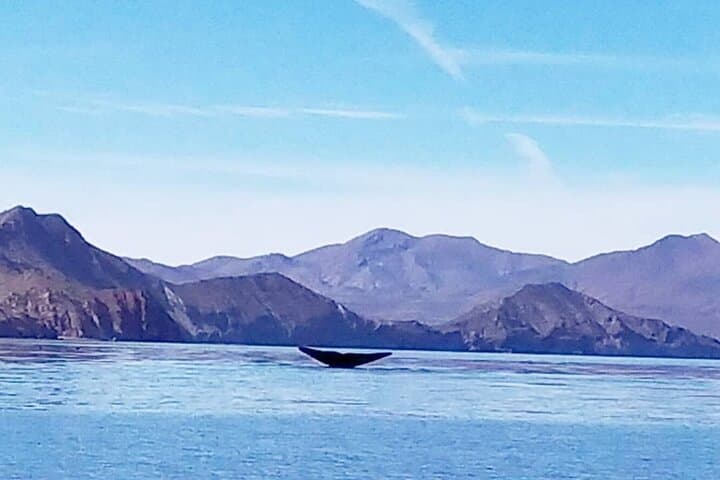
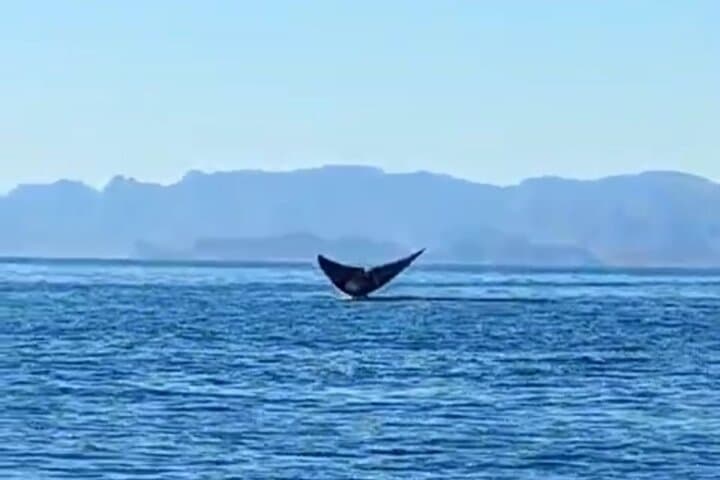
Local culture still orbits the sea: fishermen, park rangers and the small marina community share a pragmatic respect for marine life. Operators typically carry permits and park-entry tickets; briefings cover safe viewing distances and what to expect when a blue whale surfaces — long exhales, slow rolling dives and an enormous tail slap if you’re lucky.
Practical guidance: bring seasickness prevention, layered sun protection and binoculars. Expect a five‑hour outing from Loreto Lighthouse, with light brunch and bottled water provided. Tours are suitable for most fitness levels but are not recommended for pregnant people or those with severe back issues. Weather and minimum-guests policies can cancel trips; check cancellation terms and arrive early for the marina briefing. This is a vivid, low-impact wildlife encounter best timed to the winter–spring migration window.
easy.
5 hours.
Suitable for most people in average physical condition; requires boarding a small boat and periods of standing or sitting on low benches.
Blue whales are most commonly seen in Loreto Bay from late winter through spring (roughly February to April) when they arrive to mate and give birth.
Operators follow park and safety guidelines to maintain respectful distances; boats provide good photographic and viewing opportunities without approaching or disturbing the animals.
Families are welcome, but infants are required to sit on an adult’s lap and the trip may be lengthy for very young children; operators note it’s not recommended for pregnant travelers or those with spinal injuries.
Typical inclusions are bottled water, a light brunch and park-entry tickets; alcoholic drinks may be available depending on the operator’s offerings.
Loreto was the first Spanish colonial capital in the Californias and grew around the 1697 mission, shaping a maritime culture that persists today.
Loreto Bay is a designated national marine park with guidelines for vessel approach, no‑anchor zones and permits to reduce disturbance to whales and sensitive habitats.
Loreto DMC & Travel operates guided outdoor trips and adventures with an emphasis on safety, stewardship, and memorable experiences.
The morning air off Loreto tastes of salt and diesel, gulls carving the wake as a low, rolling horizon promises something enormous. Guests board small pangas—six to eight people at a time—for a close, low-profile approach through Loreto Bay National Marine Park. The ride is intimate: you feel the boat’s bow lift and drop as guides scan for blow spouts and the telltale dark swells of a blue whale.
The morning air off Loreto tastes of salt and diesel, gulls carving the wake as a low, rolling horizon promises something enormous. Guests board small pangas—six to eight people at a time—for a close, low-profile approach through Loreto Bay National Marine Park. The ride is intimate: you feel the boat’s bow lift and drop as guides scan for blow spouts and the telltale dark swells of a blue whale.
Loreto sits on the eastern edge of the Baja California peninsula, the first Spanish colonial capital of the Californias with a 17th‑century mission at its core. Geologically, the bay is shallow and rich—faulted basins and nutrient upwellings concentrate krill, drawing the planet’s largest animal here each winter and spring to court, mate and calve.
Local culture still orbits the sea: fishermen, park rangers and the small marina community share a pragmatic respect for marine life. Operators typically carry permits and park-entry tickets; briefings cover safe viewing distances and what to expect when a blue whale surfaces — long exhales, slow rolling dives and an enormous tail slap if you’re lucky.
Practical guidance: bring seasickness prevention, layered sun protection and binoculars. Expect a five‑hour outing from Loreto Lighthouse, with light brunch and bottled water provided. Tours are suitable for most fitness levels but are not recommended for pregnant people or those with severe back issues. Weather and minimum-guests policies can cancel trips; check cancellation terms and arrive early for the marina briefing. This is a vivid, low-impact wildlife encounter best timed to the winter–spring migration window.