THE ADVENTURE COLLECTIVE® · Independent discovery and booking for outdoor travel

Board the high-speed train from Casablanca to Tangier, then climb into the Rif for a day in Chefchaouen’s iconic blue medina. This full-day private tour pairs a guided walking tour, local lunch, and optional coastal stops — ideal for travelers who want culture and mountain views in one long day.
Board the high-speed train from Casablanca to Tangier, then climb into the Rif for a day in Chefchaouen’s iconic blue medina. This full-day private tour pairs a guided walking tour, local lunch, and optional coastal stops — ideal for travelers who want culture and mountain views in one long day.
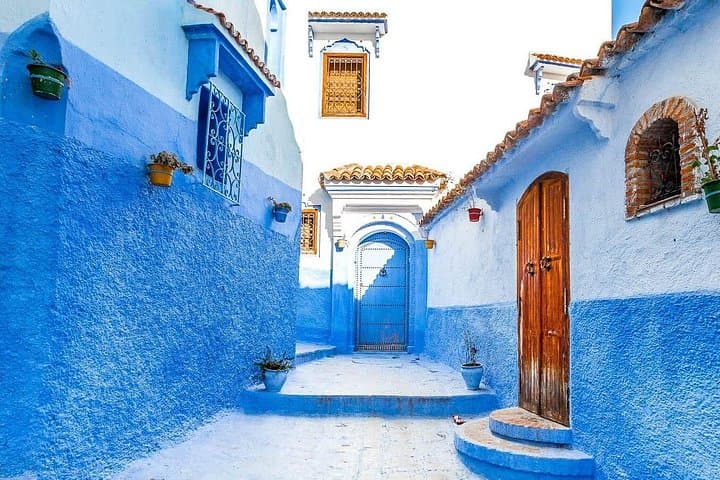
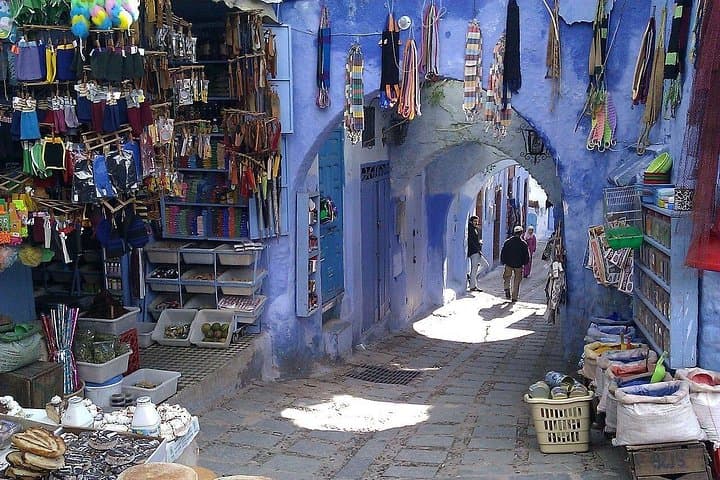
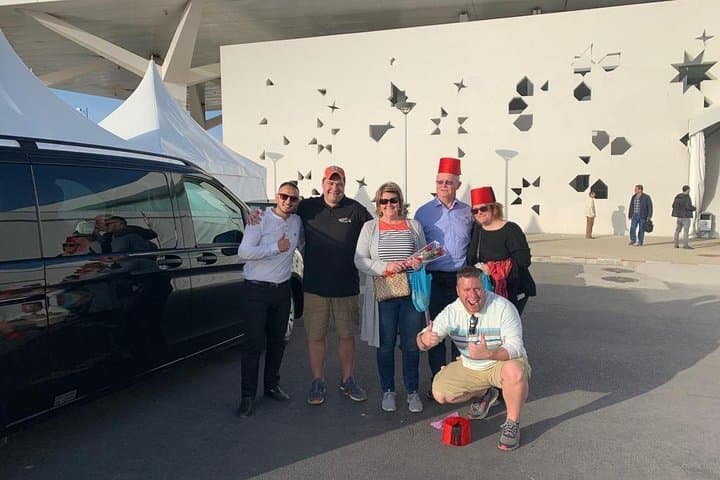
You step off the high-speed train in Tangier and the air changes: salt on the breeze, a driver holding a name sign, and a van that climbs toward the Rif. The road threads past olive groves and scrubby limestone slopes until a patchwork of cobalt facades appears — Chefchaouen’s medina, where narrow lanes funnel sunlight and the sound of water from Ras El Maa dares you to follow it.
Verified experiences and guided adventures in the surrounding area.
Operated by Morocco Spartel Tours · Chefchaouen, Tanger-Tetouan-Al Hoceima
You step off the high-speed train in Tangier and the air changes: salt on the breeze, a driver holding a name sign, and a van that climbs toward the Rif. The road threads past olive groves and scrubby limestone slopes until a patchwork of cobalt facades appears — Chefchaouen’s medina, where narrow lanes funnel sunlight and the sound of water from Ras El Maa dares you to follow it.
Chefchaouen’s blue alleys reflect centuries of exchange: Andalusian refugees in the 15th century, Berber mountain life, and Spanish proximity have shaped its architecture, language, and gastronomy. Geology matters here — the Rif’s folded limestones create the ridges that catch Atlantic moisture, feeding springs and the little waterfalls that punctuate the town.
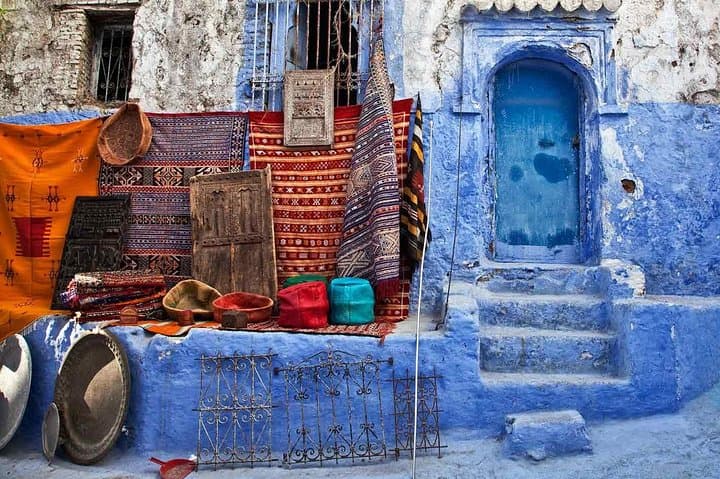
A guided two-hour walking tour covers the highlights: tiny plazas, painted doors, steep stairways, and viewpoints over terraced hills. Lunch at a local restaurant introduces Mediterranean flavors — olive oil, fresh citrus, and grilled fish or tajine. On the return, the route may pass Tetouan’s white-walled kasbah and, if time allows, the dramatic meeting of sea and sky at Cap Spartel and the Hercules Caves.
Practicalities govern a good day: expect a full 9–11 hour itinerary, carry cash for small purchases, and wear grippy shoes for uneven cobbles. Midday sun is strong; pack a hat and refillable water. Trains and transfers run to timetable, so confirm return train times when you book. The trip balances easy walking with long travel windows — it’s a cultural mountain day that rewards simple preparation and an appetite for color, culture, and clear mountain air.
easy.
9–11 hours.
Suitable for most fitness levels; requires standing and walking on uneven surfaces for 1–3 hours during the medina tour.
Expect a 9–11 hour day including train travel, road transfers, a guided walking tour, lunch, and return to Casablanca.
Many alleys are narrow and cobbled with steps—access is limited and challenging for wheelchairs and strollers.
Visits to Cap Spartel and Hercules Caves are conditional and may not be included; check with the operator if you want those stops guaranteed.
Moroccan dirham (MAD) is preferred for small purchases; larger restaurants and some shops may accept cards, but cash is more reliable in the medina.
Chefchaouen grew as a refuge for Andalusian exiles in the 15th century and blends Berber, Arab, and Spanish cultural influences in its architecture and crafts.
Water is scarce in the Rif; using refillable bottles and supporting locally run businesses helps reduce waste and sustain the small mountain economy.
Morocco Spartel Tours operates guided outdoor trips and adventures with an emphasis on safety, stewardship, and memorable experiences.
You step off the high-speed train in Tangier and the air changes: salt on the breeze, a driver holding a name sign, and a van that climbs toward the Rif. The road threads past olive groves and scrubby limestone slopes until a patchwork of cobalt facades appears — Chefchaouen’s medina, where narrow lanes funnel sunlight and the sound of water from Ras El Maa dares you to follow it.
You step off the high-speed train in Tangier and the air changes: salt on the breeze, a driver holding a name sign, and a van that climbs toward the Rif. The road threads past olive groves and scrubby limestone slopes until a patchwork of cobalt facades appears — Chefchaouen’s medina, where narrow lanes funnel sunlight and the sound of water from Ras El Maa dares you to follow it.
Chefchaouen’s blue alleys reflect centuries of exchange: Andalusian refugees in the 15th century, Berber mountain life, and Spanish proximity have shaped its architecture, language, and gastronomy. Geology matters here — the Rif’s folded limestones create the ridges that catch Atlantic moisture, feeding springs and the little waterfalls that punctuate the town.
A guided two-hour walking tour covers the highlights: tiny plazas, painted doors, steep stairways, and viewpoints over terraced hills. Lunch at a local restaurant introduces Mediterranean flavors — olive oil, fresh citrus, and grilled fish or tajine. On the return, the route may pass Tetouan’s white-walled kasbah and, if time allows, the dramatic meeting of sea and sky at Cap Spartel and the Hercules Caves.
Practicalities govern a good day: expect a full 9–11 hour itinerary, carry cash for small purchases, and wear grippy shoes for uneven cobbles. Midday sun is strong; pack a hat and refillable water. Trains and transfers run to timetable, so confirm return train times when you book. The trip balances easy walking with long travel windows — it’s a cultural mountain day that rewards simple preparation and an appetite for color, culture, and clear mountain air.