THE ADVENTURE COLLECTIVE® · Independent discovery and booking for outdoor travel

Unwind in a classic Turkish bath sequence at Blue Stone in Sharm el Sheikh—sauna, Dead Sea salt scrub, steam and a 60-minute full-body oil massage. Practical tips on what to expect, health considerations, and how to prepare for the ritual-driven experience.
Unwind in a classic Turkish bath sequence at Blue Stone in Sharm el Sheikh—sauna, Dead Sea salt scrub, steam and a 60-minute full-body oil massage. Practical tips on what to expect, health considerations, and how to prepare for the ritual-driven experience.
Stepping through the low-lit door at Blue Stone, the steam wraps like a warm hand and the salt-scented air urges the body to unwind. Lights dim, towels are folded, and a therapist guides you through a measured ritual: sauna, deep coconut scrub, Dead Sea salt foot cleanse, face mask and a 60-minute full-body oil massage. The sequence moves at a calm, purposeful pace—an hour of hands-on work bracketed by cleansing heat and a closing steam.
Verified experiences and guided adventures in the surrounding area.
Operated by Momento Studio Sharm El Sheikh · Sharm el-Sheikh, South Sinai
Stepping through the low-lit door at Blue Stone, the steam wraps like a warm hand and the salt-scented air urges the body to unwind. Lights dim, towels are folded, and a therapist guides you through a measured ritual: sauna, deep coconut scrub, Dead Sea salt foot cleanse, face mask and a 60-minute full-body oil massage. The sequence moves at a calm, purposeful pace—an hour of hands-on work bracketed by cleansing heat and a closing steam.
The hammam practice in Egypt draws on Ottoman and North African bathing traditions that married heat, exfoliation and aromatic oils to restore circulation and skin. Sharm el Sheikh sits on the Sinai peninsula where the desert meets the Red Sea; the region’s geology—ancient limestone and rugged wadis—shapes local salt and mineral resources that spas often use in treatments.
Culturally, a hammam is part therapy, part social ritual: treatments are performed by trained attendants, and modesty and respectful conduct are expected. Local insights: ask about oil types (Egyptian-style or neutral) and whether therapists can adapt pressure for tension in the neck and shoulders.
Practical guidance: arrive 10–15 minutes early, hydrate beforehand and avoid heavy meals immediately before hot treatments. If you have cardiovascular issues, high blood pressure, or are pregnant, check with medical staff—steam and saunas can stress the system. Bring swimwear if you prefer modesty during scrubs, and small change for tips. The experience is low-impact but sensory: steam that nudges circulation, salt that lightly scours, hands that slow the day down—efficient, restorative, and accessible for most travelers.
easy.
3–3.5 hours.
Suitable for most fitness levels; minimal physical exertion but requires ability to tolerate heat and brief standing during scrubs.
The total program runs about 195 minutes (approximately 3 hours 15 minutes) including sauna, scrub, massage and steam time.
Yes; the spa typically lets you select from Egyptian, relaxation, or anti-stress massage options—confirm pressure and focus areas when you arrive.
Children under 10 are not permitted for this treatment to maintain a calm environment and safety in heated spaces.
Private transportation is listed as an inclusion—confirm your pickup point at booking and expect mobile or paper ticket options.
Hammam rituals in Egypt draw on Ottoman and North African bathing traditions; modern spas here combine those techniques with local Dead Sea and Red Sea mineral products.
Spas in busy resorts are increasingly mindful of water use and single-use plastics—ask about recycled towels and eco-friendly oils to reduce impact.
Momento Studio Sharm El Sheikh operates guided outdoor trips and adventures with an emphasis on safety, stewardship, and memorable experiences.
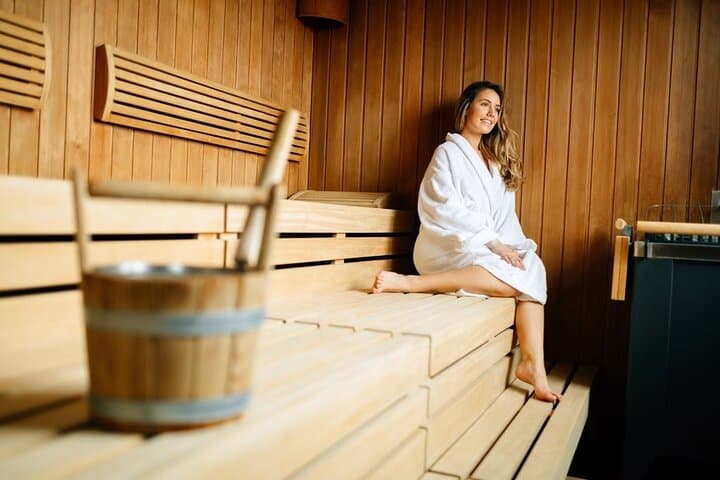
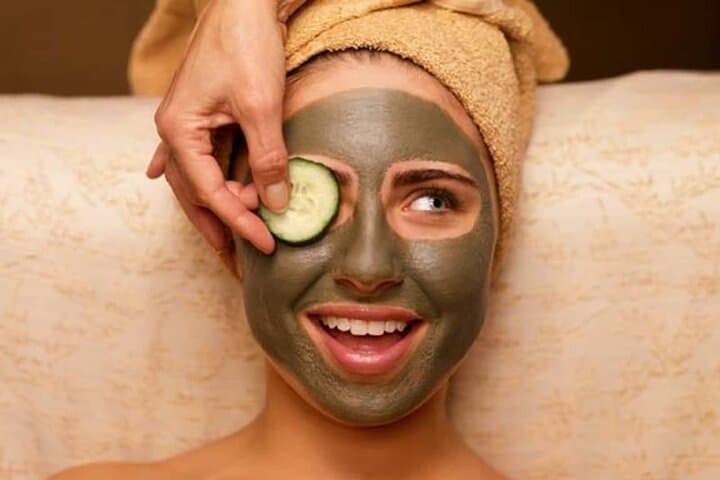
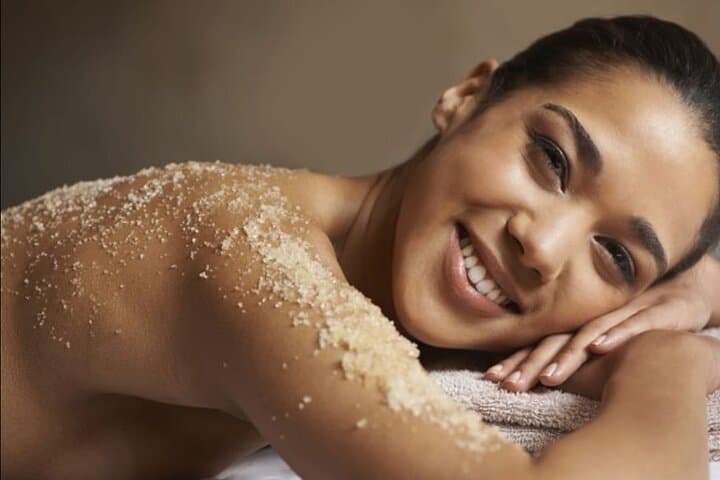
Stepping through the low-lit door at Blue Stone, the steam wraps like a warm hand and the salt-scented air urges the body to unwind. Lights dim, towels are folded, and a therapist guides you through a measured ritual: sauna, deep coconut scrub, Dead Sea salt foot cleanse, face mask and a 60-minute full-body oil massage. The sequence moves at a calm, purposeful pace—an hour of hands-on work bracketed by cleansing heat and a closing steam.
Stepping through the low-lit door at Blue Stone, the steam wraps like a warm hand and the salt-scented air urges the body to unwind. Lights dim, towels are folded, and a therapist guides you through a measured ritual: sauna, deep coconut scrub, Dead Sea salt foot cleanse, face mask and a 60-minute full-body oil massage. The sequence moves at a calm, purposeful pace—an hour of hands-on work bracketed by cleansing heat and a closing steam.
The hammam practice in Egypt draws on Ottoman and North African bathing traditions that married heat, exfoliation and aromatic oils to restore circulation and skin. Sharm el Sheikh sits on the Sinai peninsula where the desert meets the Red Sea; the region’s geology—ancient limestone and rugged wadis—shapes local salt and mineral resources that spas often use in treatments.
Culturally, a hammam is part therapy, part social ritual: treatments are performed by trained attendants, and modesty and respectful conduct are expected. Local insights: ask about oil types (Egyptian-style or neutral) and whether therapists can adapt pressure for tension in the neck and shoulders.
Practical guidance: arrive 10–15 minutes early, hydrate beforehand and avoid heavy meals immediately before hot treatments. If you have cardiovascular issues, high blood pressure, or are pregnant, check with medical staff—steam and saunas can stress the system. Bring swimwear if you prefer modesty during scrubs, and small change for tips. The experience is low-impact but sensory: steam that nudges circulation, salt that lightly scours, hands that slow the day down—efficient, restorative, and accessible for most travelers.