THE ADVENTURE COLLECTIVE® · Independent discovery and booking for outdoor travel

See three faces of water in one day: the crystalline Blue Spring, cathedral-like redwoods near Rotorua, and the raw power of Huka Falls. This private full-day tour links easy boardwalks and short viewpoints with comfortable transport for a concise, high-impact day.
See three faces of water in one day: the crystalline Blue Spring, cathedral-like redwoods near Rotorua, and the raw power of Huka Falls. This private full-day tour links easy boardwalks and short viewpoints with comfortable transport for a concise, high-impact day.
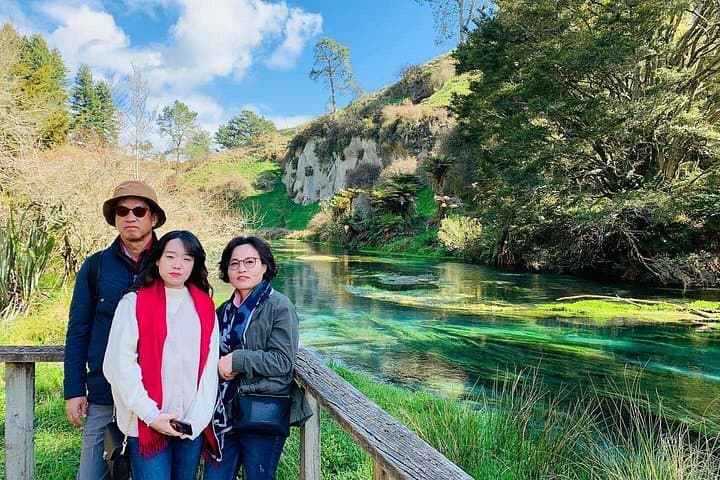
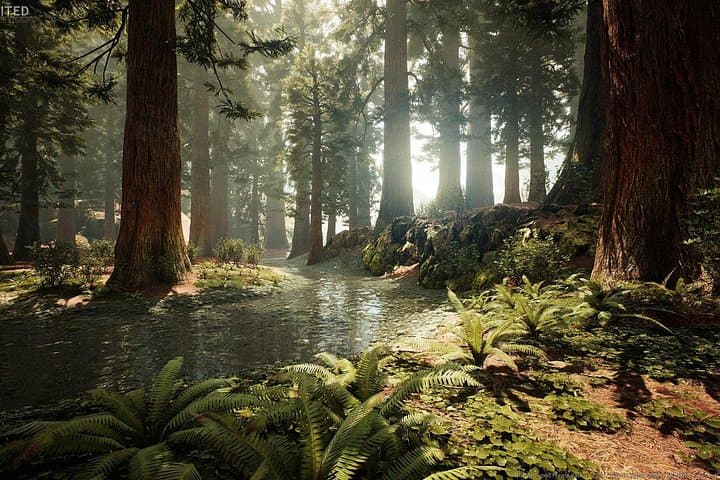
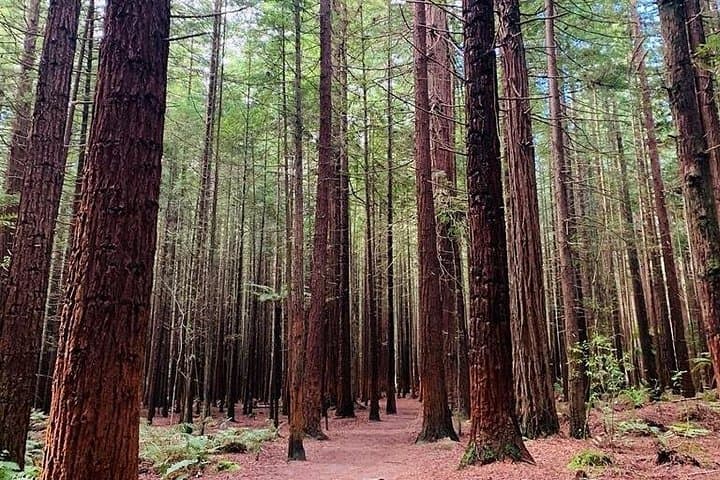
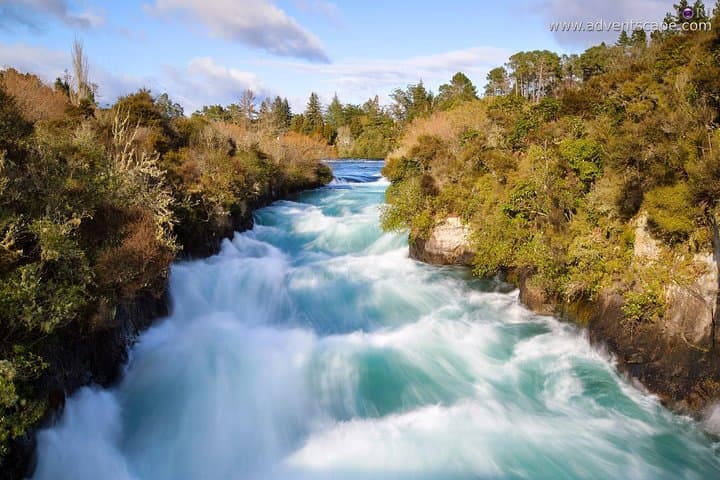
A morning light filters through high beech and manuka as the Blue Spring appears like a pool of liquid glass — water so pure it has long supplied much of the North Island’s bottled supply. The day moves on by road into stands of towering California redwoods in Rotorua, where columns of bark and a soft needle-carpeted floor make the forest feel ancient and cinematic. By late afternoon the river changes temperament: the Waikato hurls itself through a narrow gorge at Huka Falls, water striking and relentless, racing toward Lake Taupo.
Verified experiences and guided adventures in the surrounding area.
Operated by Stevong Travel · Taupo, Waikato
A morning light filters through high beech and manuka as the Blue Spring appears like a pool of liquid glass — water so pure it has long supplied much of the North Island’s bottled supply. The day moves on by road into stands of towering California redwoods in Rotorua, where columns of bark and a soft needle-carpeted floor make the forest feel ancient and cinematic. By late afternoon the river changes temperament: the Waikato hurls itself through a narrow gorge at Huka Falls, water striking and relentless, racing toward Lake Taupo.
Geology in this corridor is straightforward and dramatic: groundwater filtered through pumice and limestone yields the spring’s clarity, volcanic soils sustain the redwood plantations, and the Waikato’s gradient produces the concentrated force at Huka. These sites also carry cultural weight — local iwi have long regarded springs and rivers as taonga (treasures) and access is managed with respect.
Practicalities are simple but important. This private tour runs roughly 10–11 hours and includes private, air-conditioned transport between sites. Expect short, easy walks: about 2 km return at the Blue Spring, a 30-minute Red Track loop in Rotorua, and the short Huka Falls lookout walk. Trails are low-elevation and mostly flat, but surfaces can be muddy; waterproof shoes and layered clothing are recommended.
Timing matters: visit early for the spring before tour groups, and mid-afternoon for strong light at Huka. Carry water, sun protection, and respect signage — boardwalks and fences protect fragile aquifers and sensitive cultural sites.
moderate.
10–11 hours.
Suitable for people comfortable being on their feet for a full day; no special fitness required but expect multiple short walks.
Walks are short: roughly 2 km return at Blue Spring (about 60 minutes), a 30-minute Red Track loop in the Redwood forest, and a brief 20–30 minute Huka Falls viewpoint walk.
Yes — the tour is labeled physically easy; infants must sit on laps but child seats are available on request.
There are limited stops for food; bring snacks. Public restrooms are available at major viewpoints and towns en route but plan accordingly.
No — swimming is not permitted at the protected Blue Spring and Huka Falls is dangerous due to strong currents; observe from designated viewing areas.
Blue Spring and surrounding waterways are significant to local Māori and have been used for centuries; European settlers later established forestry plantations, including the Rotorua redwoods.
These sites are ecologically sensitive—stick to paths, avoid contaminating water sources, and follow local signage to protect aquifers and culturally significant places.
Stevong Travel operates guided outdoor trips and adventures with an emphasis on safety, stewardship, and memorable experiences.
A morning light filters through high beech and manuka as the Blue Spring appears like a pool of liquid glass — water so pure it has long supplied much of the North Island’s bottled supply. The day moves on by road into stands of towering California redwoods in Rotorua, where columns of bark and a soft needle-carpeted floor make the forest feel ancient and cinematic. By late afternoon the river changes temperament: the Waikato hurls itself through a narrow gorge at Huka Falls, water striking and relentless, racing toward Lake Taupo.
A morning light filters through high beech and manuka as the Blue Spring appears like a pool of liquid glass — water so pure it has long supplied much of the North Island’s bottled supply. The day moves on by road into stands of towering California redwoods in Rotorua, where columns of bark and a soft needle-carpeted floor make the forest feel ancient and cinematic. By late afternoon the river changes temperament: the Waikato hurls itself through a narrow gorge at Huka Falls, water striking and relentless, racing toward Lake Taupo.
Geology in this corridor is straightforward and dramatic: groundwater filtered through pumice and limestone yields the spring’s clarity, volcanic soils sustain the redwood plantations, and the Waikato’s gradient produces the concentrated force at Huka. These sites also carry cultural weight — local iwi have long regarded springs and rivers as taonga (treasures) and access is managed with respect.
Practicalities are simple but important. This private tour runs roughly 10–11 hours and includes private, air-conditioned transport between sites. Expect short, easy walks: about 2 km return at the Blue Spring, a 30-minute Red Track loop in Rotorua, and the short Huka Falls lookout walk. Trails are low-elevation and mostly flat, but surfaces can be muddy; waterproof shoes and layered clothing are recommended.
Timing matters: visit early for the spring before tour groups, and mid-afternoon for strong light at Huka. Carry water, sun protection, and respect signage — boardwalks and fences protect fragile aquifers and sensitive cultural sites.