THE ADVENTURE COLLECTIVE® · Independent discovery and booking for outdoor travel

Drive the Blue Ridge for three hours of peak autumn color with a knowledgeable guide who explains the science, species, and stops that make Asheville’s foliage season one of the longest on the East Coast. Expect curated overlooks, short walks like Graveyard Fields, and practical tips for timing the perfect photos.
Drive the Blue Ridge for three hours of peak autumn color with a knowledgeable guide who explains the science, species, and stops that make Asheville’s foliage season one of the longest on the East Coast. Expect curated overlooks, short walks like Graveyard Fields, and practical tips for timing the perfect photos.
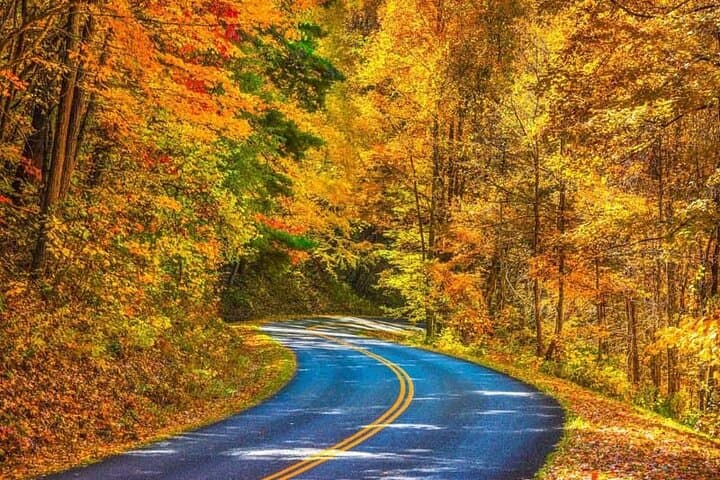
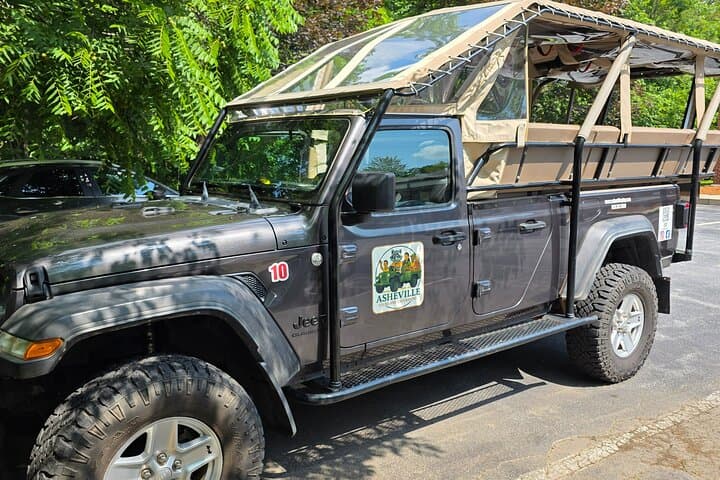
A chill moves through the bus as it climbs the Blue Ridge Parkway, and the trees answer like a crowd shifting in their seats: maples flare red, hickories turn to honey, and oaks hold on to deep russet. You step down at an overlook and the valley spreads out—layered ridgelines rolling away in waves of color, a living map of elevation and microclimate. The guide points out the species that make the show possible and how sunlight and a chilly night translate into the color you’re framing on your phone.
Verified experiences and guided adventures in the surrounding area.
Operated by Asheville Tours and Excursions · Asheville, North Carolina
A chill moves through the bus as it climbs the Blue Ridge Parkway, and the trees answer like a crowd shifting in their seats: maples flare red, hickories turn to honey, and oaks hold on to deep russet. You step down at an overlook and the valley spreads out—layered ridgelines rolling away in waves of color, a living map of elevation and microclimate. The guide points out the species that make the show possible and how sunlight and a chilly night translate into the color you’re framing on your phone.
This three-hour open-air route operates from late September through early November, with a peak window in late October for the Asheville area. The Blue Ridge here is ancient—Grenville- and Piedmont-age rocks folded and uplifted over a billion years—so slopes, not cliffs, catch and hold the soil that lets hardwood forests thrive. The region’s climate and elevation range, roughly 2,000–6,000 feet across the drive, create a staggered color wave; higher ridges tip first, lower coves hold color longer.
Appalachian culture threads through the experience. Your guide will weave natural science with local lore: how mountain farming and logging shaped the forest patchwork and how Cherokee and early settler place names still dot maps and signposts. Small pullouts reveal collapsed homestead stone walls and small cemeteries that speak to a tough, enduring rural past.
Practicality meets spectacle on this tour. It’s a private, three-hour outing that moves by vehicle with short stops for photos and gentle, accessible trails—perfect if you want the drama of the foliage without a full backpacking day. Expect several overlooks and a visit to Graveyard Fields and other curated viewpoints; elevation gain on short stops is minimal but surfaces can be rocky or muddy after rain.
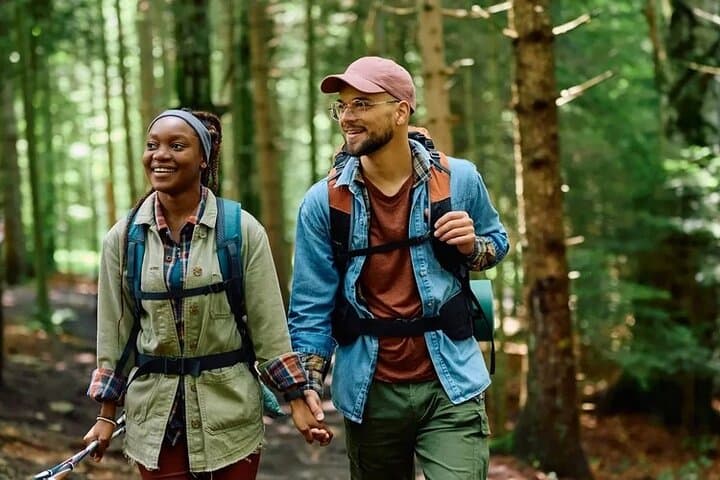
Plan for layers: mornings are cold, afternoons can warm quickly. Wear sturdy walking shoes for uneven ground and bring a small daypack with water, a wind layer, and a hat. If photography is priority, request earlier departure to capture directional light and avoid midday crowds at popular pullouts.
Respect the landscape: park only in designated lots, stay on maintained trails, and follow Leave No Trace. Peak foliage attracts visitors quickly—arrive early, be patient at overlooks, and let the light do the work. For travelers based in Asheville, this tour is an efficient, interpretive way to read the mountains, learn the backstory, and come away with clear images and a deeper understanding of why these ridgelines color the way they do.
easy.
3 hours.
Suitable for most fitness levels; participants should be able to step on/off a vehicle and walk short, uneven trails.
Late October is typically the best window for Asheville and nearby Blue Ridge elevations, though lower valleys may peak a week later; weather can shift timing from year to year.
This private tour is primarily vehicle-based with short, accessible stops and gentle trail sections—no extended hikes are required.
Public restrooms are available at some larger pullouts and visitor centers but not at every stop—plan accordingly.
Yes—guides note the tour as physically easy; short walks and accessible stops make it family- and elder-friendly.
Service animals are allowed per the tour’s policies; non-service pets are generally not recommended due to transportation and park rules.
The tour operates in most conditions; check cancellation windows and confirm with the operator—rain can mute colors but offers atmospheric photos.
The Blue Ridge region has long been shaped by Cherokee presence and later by Appalachian smallholders; old homestead ruins and cemetery plots are common glimpses into that layered human history.
The Blue Ridge Parkway is managed for both recreation and habitat protection—stick to marked pullouts, pack out trash, and avoid trampling understory plants that are crucial for forest recovery.
Asheville Tours and Excursions operates guided outdoor trips and adventures with an emphasis on safety, stewardship, and memorable experiences.
A chill moves through the bus as it climbs the Blue Ridge Parkway, and the trees answer like a crowd shifting in their seats: maples flare red, hickories turn to honey, and oaks hold on to deep russet. You step down at an overlook and the valley spreads out—layered ridgelines rolling away in waves of color, a living map of elevation and microclimate. The guide points out the species that make the show possible and how sunlight and a chilly night translate into the color you’re framing on your phone.
A chill moves through the bus as it climbs the Blue Ridge Parkway, and the trees answer like a crowd shifting in their seats: maples flare red, hickories turn to honey, and oaks hold on to deep russet. You step down at an overlook and the valley spreads out—layered ridgelines rolling away in waves of color, a living map of elevation and microclimate. The guide points out the species that make the show possible and how sunlight and a chilly night translate into the color you’re framing on your phone.
This three-hour open-air route operates from late September through early November, with a peak window in late October for the Asheville area. The Blue Ridge here is ancient—Grenville- and Piedmont-age rocks folded and uplifted over a billion years—so slopes, not cliffs, catch and hold the soil that lets hardwood forests thrive. The region’s climate and elevation range, roughly 2,000–6,000 feet across the drive, create a staggered color wave; higher ridges tip first, lower coves hold color longer.
Appalachian culture threads through the experience. Your guide will weave natural science with local lore: how mountain farming and logging shaped the forest patchwork and how Cherokee and early settler place names still dot maps and signposts. Small pullouts reveal collapsed homestead stone walls and small cemeteries that speak to a tough, enduring rural past.
Practicality meets spectacle on this tour. It’s a private, three-hour outing that moves by vehicle with short stops for photos and gentle, accessible trails—perfect if you want the drama of the foliage without a full backpacking day. Expect several overlooks and a visit to Graveyard Fields and other curated viewpoints; elevation gain on short stops is minimal but surfaces can be rocky or muddy after rain.
Plan for layers: mornings are cold, afternoons can warm quickly. Wear sturdy walking shoes for uneven ground and bring a small daypack with water, a wind layer, and a hat. If photography is priority, request earlier departure to capture directional light and avoid midday crowds at popular pullouts.
Respect the landscape: park only in designated lots, stay on maintained trails, and follow Leave No Trace. Peak foliage attracts visitors quickly—arrive early, be patient at overlooks, and let the light do the work. For travelers based in Asheville, this tour is an efficient, interpretive way to read the mountains, learn the backstory, and come away with clear images and a deeper understanding of why these ridgelines color the way they do.