THE ADVENTURE COLLECTIVE® · Independent discovery and booking for outdoor travel

A full-day drive from Addis Ababa brings you to the dramatic Blue Nile Gorge and the 13th-century Debre Libanos monastery — combining cliffside views, a Portuguese-style bridge and a traditional Ethiopian coffee ceremony. Expect short hikes, wildlife like geladas and lammergeiers, and rich cultural history.
A full-day drive from Addis Ababa brings you to the dramatic Blue Nile Gorge and the 13th-century Debre Libanos monastery — combining cliffside views, a Portuguese-style bridge and a traditional Ethiopian coffee ceremony. Expect short hikes, wildlife like geladas and lammergeiers, and rich cultural history.
You step out of an air-conditioned van into a wind that seems to be pushing you toward the cliff. Below, the Blue Nile’s tributary has carved a sheer gorge that dares you to peer over the edge; above, the whitewashed walls of Debre Libanos sit against cliffs where Saint Tekle Haymanot once retreated.
Verified experiences and guided adventures in the surrounding area.
Operated by Melaku Mehari · Debre Libanos, Oromia
You step out of an air-conditioned van into a wind that seems to be pushing you toward the cliff. Below, the Blue Nile’s tributary has carved a sheer gorge that dares you to peer over the edge; above, the whitewashed walls of Debre Libanos sit against cliffs where Saint Tekle Haymanot once retreated.
The route threads together Ethiopian highland history and geology — a 13th-century monastery founded by Tekle Haymanot, later royal patronage under Haile Selassie, and volcanic plateaus folded into deep river-cut gorges. The Portuguese-style bridge and nearby waterfall recall contact between local and foreign builders, while eucalyptus stands on Entoto signal a more recent ecological chapter.
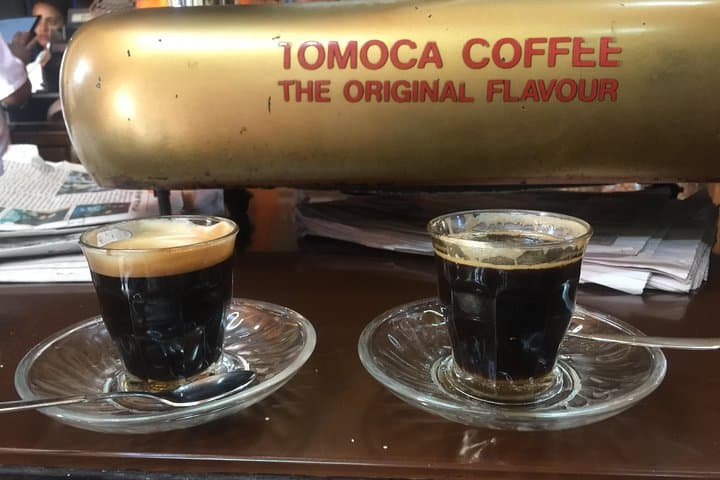
Culture is immediate: a coffee ceremony served with cliff-top views, loud bird calls from lammergeiers overhead, and the distant chatter of gelada troops on terraces. Villagers still live in grass-roofed houses; a short walk reveals stone chapels, holy springs and the cave where the saint once meditated.
Practical guidance: this is a full-day outing (roughly 7–8 hours) with short hikes, uneven paths and stairs at the monastery. Bring sun protection, a refillable water bottle, modest clothing for sacred sites, and cash for small purchases or donations. Start early for cooler light and stronger wildlife sightings; keep a steady pace on steep or slippery sections and follow your guide near cliff edges. The experience pairs easy cultural access with active exploration — not technical, but rewarding for anyone comfortable with a day of walking at highland elevations.
moderate.
7–8 hours.
Suitable for travelers in reasonable shape who can handle several short hikes, stairs and uneven terrain over a full day.
Expect about 7–8 hours total for the round-trip day tour, including stops at the monastery, Portuguese bridge and viewpoints.
Yes — attraction fees and an Ethiopian lunch with coffee ceremony are included as described in the itinerary.
Children 8+ are allowed; the tour involves walking and stairs so it may be challenging for guests with significant mobility limitations despite vehicle accessibility.
Yes — gelada groups and lammergeiers (bearded vultures) are commonly observed from viewpoints, especially in the cooler early morning or late afternoon.
Debre Libanos was founded in the 13th century by Saint Tekle Haymanot; current churches include a tomb church ordered by Emperor Haile Selassie in 1961.
The highland ecosystems are fragile; stay on established paths, avoid single-use plastics and support local guides to ensure tourism benefits nearby communities.
Melaku Mehari operates guided outdoor trips and adventures with an emphasis on safety, stewardship, and memorable experiences.


You step out of an air-conditioned van into a wind that seems to be pushing you toward the cliff. Below, the Blue Nile’s tributary has carved a sheer gorge that dares you to peer over the edge; above, the whitewashed walls of Debre Libanos sit against cliffs where Saint Tekle Haymanot once retreated.
You step out of an air-conditioned van into a wind that seems to be pushing you toward the cliff. Below, the Blue Nile’s tributary has carved a sheer gorge that dares you to peer over the edge; above, the whitewashed walls of Debre Libanos sit against cliffs where Saint Tekle Haymanot once retreated.
The route threads together Ethiopian highland history and geology — a 13th-century monastery founded by Tekle Haymanot, later royal patronage under Haile Selassie, and volcanic plateaus folded into deep river-cut gorges. The Portuguese-style bridge and nearby waterfall recall contact between local and foreign builders, while eucalyptus stands on Entoto signal a more recent ecological chapter.
Culture is immediate: a coffee ceremony served with cliff-top views, loud bird calls from lammergeiers overhead, and the distant chatter of gelada troops on terraces. Villagers still live in grass-roofed houses; a short walk reveals stone chapels, holy springs and the cave where the saint once meditated.
Practical guidance: this is a full-day outing (roughly 7–8 hours) with short hikes, uneven paths and stairs at the monastery. Bring sun protection, a refillable water bottle, modest clothing for sacred sites, and cash for small purchases or donations. Start early for cooler light and stronger wildlife sightings; keep a steady pace on steep or slippery sections and follow your guide near cliff edges. The experience pairs easy cultural access with active exploration — not technical, but rewarding for anyone comfortable with a day of walking at highland elevations.