THE ADVENTURE COLLECTIVE® · Independent discovery and booking for outdoor travel

Step into the Blue Mountains after dark for a guided night hike to a waterfall cave lit by thousands of glow worms. This 5-hour small-group outing mixes geology, local history and hands-on wilderness protocol for a unique nocturnal wildlife encounter.
Step into the Blue Mountains after dark for a guided night hike to a waterfall cave lit by thousands of glow worms. This 5-hour small-group outing mixes geology, local history and hands-on wilderness protocol for a unique nocturnal wildlife encounter.
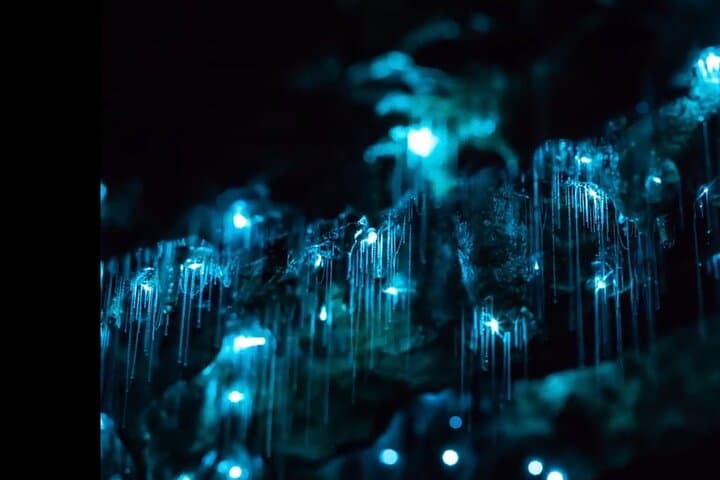
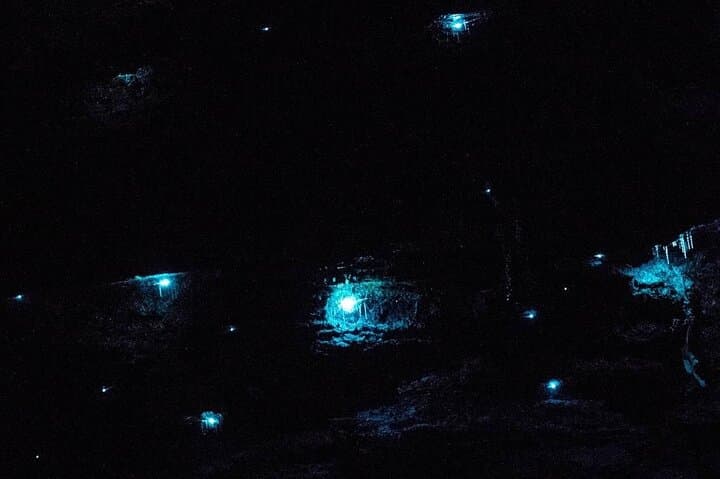
Headlamps cut clean arcs through eucalyptus-scented dusk as the group descends into the shadowed gullies of the Blue Mountains. The forest exhales damp leaf litter; a distant waterfall marks the route and the trail narrows to a cave overhang where thousands of glow worms puncture the dark like a low, green aurora.
Verified experiences and guided adventures in the surrounding area.
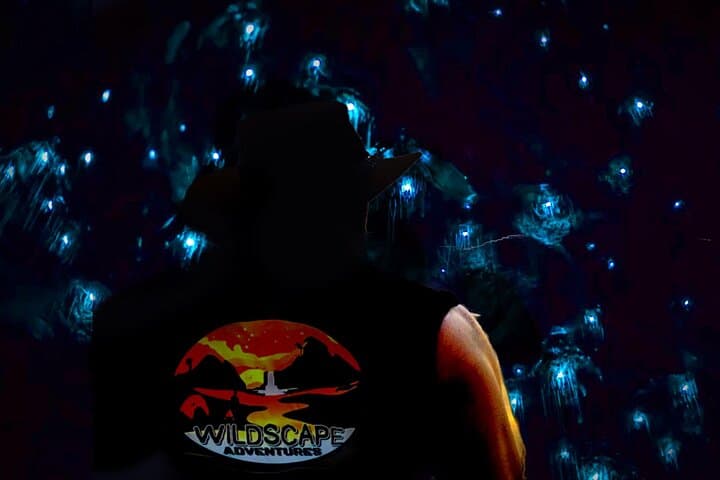
Operated by Wildscape Adventures · Katoomba, New South Wales
Headlamps cut clean arcs through eucalyptus-scented dusk as the group descends into the shadowed gullies of the Blue Mountains. The forest exhales damp leaf litter; a distant waterfall marks the route and the trail narrows to a cave overhang where thousands of glow worms puncture the dark like a low, green aurora.
This landscape sits on a Triassic sandstone plateau carved by rivers and ice-age weathering; cliffs, deep slots and waterfalls reflect a long geological history that shaped caves and overhangs ideal for glow worm colonies. The Gundungurra and Darug peoples have long ties to these valleys; more recent European walkers opened formal tracks in the 19th and 20th centuries, and today guided night walks balance access with protection.
Expect a one-way, roughly 1-hour bushwalk to the cave across uneven, root-strewn terrain and a return by torchlight. The stars above can feel close, and the waterfall’s spray claims its own space, daring you closer while the glow worms hold still. Wildlife is most often heard—lyrebirds and possums—but the real show is bioluminescent.
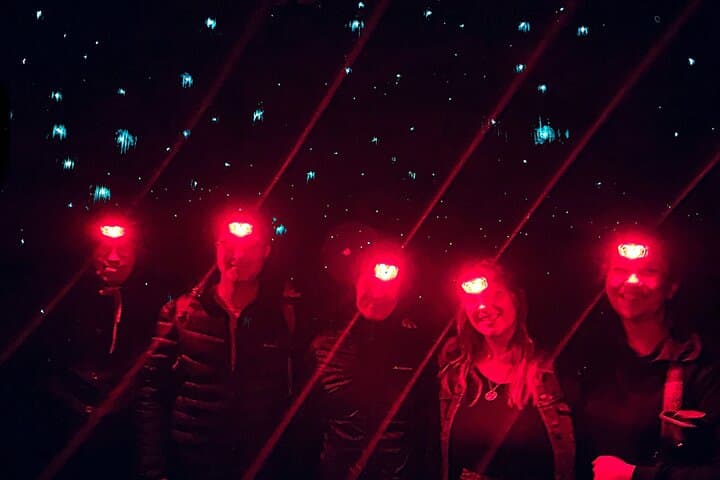
Practical guidance: wear sturdy, grippy boots and a waterproof shell; carry a headlamp with red-light mode to preserve night vision and minimize disturbance. Hydrate before you leave and pack layers—the temperature drops quickly after sunset. This is a guided, small-group activity; follow your instructor’s rules, step quietly, and don’t touch or shine bright lights at the glow worms. Book in advance during warmer months when tours fill, and be prepared for variable weather and muddy sections on the trail.
moderate.
5 hours.
Moderate fitness with ability to hike on uneven terrain for up to an hour each way; comfortable walking in low light conditions.
The guided walk is roughly one hour each way to the cave overhang, included in a full 5-hour activity timeframe.
Yes, but avoid flash and bright continuous lights; use long exposures on a tripod and follow the guide’s instructions to minimize disturbance.
Age restrictions may apply—bookings collect age detail; the activity requires careful supervision and is not suitable for very young children.
Yes, public transport options exist near the Blue Mountains villages, but check the tour’s pickup and meeting instructions before you travel.
The valleys are part of lands long used by Gundungurra and Darug peoples; sandstone cliffs and waterfalls were later mapped by 19th-century European explorers and walkers.
Glow worm colonies are fragile—avoid touching or shining bright light on them, stick to established trails, and follow leave-no-trace principles to protect habitat.
Wildscape Adventures operates guided outdoor trips and adventures with an emphasis on safety, stewardship, and memorable experiences.
Headlamps cut clean arcs through eucalyptus-scented dusk as the group descends into the shadowed gullies of the Blue Mountains. The forest exhales damp leaf litter; a distant waterfall marks the route and the trail narrows to a cave overhang where thousands of glow worms puncture the dark like a low, green aurora.
Headlamps cut clean arcs through eucalyptus-scented dusk as the group descends into the shadowed gullies of the Blue Mountains. The forest exhales damp leaf litter; a distant waterfall marks the route and the trail narrows to a cave overhang where thousands of glow worms puncture the dark like a low, green aurora.
This landscape sits on a Triassic sandstone plateau carved by rivers and ice-age weathering; cliffs, deep slots and waterfalls reflect a long geological history that shaped caves and overhangs ideal for glow worm colonies. The Gundungurra and Darug peoples have long ties to these valleys; more recent European walkers opened formal tracks in the 19th and 20th centuries, and today guided night walks balance access with protection.
Expect a one-way, roughly 1-hour bushwalk to the cave across uneven, root-strewn terrain and a return by torchlight. The stars above can feel close, and the waterfall’s spray claims its own space, daring you closer while the glow worms hold still. Wildlife is most often heard—lyrebirds and possums—but the real show is bioluminescent.
Practical guidance: wear sturdy, grippy boots and a waterproof shell; carry a headlamp with red-light mode to preserve night vision and minimize disturbance. Hydrate before you leave and pack layers—the temperature drops quickly after sunset. This is a guided, small-group activity; follow your instructor’s rules, step quietly, and don’t touch or shine bright lights at the glow worms. Book in advance during warmer months when tours fill, and be prepared for variable weather and muddy sections on the trail.