THE ADVENTURE COLLECTIVE® · Independent discovery and booking for outdoor travel

A guided overnight hike to Blue Mountain Peak delivers predawn ascent through primary forest and an exposed elfin ridge at Jamaica’s highest point. Expect steep trail, changing weather, and a sunrise that rewards the climb.
A guided overnight hike to Blue Mountain Peak delivers predawn ascent through primary forest and an exposed elfin ridge at Jamaica’s highest point. Expect steep trail, changing weather, and a sunrise that rewards the climb.
Before dawn the trail feels alive — headlamp cones bob through the primary forest, boots sinking into leaf-litter while the mountain air cools and tightens around the line of hikers. The guide moves with calm purpose; above 2,000 m the canopy thins to an elfin, wind-sculpted woodland. By the time the sun slides over the horizon, the peak unwraps: ridgelines, distant coastline, and, on the clearest mornings, a low hint of Cuba on the far horizon.
Verified experiences and guided adventures in the surrounding area.
Operated by El Sol Vida · Portland, Portland Parish
Before dawn the trail feels alive — headlamp cones bob through the primary forest, boots sinking into leaf-litter while the mountain air cools and tightens around the line of hikers. The guide moves with calm purpose; above 2,000 m the canopy thins to an elfin, wind-sculpted woodland. By the time the sun slides over the horizon, the peak unwraps: ridgelines, distant coastline, and, on the clearest mornings, a low hint of Cuba on the far horizon.
Blue Mountain Peak (2,256 m) sits inside the Blue and John Crow Mountains UNESCO World Heritage Site. Geologically the range is the result of uplift and deep erosion, producing steep, coffee-rich slopes and cloud forest that captures moisture and feeds downstream ecosystems. Culturally the Blue Mountains are tied to Jamaica’s coffee legacy — smallholdings and terraces still cling to the lower slopes — and to Maroon history in the valleys.
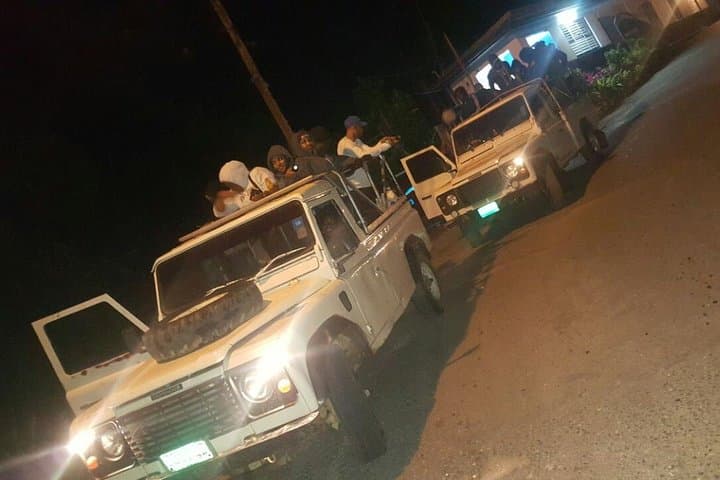
Practically, expect a guided overnight: pickup in Kingston, lodge or basic cabin at Portland Gap, then a predawn push to the summit. The standard trek is a sustained climb through uneven, muddy trail and exposed ridgelines; round-trip distances typically fall between 12–16 km with roughly 1,200–1,400 m of elevation gain depending on your start point. Wear waterproof layers and a warm insulating midlayer for the summit wind. Hydrate and pack high-energy snacks — the guide and park fees are usually included, but check sleeping arrangements and medical restrictions in advance. Weather shifts quickly; plan for rain, limited visibility, and cold at altitude. For hikers who want sunrise, timing and a steady pace repay the effort with an uncompromising view and the raw character of Jamaica’s highest ground.
challenging.
Up to 24 hours (overnight).
Requires high aerobic fitness and leg strength; regular hill training or multi-hour hikes recommended
The tour is challenging; plan for several hours up and down with an overnight stay. Typical round-trip hiking time depends on fitness and start point but expect 8–12 hours of moving time spread over two days, with the full experience lasting about 24 hours including transfers and rest.
Yes — organized tours include an English-speaking mountain guide, park fees, and often overnight lodging at Portland Gap; independent hikers should register with park authorities and carry permits where required.
Most operators provide a basic overnight cabin or mountain hut at Portland Gap with shared facilities; confirm bedding and comfort level when booking, and bring a warm sleeping layer or liner.
Blue Mountain Peak reaches 2,256 m; most healthy visitors tolerate the altitude, but those with cardiac or respiratory issues should avoid the route. Ascend at a steady pace and stay hydrated.
The Blue and John Crow Mountains were inscribed as a UNESCO World Heritage Site for their biodiversity and cultural significance, including Maroon communities that used the mountains as refuge.
This is fragile cloud-forest habitat; stick to trails, pack out all waste, and minimize campfire impact to protect water catchments and endemic species.
El Sol Vida operates guided outdoor trips and adventures with an emphasis on safety, stewardship, and memorable experiences.
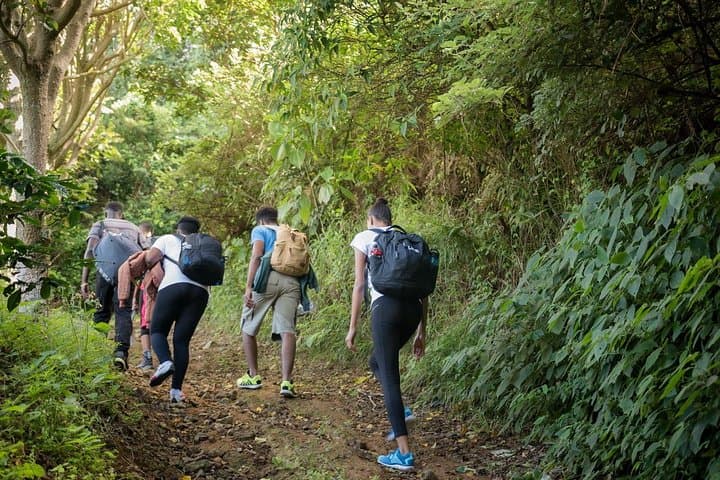
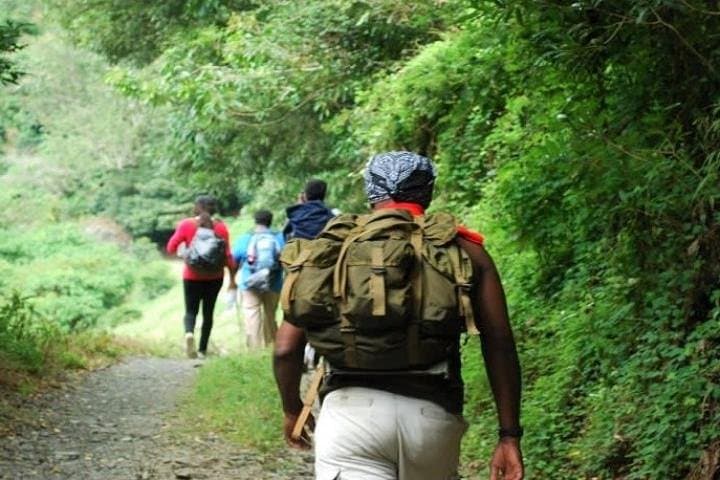
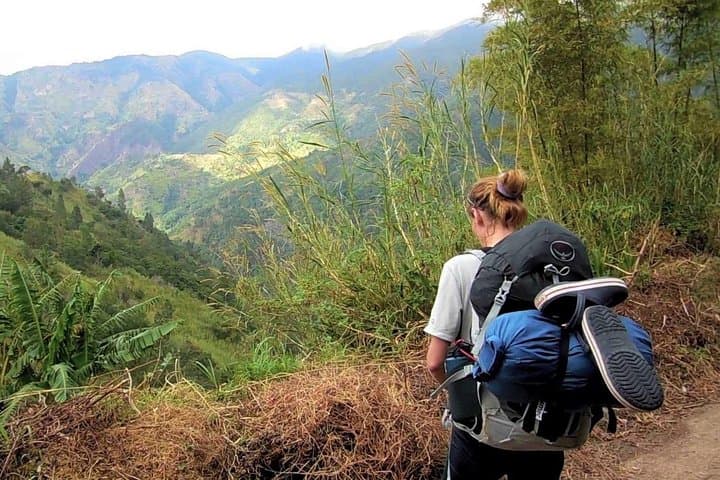
Before dawn the trail feels alive — headlamp cones bob through the primary forest, boots sinking into leaf-litter while the mountain air cools and tightens around the line of hikers. The guide moves with calm purpose; above 2,000 m the canopy thins to an elfin, wind-sculpted woodland. By the time the sun slides over the horizon, the peak unwraps: ridgelines, distant coastline, and, on the clearest mornings, a low hint of Cuba on the far horizon.
Before dawn the trail feels alive — headlamp cones bob through the primary forest, boots sinking into leaf-litter while the mountain air cools and tightens around the line of hikers. The guide moves with calm purpose; above 2,000 m the canopy thins to an elfin, wind-sculpted woodland. By the time the sun slides over the horizon, the peak unwraps: ridgelines, distant coastline, and, on the clearest mornings, a low hint of Cuba on the far horizon.
Blue Mountain Peak (2,256 m) sits inside the Blue and John Crow Mountains UNESCO World Heritage Site. Geologically the range is the result of uplift and deep erosion, producing steep, coffee-rich slopes and cloud forest that captures moisture and feeds downstream ecosystems. Culturally the Blue Mountains are tied to Jamaica’s coffee legacy — smallholdings and terraces still cling to the lower slopes — and to Maroon history in the valleys.
Practically, expect a guided overnight: pickup in Kingston, lodge or basic cabin at Portland Gap, then a predawn push to the summit. The standard trek is a sustained climb through uneven, muddy trail and exposed ridgelines; round-trip distances typically fall between 12–16 km with roughly 1,200–1,400 m of elevation gain depending on your start point. Wear waterproof layers and a warm insulating midlayer for the summit wind. Hydrate and pack high-energy snacks — the guide and park fees are usually included, but check sleeping arrangements and medical restrictions in advance. Weather shifts quickly; plan for rain, limited visibility, and cold at altitude. For hikers who want sunrise, timing and a steady pace repay the effort with an uncompromising view and the raw character of Jamaica’s highest ground.