THE ADVENTURE COLLECTIVE® · Independent discovery and booking for outdoor travel

Experience Blue Mountain coffee where it’s grown—high-elevation farms, misty ridgelines and hands-on bean-to-cup demonstrations. This 2–3 hour tour combines scenic drives, plantation history and multiple tastings.
Experience Blue Mountain coffee where it’s grown—high-elevation farms, misty ridgelines and hands-on bean-to-cup demonstrations. This 2–3 hour tour combines scenic drives, plantation history and multiple tastings.
You step off an air-conditioned shuttle into a cool, mist-slimmed ridge at roughly 4,000 feet, the air smelling faintly of wet earth and green cherry. The Blue Mountains rise around you in folded ridgelines, clouds moving like slow rivers. A guide leads the way across narrow paths between terraced plots where coffee plants bend under ripe cherries; somewhere below, the valley fades into humidity and distant rumble of Kingston.
Verified experiences and guided adventures in the surrounding area.
Operated by Island Kodesh Tours · Kingston, St Andrew Parish
You step off an air-conditioned shuttle into a cool, mist-slimmed ridge at roughly 4,000 feet, the air smelling faintly of wet earth and green cherry. The Blue Mountains rise around you in folded ridgelines, clouds moving like slow rivers. A guide leads the way across narrow paths between terraced plots where coffee plants bend under ripe cherries; somewhere below, the valley fades into humidity and distant rumble of Kingston.
The Blue Mountain region is a product of volcanic soils, high elevation and steady rainfall—conditions that made Jamaican coffee prized since the 18th century when colonial estates first planted seedlings. Small family farms and historical sites such as Craighton Estate and Newcastle military remnants dot the slopes; local culture blends Maroon and colonial histories, with festivals and crafts in villages like Irish Town and Mavis Bank.
On a typical tour you’ll observe selective hand-picking, wet and dry processing, and freshly roasted beans cooled in wooden trays. Expect a sensory tour: the fruit-sweet acidity on your tongue, the sharpness of green beans, and the rounded finish of a cup brewed right on the farm.
Practical notes: the roads up are narrow and winding—allow extra travel time. Bring layers for rapidly changing temperatures, closed-toe shoes for uneven farm tracks, and cash for small purchases. Hydrate before the walk at altitude, and follow farm rules around equipment and drying beans. Tours last roughly 2–3 hours and pair well with a short hike or a visit to local craft markets; arrive early for clearer views and the freshest cupping session.
easy.
2–3 hours.
Suitable for most fitness levels; involves short, mostly gentle walks across farm terrain
Yes—most tours include round-trip transport from Kingston or specified pickup points in an air-conditioned vehicle.
No—this tour focuses on plantation visits and short walks; it’s suitable for most physical abilities.
Yes—farm shops often sell roasted Blue Mountain coffee and small-batch beans; bring cash for purchases.
Children are welcome, but farms may have uneven terrain and equipment—supervise youngsters closely.
Blue Mountain coffee cultivation dates to the 18th century under colonial estates; the region’s elevation and volcanic soil created its global reputation.
Support local farms that use shade-grown and small-lot practices; avoid littering and respect drying beds to minimize impact.
Island Kodesh Tours operates guided outdoor trips and adventures with an emphasis on safety, stewardship, and memorable experiences.
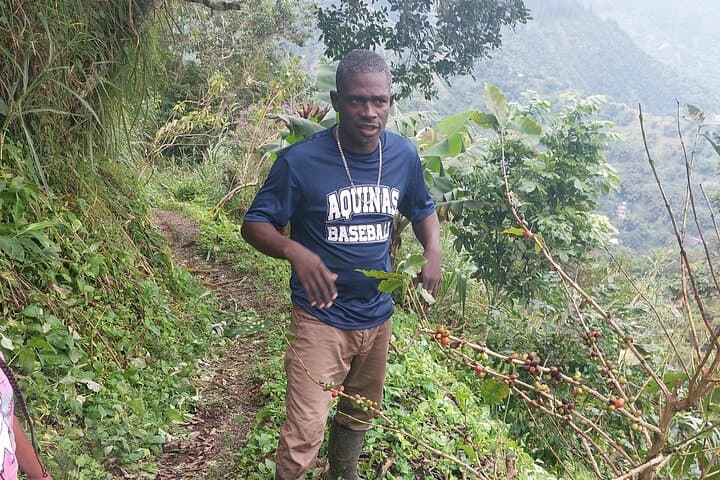
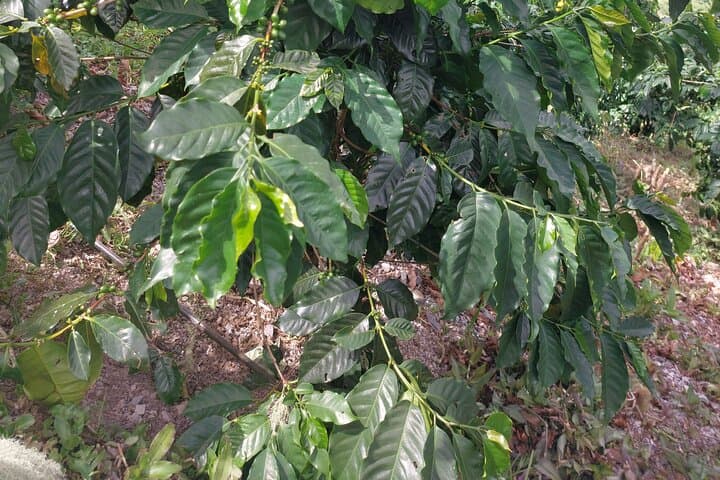

You step off an air-conditioned shuttle into a cool, mist-slimmed ridge at roughly 4,000 feet, the air smelling faintly of wet earth and green cherry. The Blue Mountains rise around you in folded ridgelines, clouds moving like slow rivers. A guide leads the way across narrow paths between terraced plots where coffee plants bend under ripe cherries; somewhere below, the valley fades into humidity and distant rumble of Kingston.
You step off an air-conditioned shuttle into a cool, mist-slimmed ridge at roughly 4,000 feet, the air smelling faintly of wet earth and green cherry. The Blue Mountains rise around you in folded ridgelines, clouds moving like slow rivers. A guide leads the way across narrow paths between terraced plots where coffee plants bend under ripe cherries; somewhere below, the valley fades into humidity and distant rumble of Kingston.
The Blue Mountain region is a product of volcanic soils, high elevation and steady rainfall—conditions that made Jamaican coffee prized since the 18th century when colonial estates first planted seedlings. Small family farms and historical sites such as Craighton Estate and Newcastle military remnants dot the slopes; local culture blends Maroon and colonial histories, with festivals and crafts in villages like Irish Town and Mavis Bank.
On a typical tour you’ll observe selective hand-picking, wet and dry processing, and freshly roasted beans cooled in wooden trays. Expect a sensory tour: the fruit-sweet acidity on your tongue, the sharpness of green beans, and the rounded finish of a cup brewed right on the farm.
Practical notes: the roads up are narrow and winding—allow extra travel time. Bring layers for rapidly changing temperatures, closed-toe shoes for uneven farm tracks, and cash for small purchases. Hydrate before the walk at altitude, and follow farm rules around equipment and drying beans. Tours last roughly 2–3 hours and pair well with a short hike or a visit to local craft markets; arrive early for clearer views and the freshest cupping session.