THE ADVENTURE COLLECTIVE® · Independent discovery and booking for outdoor travel

Soak in the Blue Lagoon’s milky geothermal waters amid black lava and Nordic light. This guided visit pairs easy access with geothermal geology, silica mud masks, and practical tips to make the most of a three-hour Blue Lagoon experience.
Soak in the Blue Lagoon’s milky geothermal waters amid black lava and Nordic light. This guided visit pairs easy access with geothermal geology, silica mud masks, and practical tips to make the most of a three-hour Blue Lagoon experience.
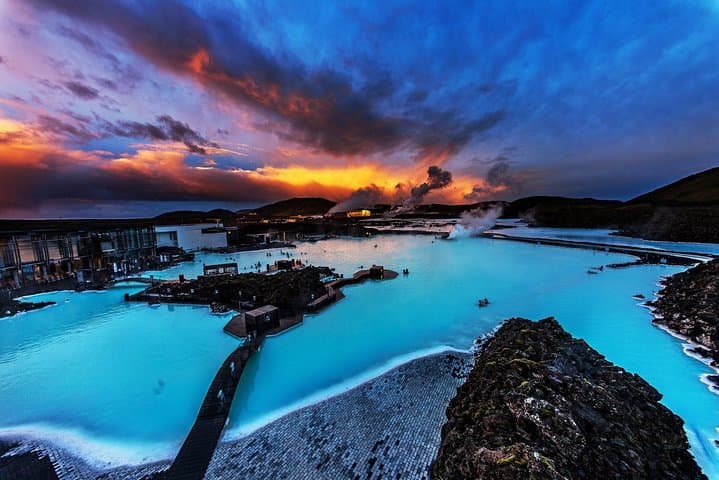
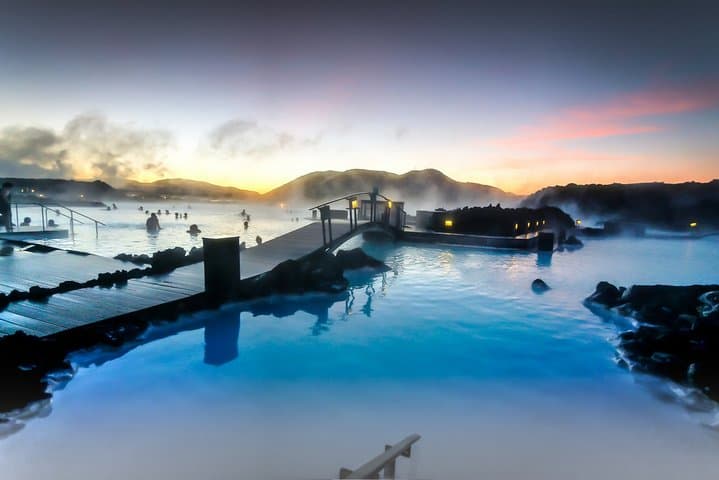
Steam lifts from a milky-blue pool while rhyolite slopes and black lava fields press close — you stand ankle-deep in 38–40°C geothermal water and the horizon is raw, low, and very Icelandic. Wind pushes across the Reykjanes Peninsula; the lagoon’s silica-rich water beads on your skin and a silica face mask tightens pleasantly as you breathe out.
Verified experiences and guided adventures in the surrounding area.
Operated by Uopera tours · Grindavík, Reykjanes Peninsula
Steam lifts from a milky-blue pool while rhyolite slopes and black lava fields press close — you stand ankle-deep in 38–40°C geothermal water and the horizon is raw, low, and very Icelandic. Wind pushes across the Reykjanes Peninsula; the lagoon’s silica-rich water beads on your skin and a silica face mask tightens pleasantly as you breathe out.
The Blue Lagoon is a product of modern Icelandic industry and volcanic geology: the water is run-off from the nearby Svartsengi geothermal power plant, filtered through lava before pooling in a man-made basin. The surrounding lava formed during recent Holocene eruptions, giving the landscape its staccato, angular character. Culturally, the site sits between local bathing traditions and contemporary wellness tourism — a place where utility (geothermal power) became leisure.
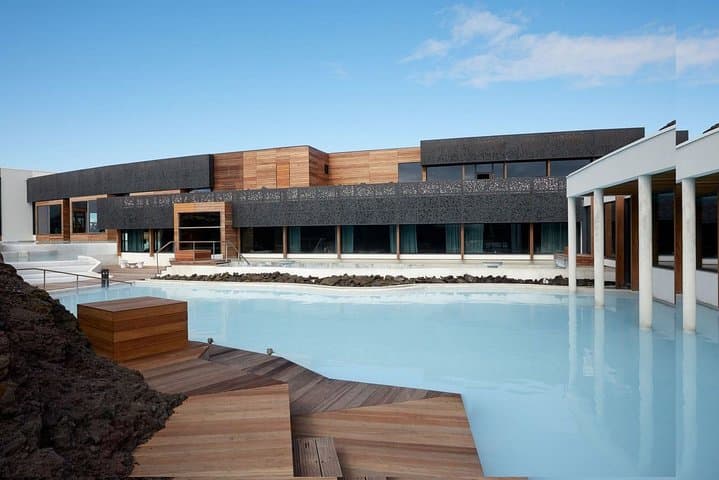
Expect an organized visit: pick-up or private transport from Reykjavík, timed entry, and options that include towels, robes, and silica or algae masks. The main experience is easy and social rather than wild — small coves and shallow ledges invite soaking, while a bar island and reserved dining at Lava Restaurant add comforts.
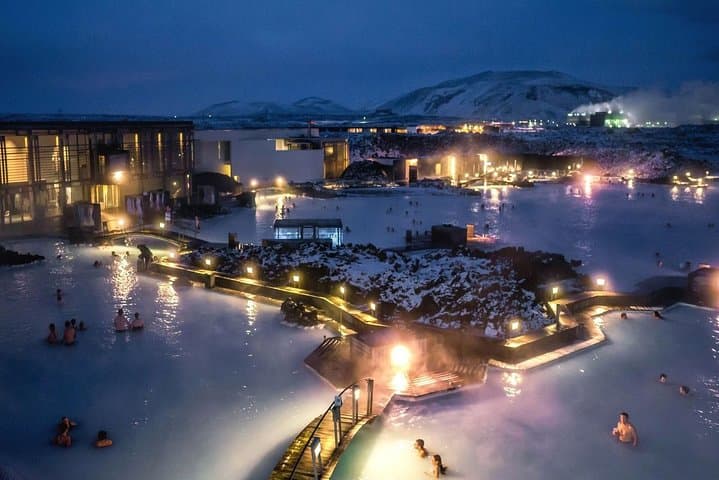
Practical guidance: arrive with swimwear and waterproof layers, use provided lockers, and limit direct product use in natural areas — wash off lotions beforehand. Avoid long exposure in hot water if you have circulation issues and drink water between dips. Early morning or late evening slots reduce crowds and reveal the landscape’s quiet northern light. The Blue Lagoon is about sensory immersion in geothermal Iceland, a controlled but memorable way to meet the country’s volcanic heartbeat.
easy.
2–3 hours.
Suitable for all fitness levels; minimal walking and no technical effort required
Typical bookings are about three hours including arrival, changing, and soaking time; the exact slot is timed at entry.
Comfort and Premium packages include towels; Premium adds a robe, slippers, and other amenities — check your booking level.
Children 13 and under may have free admission under some offers, but children must be supervised and follow depth and safety rules.
Many packages include round-trip private transport; confirm pickup location and time when booking.
The lagoon formed in the late 20th century from geothermal runoff from the Svartsengi power plant and evolved into a wellness destination that leverages Iceland’s geothermal resources.
Operators limit visitor numbers, recycle geothermal water, and encourage low-impact behavior to protect fragile moss and lava fields around the site.
Uopera tours operates guided outdoor trips and adventures with an emphasis on safety, stewardship, and memorable experiences.
Steam lifts from a milky-blue pool while rhyolite slopes and black lava fields press close — you stand ankle-deep in 38–40°C geothermal water and the horizon is raw, low, and very Icelandic. Wind pushes across the Reykjanes Peninsula; the lagoon’s silica-rich water beads on your skin and a silica face mask tightens pleasantly as you breathe out.
Steam lifts from a milky-blue pool while rhyolite slopes and black lava fields press close — you stand ankle-deep in 38–40°C geothermal water and the horizon is raw, low, and very Icelandic. Wind pushes across the Reykjanes Peninsula; the lagoon’s silica-rich water beads on your skin and a silica face mask tightens pleasantly as you breathe out.
The Blue Lagoon is a product of modern Icelandic industry and volcanic geology: the water is run-off from the nearby Svartsengi geothermal power plant, filtered through lava before pooling in a man-made basin. The surrounding lava formed during recent Holocene eruptions, giving the landscape its staccato, angular character. Culturally, the site sits between local bathing traditions and contemporary wellness tourism — a place where utility (geothermal power) became leisure.
Expect an organized visit: pick-up or private transport from Reykjavík, timed entry, and options that include towels, robes, and silica or algae masks. The main experience is easy and social rather than wild — small coves and shallow ledges invite soaking, while a bar island and reserved dining at Lava Restaurant add comforts.
Practical guidance: arrive with swimwear and waterproof layers, use provided lockers, and limit direct product use in natural areas — wash off lotions beforehand. Avoid long exposure in hot water if you have circulation issues and drink water between dips. Early morning or late evening slots reduce crowds and reveal the landscape’s quiet northern light. The Blue Lagoon is about sensory immersion in geothermal Iceland, a controlled but memorable way to meet the country’s volcanic heartbeat.