THE ADVENTURE COLLECTIVE® · Independent discovery and booking for outdoor travel

Soak in the milky-blue warmth of Iceland’s Blue Lagoon and learn why volcanic runoff became one of the country’s most iconic geothermal spas. This concise guide covers geology, local context, and practical tips to plan a smooth visit.
Soak in the milky-blue warmth of Iceland’s Blue Lagoon and learn why volcanic runoff became one of the country’s most iconic geothermal spas. This concise guide covers geology, local context, and practical tips to plan a smooth visit.
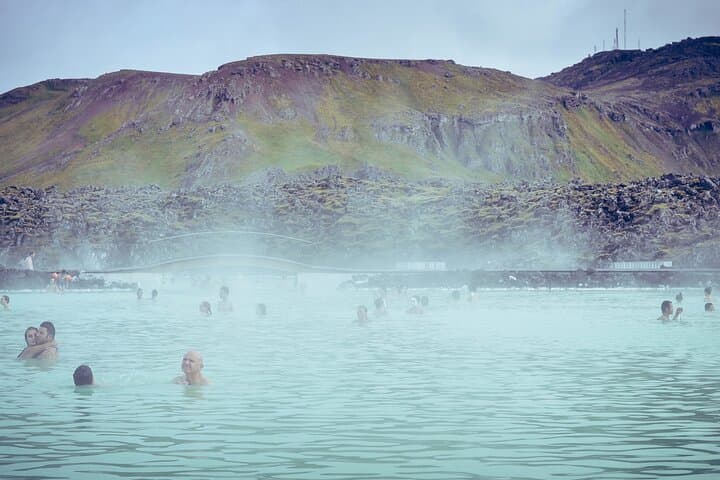
You step from the shuttle into steam that threads the chilly air, the milky-blue water laying out like a warm, luminous field against black lava and low scrub.
Verified experiences and guided adventures in the surrounding area.
Operated by Opatrip.com Iceland · Grindavík, Reykjanes Peninsula
You step from the shuttle into steam that threads the chilly air, the milky-blue water laying out like a warm, luminous field against black lava and low scrub.
The Blue Lagoon sits on the Reykjanes Peninsula where a 1976 power plant spill created silica-rich pools; today the site blends engineered comfort with raw geothermal geology. Basalt flows, white silica, and vivid algae colors mark a landscape shaped by recent volcanism and human ingenuity. Local culture treats the lagoon like a modern hot spring shrine — part wellness ritual, part social hub — and nearby fishing villages like Grindavík still carry a salt-and-gear practicality.
Practically, the standard visit here is short and focused: two hours of access with entrance, a silica mud mask, towel, transport, and a local guide included. Plan to shower thoroughly before entering to protect water quality and to moisturize afterward; hair can be brittle from silica. The site is flat and accessible for most mobility levels, but paths can be slippery. Arrive early or late for softer light and smaller crowds; winter brings dramatic steam and a chance for aurora if the skies clear.
Expect warm, buoyant water that encourages slow circulation rather than fast swimming — the experience is restorative more than athletic. Bring a swimsuit, a waterproof phone case, and warm layers for the post-soak chill. Book in advance: slots fill fast, and the tour’s private transfer makes timing simple.
easy.
2 hours.
Suitable for all fitness levels; minimal walking and flat surfaces but slippery when wet.
Yes — this tour includes towel service and a silica mud mask as part of the standard admission.
The booked visit is two hours long for this tour; stick to the scheduled slot to allow staff to manage capacity.
The lagoon is famed for skin benefits from silica and minerals, but those with severe skin conditions or open wounds should consult a physician and inform staff before entering.
Most services are card-friendly; tipping is not obligatory in Iceland, and transport/entry are prepaid with this tour.
The Blue Lagoon formed unintentionally from discharge water of the Svartsengi geothermal power plant in the 1970s and became a developed spa site as locals recognized its skin-healing properties.
The site recirculates water and monitors chemical balance; visitors are asked to shower before entry and avoid bringing cosmetics that could alter water quality.
Opatrip.com Iceland operates guided outdoor trips and adventures with an emphasis on safety, stewardship, and memorable experiences.
You step from the shuttle into steam that threads the chilly air, the milky-blue water laying out like a warm, luminous field against black lava and low scrub.
You step from the shuttle into steam that threads the chilly air, the milky-blue water laying out like a warm, luminous field against black lava and low scrub.
The Blue Lagoon sits on the Reykjanes Peninsula where a 1976 power plant spill created silica-rich pools; today the site blends engineered comfort with raw geothermal geology. Basalt flows, white silica, and vivid algae colors mark a landscape shaped by recent volcanism and human ingenuity. Local culture treats the lagoon like a modern hot spring shrine — part wellness ritual, part social hub — and nearby fishing villages like Grindavík still carry a salt-and-gear practicality.
Practically, the standard visit here is short and focused: two hours of access with entrance, a silica mud mask, towel, transport, and a local guide included. Plan to shower thoroughly before entering to protect water quality and to moisturize afterward; hair can be brittle from silica. The site is flat and accessible for most mobility levels, but paths can be slippery. Arrive early or late for softer light and smaller crowds; winter brings dramatic steam and a chance for aurora if the skies clear.
Expect warm, buoyant water that encourages slow circulation rather than fast swimming — the experience is restorative more than athletic. Bring a swimsuit, a waterproof phone case, and warm layers for the post-soak chill. Book in advance: slots fill fast, and the tour’s private transfer makes timing simple.