THE ADVENTURE COLLECTIVE® · Independent discovery and booking for outdoor travel

Explore Padangbai’s Blue Lagoon reef by boat, snorkel among clownfish and turtles, then visit the sacred Goa Lawah bat cave temple. This half-day private tour combines marine wildlife viewing with cultural insight and hotel transfer.
Explore Padangbai’s Blue Lagoon reef by boat, snorkel among clownfish and turtles, then visit the sacred Goa Lawah bat cave temple. This half-day private tour combines marine wildlife viewing with cultural insight and hotel transfer.
Salt on the lip, warm boat timber underfoot and a shallow reef that unspools like a living map — Blue Lagoon at Padangbai introduces visitors to Bali’s eastern shore with directness. The water here is clear enough that the reef reads like a page: branching hard corals, gardens of plate coral and pockets where clownfish and angelfish patrol the crevices. A skilled guide puts you into that scene, pointing out turtles easing over sand and the puffers that peer as you pass.
Verified experiences and guided adventures in the surrounding area.
Operated by The Bali Driver Tour · Padangbai, Bali
Salt on the lip, warm boat timber underfoot and a shallow reef that unspools like a living map — Blue Lagoon at Padangbai introduces visitors to Bali’s eastern shore with directness. The water here is clear enough that the reef reads like a page: branching hard corals, gardens of plate coral and pockets where clownfish and angelfish patrol the crevices. A skilled guide puts you into that scene, pointing out turtles easing over sand and the puffers that peer as you pass.
The route ties two different rhythms of Balinese life. Snorkeling is marine time — tidal, bright and sensory — then the afternoon visit to Goa Lawah moves inland into a sacred landscape. Goa Lawah (Bat Cave Temple) is a working Balinese Hindu temple built around a natural cave that houses thousands of bats; it’s long been part of local ritual geography and an accessible example of temple architecture meeting natural features.
Practical guide: the excursion typically includes hotel pickup, a short traditional-boat ride to the reef, two hours in the water, a simple Indonesian lunch and a guided stop at Goa Lawah before return. Expect light currents and shallow reefs (good for confident beginners and intermediates). Bring reef-safe sunscreen, a snug mask or prescription snorkel gear if you need it, and a lightweight change of clothes.
Respect local customs at Goa Lawah: dress modestly, remove hats in temple compounds and keep noise low near cave openings. On the reef, don’t touch coral or chase wildlife; the best sightings come to still, observant snorkelers.
moderate.
6–8 hours.
Basic aerobic fitness and ability to swim short distances; comfortable in open water with brief surface swims.
No — guides work with beginners and the reef is generally shallow, but you should be comfortable floating and breathing while face‑down in open water.
Common sightings include clownfish, angelfish, pufferfish, and occasionally green sea turtles; visibility and sightings depend on weather and currents.
Basic rinse and changing facilities are typically available at the beach; bring a towel and a light change of clothes for the temple visit.
Yes — it’s an active temple with public access, but visitors should dress modestly and follow temple etiquette and any local guidance.
Goa Lawah is a historic Balinese Hindu temple distinguished by its natural cave and bat colony; it has served local ritual functions for centuries and is woven into regional pilgrimage routes.
Local guides emphasize reef protection — use reef‑safe products, avoid standing on coral and follow guide instructions to reduce anchor and contact damage.
The Bali Driver Tour operates guided outdoor trips and adventures with an emphasis on safety, stewardship, and memorable experiences.
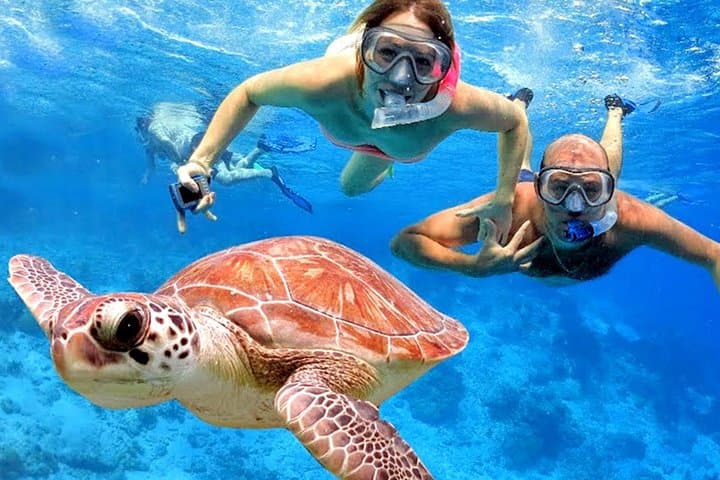
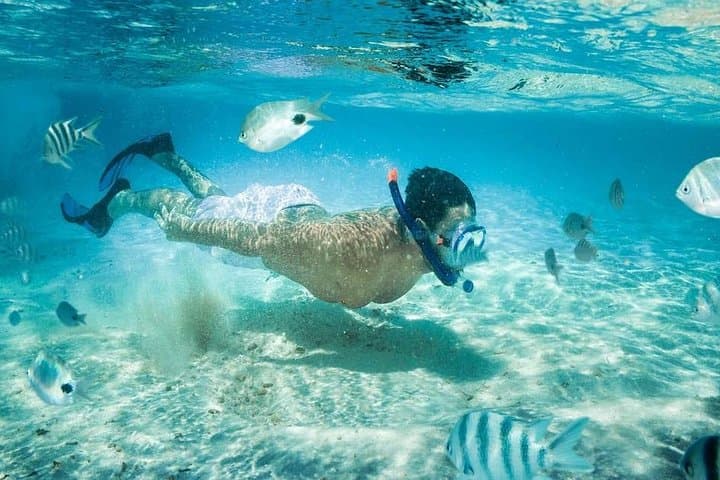
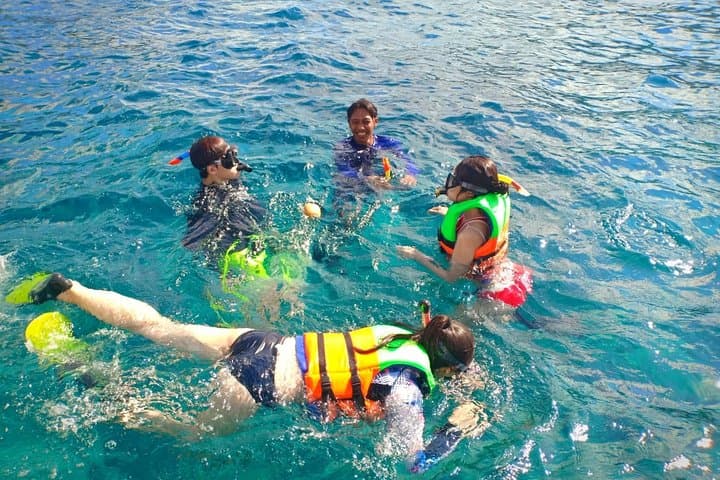
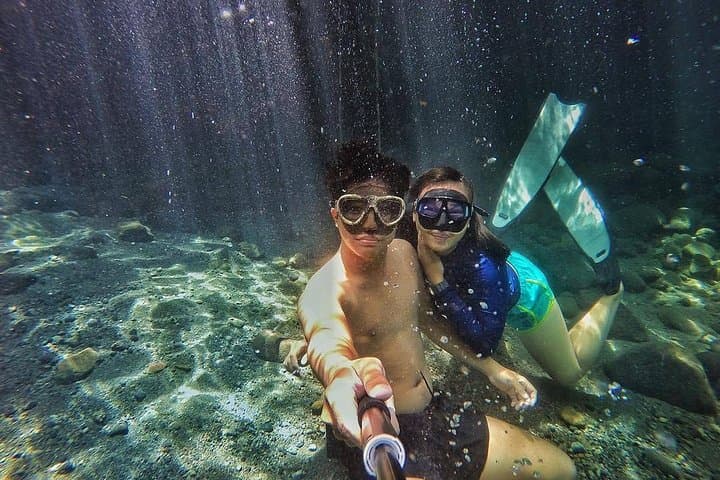
Salt on the lip, warm boat timber underfoot and a shallow reef that unspools like a living map — Blue Lagoon at Padangbai introduces visitors to Bali’s eastern shore with directness. The water here is clear enough that the reef reads like a page: branching hard corals, gardens of plate coral and pockets where clownfish and angelfish patrol the crevices. A skilled guide puts you into that scene, pointing out turtles easing over sand and the puffers that peer as you pass.
Salt on the lip, warm boat timber underfoot and a shallow reef that unspools like a living map — Blue Lagoon at Padangbai introduces visitors to Bali’s eastern shore with directness. The water here is clear enough that the reef reads like a page: branching hard corals, gardens of plate coral and pockets where clownfish and angelfish patrol the crevices. A skilled guide puts you into that scene, pointing out turtles easing over sand and the puffers that peer as you pass.
The route ties two different rhythms of Balinese life. Snorkeling is marine time — tidal, bright and sensory — then the afternoon visit to Goa Lawah moves inland into a sacred landscape. Goa Lawah (Bat Cave Temple) is a working Balinese Hindu temple built around a natural cave that houses thousands of bats; it’s long been part of local ritual geography and an accessible example of temple architecture meeting natural features.
Practical guide: the excursion typically includes hotel pickup, a short traditional-boat ride to the reef, two hours in the water, a simple Indonesian lunch and a guided stop at Goa Lawah before return. Expect light currents and shallow reefs (good for confident beginners and intermediates). Bring reef-safe sunscreen, a snug mask or prescription snorkel gear if you need it, and a lightweight change of clothes.
Respect local customs at Goa Lawah: dress modestly, remove hats in temple compounds and keep noise low near cave openings. On the reef, don’t touch coral or chase wildlife; the best sightings come to still, observant snorkelers.