THE ADVENTURE COLLECTIVE® · Independent discovery and booking for outdoor travel

Cross crystalline Adriatic water from Split to Trogir, dive into the Blue Lagoon, and explore Šolta’s fishing villages on a private speedboat. This 5–8 hour tour pairs easy snorkeling with coastal history and seaside dining.
Cross crystalline Adriatic water from Split to Trogir, dive into the Blue Lagoon, and explore Šolta’s fishing villages on a private speedboat. This 5–8 hour tour pairs easy snorkeling with coastal history and seaside dining.
The bow slices through Aegean-blue water as the old stone of Trogir slips astern — sun on deck, wind tasting of pine and salt. On this private speedboat route you cross short open-water channels, drop anchor in a luminous Blue Lagoon for snorkeling, and tie up at Maslinica, where a low castle and bobbing fishing skiffs mark a village that has kept its rhythm with the sea.
Verified experiences and guided adventures in the surrounding area.
Operated by Klaric nautika charter · Trogir, Split‑Dalmatia County
The bow slices through Aegean-blue water as the old stone of Trogir slips astern — sun on deck, wind tasting of pine and salt. On this private speedboat route you cross short open-water channels, drop anchor in a luminous Blue Lagoon for snorkeling, and tie up at Maslinica, where a low castle and bobbing fishing skiffs mark a village that has kept its rhythm with the sea.
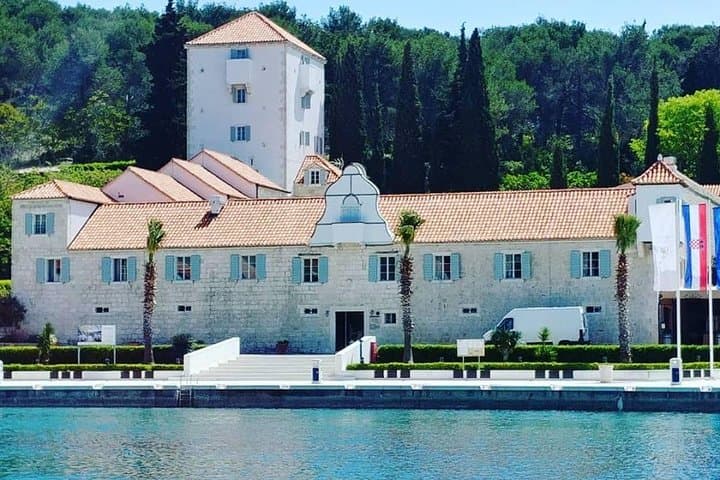
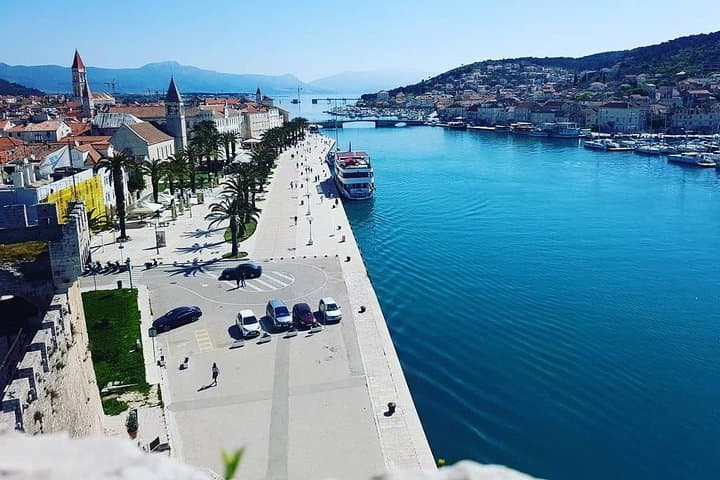
Trogir itself is UNESCO-listed for its compact medieval core, carved in limestone and layered with Venetian and Dalmatian history. Geologically the area is a karst shoreline: limestone reefs, shelly coves and shallow seafloor that make for clear snorkeling and visible wrecks. Šolta’s villages were built around olive groves and small harbors; Maslinica’s Martinis Marchi castle is a 19th-century coastal landmark now facing a modern marina.
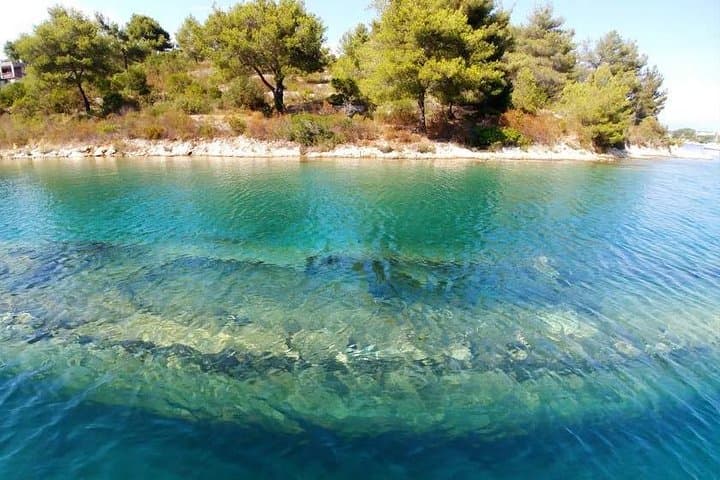
Expect 5–8 hours on the water with multiple short hops — typically 20–60 minutes between stops depending on sea state. Swimming and snorkeling spots include a shallow Blue Lagoon, a reef-fringed cove and a sheltered bay with a visible shipwreck ideal for confident snorkelers. There’s little elevation — all activity is at sea level — but movement on a small boat requires balance and basic sea legs.
Practical guidance: bring reef‑safe sunscreen, a snug mask or use the provided gear, and a lightweight wind layer for the crossing. Time your day to avoid the midday crowd in Trogir and opt for morning light in the lagoon. Hydrate, mind local marine life, and leave no trace in coves and villages.
easy.
5–8 hours.
Suitable for travelers in average physical condition; comfortable standing and basic swimming ability recommended.
The standard pickup is in Split or Trogir (Trogir port near Kamerlengo Castle) with return to the same pier.
Yes — snorkels and masks are provided, but many travelers prefer their own mask for fit and comfort.
Sites are shallow to moderate (typically 2–10 meters); the shipwreck spot is shallow enough for confident snorkelers to explore surface to mid‑depth.
The tour includes bottled water; lunch at a seaside restaurant is optional and paid locally.
Trogir’s compact medieval core reflects Venetian and Roman layers; Šolta’s villages grew around olive groves and small-scale fishing traditions.
The central Dalmatian coast favors low-impact tourism; visitors should use reef‑safe sunscreen and avoid anchoring on seagrass beds to protect marine habitat.
Klaric nautika charter operates guided outdoor trips and adventures with an emphasis on safety, stewardship, and memorable experiences.
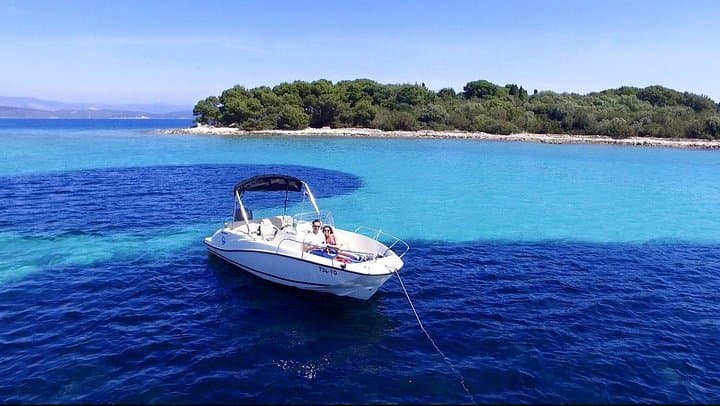
The bow slices through Aegean-blue water as the old stone of Trogir slips astern — sun on deck, wind tasting of pine and salt. On this private speedboat route you cross short open-water channels, drop anchor in a luminous Blue Lagoon for snorkeling, and tie up at Maslinica, where a low castle and bobbing fishing skiffs mark a village that has kept its rhythm with the sea.
The bow slices through Aegean-blue water as the old stone of Trogir slips astern — sun on deck, wind tasting of pine and salt. On this private speedboat route you cross short open-water channels, drop anchor in a luminous Blue Lagoon for snorkeling, and tie up at Maslinica, where a low castle and bobbing fishing skiffs mark a village that has kept its rhythm with the sea.
Trogir itself is UNESCO-listed for its compact medieval core, carved in limestone and layered with Venetian and Dalmatian history. Geologically the area is a karst shoreline: limestone reefs, shelly coves and shallow seafloor that make for clear snorkeling and visible wrecks. Šolta’s villages were built around olive groves and small harbors; Maslinica’s Martinis Marchi castle is a 19th-century coastal landmark now facing a modern marina.
Expect 5–8 hours on the water with multiple short hops — typically 20–60 minutes between stops depending on sea state. Swimming and snorkeling spots include a shallow Blue Lagoon, a reef-fringed cove and a sheltered bay with a visible shipwreck ideal for confident snorkelers. There’s little elevation — all activity is at sea level — but movement on a small boat requires balance and basic sea legs.
Practical guidance: bring reef‑safe sunscreen, a snug mask or use the provided gear, and a lightweight wind layer for the crossing. Time your day to avoid the midday crowd in Trogir and opt for morning light in the lagoon. Hydrate, mind local marine life, and leave no trace in coves and villages.