THE ADVENTURE COLLECTIVE® · Independent discovery and booking for outdoor travel

Drive from Montego Bay into the hills for a close look at Rastafari herbal practices, then descend into a limestone Blue Hole Mineral Spring for a swim and therapeutic soak. This half-day private tour mixes culture, geology, and easy adventure.
Drive from Montego Bay into the hills for a close look at Rastafari herbal practices, then descend into a limestone Blue Hole Mineral Spring for a swim and therapeutic soak. This half-day private tour mixes culture, geology, and easy adventure.
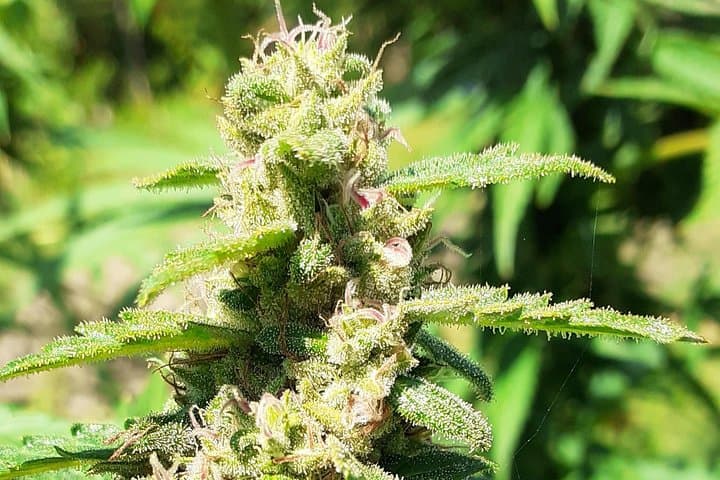
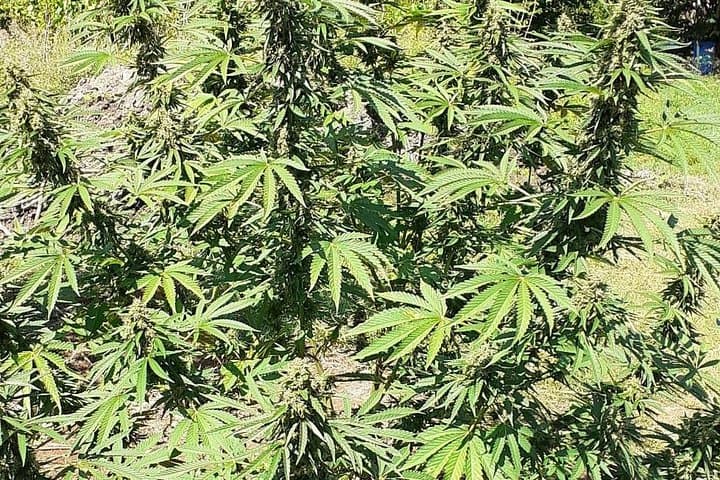
A cool wind pushes across the rutted country road as the private car climbs out of Montego Bay toward the green ribs of Westmoreland. The drive through Negril’s hills opens into fields and low limestone bluffs; you can feel the island’s geology change underfoot as the guide points out herbs growing wild at the edge of a Rastafari community.
Verified experiences and guided adventures in the surrounding area.
Operated by Jamaica Hidden Treasures · Montego Bay, St. James
A cool wind pushes across the rutted country road as the private car climbs out of Montego Bay toward the green ribs of Westmoreland. The drive through Negril’s hills opens into fields and low limestone bluffs; you can feel the island’s geology change underfoot as the guide points out herbs growing wild at the edge of a Rastafari community.
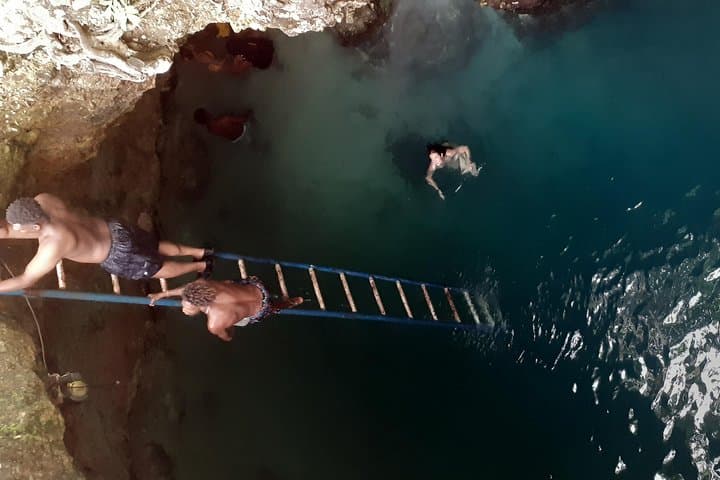
This short cultural-and-nature circuit pairs a field visit with local Rastafari residents—an informal herb garden tour where attendants explain traditional uses and show products made from local plants—with a stop at a compact, limestone-encased Blue Hole Mineral Spring. The spring drops to roughly 35 feet; its shallow rim offers room to sit, wade, or climb down an iron ladder while staff and thrill-seekers demonstrate dives. The mineral-rich water has long been valued here for skin and relaxation treatments.
Geologically, the spring sits where limestone has dissolved into a bowl, concentrating minerals and creating clear, cool water that tempts swimmers. Culturally, the visit offers a direct look at everyday Jamaican life—simple homes, artisanal herbs, and a gift shop for locally made souvenirs.
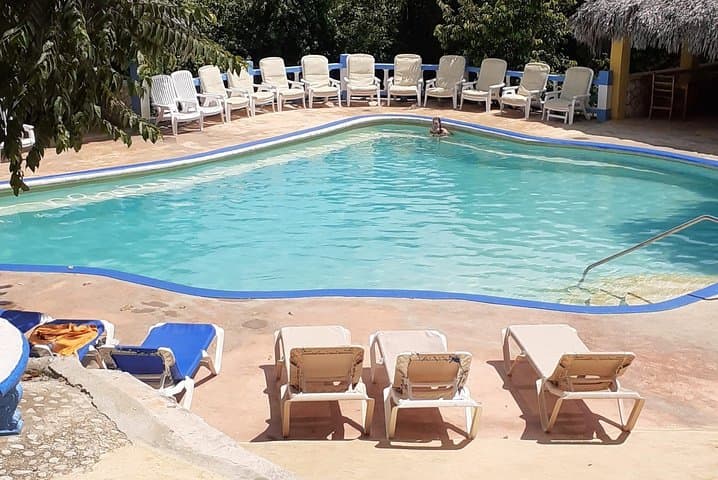
Practical guidance: plan for a half- to full-day outing, bring swim shoes, reef-safe sunscreen, and cash for purchases and tips. Expect uneven ground at the spring, respectful dress for the village visit, and the chance to combine light swimming with a relaxed cultural exchange—an approachable, sensory trip into Jamaica’s inland character.
easy.
1–5 hours.
Suitable for most fitness levels; involves short walks on uneven limestone and optional ladder-assisted entry into water.
Tours run between about 1 and 5 hours depending on pickup location and how long you spend at each stop; most guests choose a half-day schedule.
Yes—there are shallow edges for wading and an iron ladder for safe entry; some guests jump from supervised spots if they choose.
Yes; infants must sit on an adult’s lap during transport and parents should supervise children at the spring.
Yes—private hotel pickup and drop-off in Montego Bay are included in the tour package.
The area’s limestone springs formed over millennia; local Rastafari communities maintain herbal traditions that draw on African and Caribbean botanical knowledge.
Guests are asked to use reef-safe products and avoid introducing soaps into the spring; supporting local vendors helps keep economic benefits in the community.
Jamaica Hidden Treasures operates guided outdoor trips and adventures with an emphasis on safety, stewardship, and memorable experiences.
A cool wind pushes across the rutted country road as the private car climbs out of Montego Bay toward the green ribs of Westmoreland. The drive through Negril’s hills opens into fields and low limestone bluffs; you can feel the island’s geology change underfoot as the guide points out herbs growing wild at the edge of a Rastafari community.
A cool wind pushes across the rutted country road as the private car climbs out of Montego Bay toward the green ribs of Westmoreland. The drive through Negril’s hills opens into fields and low limestone bluffs; you can feel the island’s geology change underfoot as the guide points out herbs growing wild at the edge of a Rastafari community.
This short cultural-and-nature circuit pairs a field visit with local Rastafari residents—an informal herb garden tour where attendants explain traditional uses and show products made from local plants—with a stop at a compact, limestone-encased Blue Hole Mineral Spring. The spring drops to roughly 35 feet; its shallow rim offers room to sit, wade, or climb down an iron ladder while staff and thrill-seekers demonstrate dives. The mineral-rich water has long been valued here for skin and relaxation treatments.
Geologically, the spring sits where limestone has dissolved into a bowl, concentrating minerals and creating clear, cool water that tempts swimmers. Culturally, the visit offers a direct look at everyday Jamaican life—simple homes, artisanal herbs, and a gift shop for locally made souvenirs.
Practical guidance: plan for a half- to full-day outing, bring swim shoes, reef-safe sunscreen, and cash for purchases and tips. Expect uneven ground at the spring, respectful dress for the village visit, and the chance to combine light swimming with a relaxed cultural exchange—an approachable, sensory trip into Jamaica’s inland character.