THE ADVENTURE COLLECTIVE® · Independent discovery and booking for outdoor travel

Spend a full day from Sarandë visiting the Blue Eye spring, St. Nicholas Monastery, UNESCO-listed Gjirokastër and Lëkurësi Castle. This compact circuit pairs dramatic karst geology with Ottoman architecture and coastal panoramas.
Spend a full day from Sarandë visiting the Blue Eye spring, St. Nicholas Monastery, UNESCO-listed Gjirokastër and Lëkurësi Castle. This compact circuit pairs dramatic karst geology with Ottoman architecture and coastal panoramas.
A morning van eases out of Sarandë and the Ionian light slants across olive terraces as the driver points the road inland. Within an hour the landscape tightens: limestone ridges, scrub pocked with whitewashed farmhouses, and finally the Blue Eye — a circular spring whose blue center dares you to guess its depth.
Verified experiences and guided adventures in the surrounding area.
Operated by sunny_rungalbania tours&rental · Sarandë, Vlorë
A morning van eases out of Sarandë and the Ionian light slants across olive terraces as the driver points the road inland. Within an hour the landscape tightens: limestone ridges, scrub pocked with whitewashed farmhouses, and finally the Blue Eye — a circular spring whose blue center dares you to guess its depth.
The route stitches together distinct chapters of southern Albania. At Mesopotam the St. Nicholas Monastery speaks to Byzantine craft and medieval liturgy—its double apse a reminder of shifting rites. The Blue Eye (Syri i Kaltër) is a karst spring fed by subterranean fissures; divers have probed fifty metres and still find more mystery. Gjirokastër arrives like a stone book: Ottoman-era houses, cobbled streets and a fortress that records the town’s strategic place between coast and interior. Lëkurësi Castle, perched above Sarandë, hands back panoramic views of the bay as daylight flattens into late afternoon.
Expect short walks, uneven paving and stairs in old towns, plus an hour or two at each stop depending on traffic and season. Guides typically provide context on geology and local customs, and transport is usually air-conditioned. Practical plans: bring sturdy shoes for cobbles and terraces, sun protection for coastal viewpoints, and a refillable bottle for long drives. Timing matters—start early to avoid heat and tourist queues and allow daylight for Lëkurësi’s lookout. For travelers who want a compact primer on Albania’s geology and history, this one-day circuit pairs natural spectacle with living heritage in a single, well-paced outing.
easy.
6–8 hours.
Suitable for most fitness levels; able to walk on uneven surfaces and climb short flights of stairs
The tour lasts about 6–8 hours with 1–2 hours spent at major stops; the pace is relaxed with short walks at each location.
Some tours include admission while others do not—confirm with the operator; expect separate fees for certain attractions.
Swimming rules change by season and management; follow local signage and guide instructions—parts of the spring are protected and off-limits.
Yes—it's rated easy and suitable for most ages, though there are stairs and short uneven sections that may be challenging for limited mobility.
Gjirokastër’s stone houses and fortress reflect Ottoman-era urban design; the town became a UNESCO World Heritage Site in 2005 for its preservation of vernacular architecture.
The Blue Eye is a fragile karst spring sensitive to pollution and overuse—visitors should avoid entering restricted areas, dispose of waste properly, and stick to marked trails.
sunny_rungalbania tours&rental operates guided outdoor trips and adventures with an emphasis on safety, stewardship, and memorable experiences.
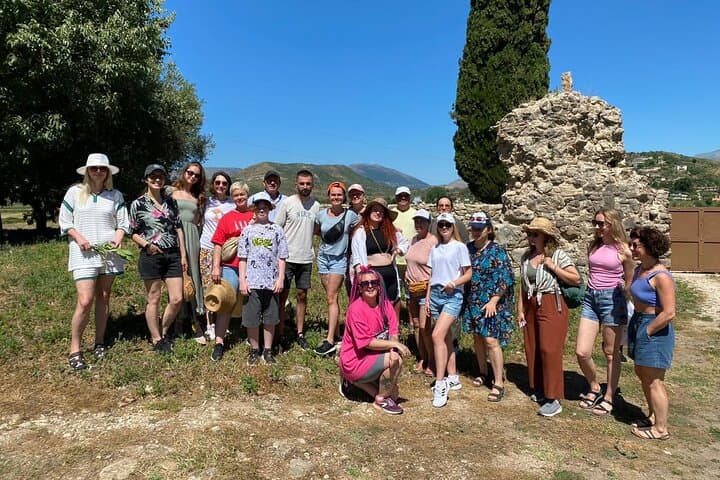
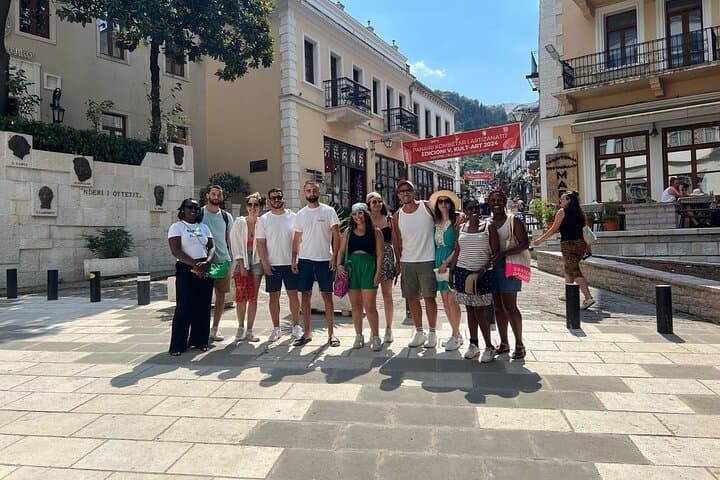
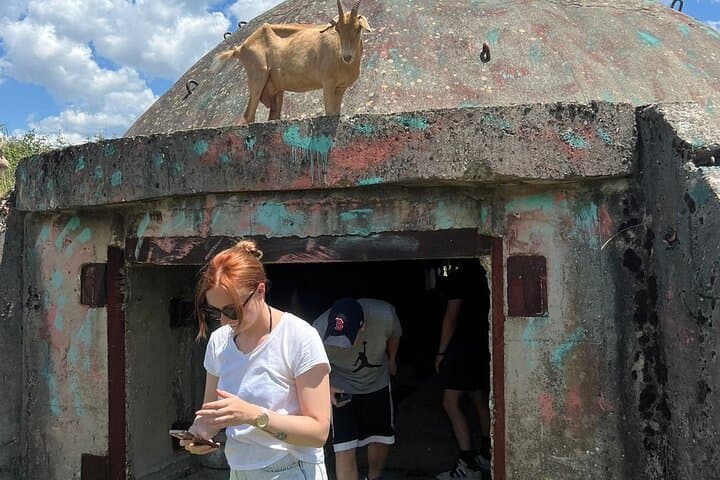
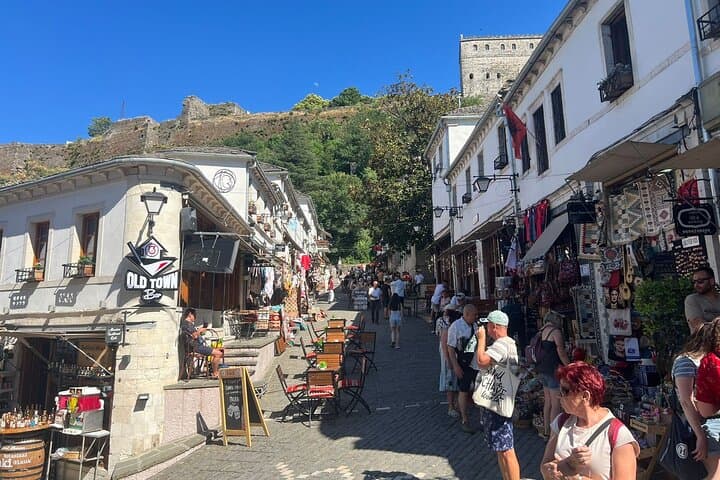
A morning van eases out of Sarandë and the Ionian light slants across olive terraces as the driver points the road inland. Within an hour the landscape tightens: limestone ridges, scrub pocked with whitewashed farmhouses, and finally the Blue Eye — a circular spring whose blue center dares you to guess its depth.
A morning van eases out of Sarandë and the Ionian light slants across olive terraces as the driver points the road inland. Within an hour the landscape tightens: limestone ridges, scrub pocked with whitewashed farmhouses, and finally the Blue Eye — a circular spring whose blue center dares you to guess its depth.
The route stitches together distinct chapters of southern Albania. At Mesopotam the St. Nicholas Monastery speaks to Byzantine craft and medieval liturgy—its double apse a reminder of shifting rites. The Blue Eye (Syri i Kaltër) is a karst spring fed by subterranean fissures; divers have probed fifty metres and still find more mystery. Gjirokastër arrives like a stone book: Ottoman-era houses, cobbled streets and a fortress that records the town’s strategic place between coast and interior. Lëkurësi Castle, perched above Sarandë, hands back panoramic views of the bay as daylight flattens into late afternoon.
Expect short walks, uneven paving and stairs in old towns, plus an hour or two at each stop depending on traffic and season. Guides typically provide context on geology and local customs, and transport is usually air-conditioned. Practical plans: bring sturdy shoes for cobbles and terraces, sun protection for coastal viewpoints, and a refillable bottle for long drives. Timing matters—start early to avoid heat and tourist queues and allow daylight for Lëkurësi’s lookout. For travelers who want a compact primer on Albania’s geology and history, this one-day circuit pairs natural spectacle with living heritage in a single, well-paced outing.