THE ADVENTURE COLLECTIVE® · Independent discovery and booking for outdoor travel

Visit two of southern Albania’s standout sights in a single half-day outing: the cobalt Blue Eye spring and the panoramic ramparts of Lekuresi Castle above Saranda. Expect short walks, dramatic viewpoints and clear practical tips for timing and gear.
Visit two of southern Albania’s standout sights in a single half-day outing: the cobalt Blue Eye spring and the panoramic ramparts of Lekuresi Castle above Saranda. Expect short walks, dramatic viewpoints and clear practical tips for timing and gear.
You arrive on a narrow road where the pines thin and the air tastes of freshwater and sea salt mingled — the Blue Eye’s pool sits like a liquid gemstone, a circular hole that drinks light and spits back impossible blue. The spring’s current seems to breathe, pushing fine sediment and daring you to stand at the edge and measure its depth with your eyes.
Verified experiences and guided adventures in the surrounding area.
Operated by My Tour in Albania · Saranda, Vlorë County
You arrive on a narrow road where the pines thin and the air tastes of freshwater and sea salt mingled — the Blue Eye’s pool sits like a liquid gemstone, a circular hole that drinks light and spits back impossible blue. The spring’s current seems to breathe, pushing fine sediment and daring you to stand at the edge and measure its depth with your eyes.
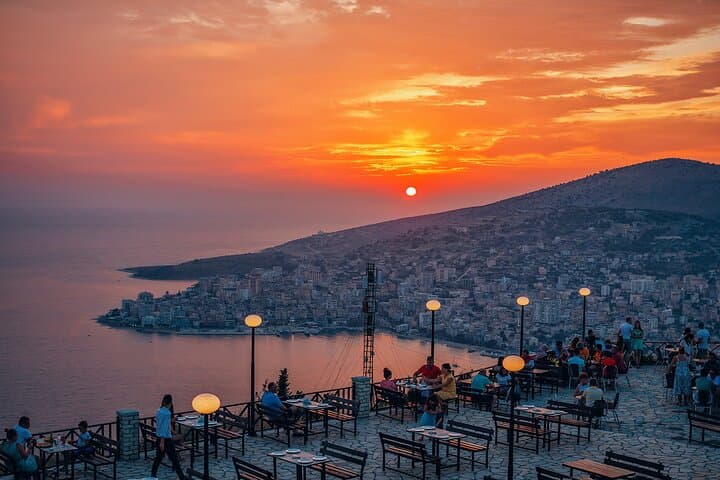
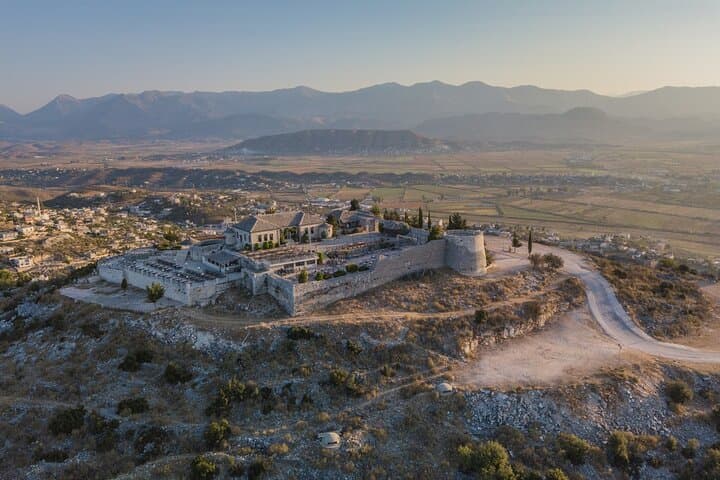
A short drive down a coastal ridge brings you to Lekuresi Castle, where stone walls keep watch over Saranda, the Butrint lagoon and, on clear days, the silhouette of Corfu. The castle’s terraces were tightened into the Ottoman-era defensive network and later adapted by local leaders; from here the geology changes from karst sinkholes to limestone cliffs and olive terraces that tell the region’s layered history.
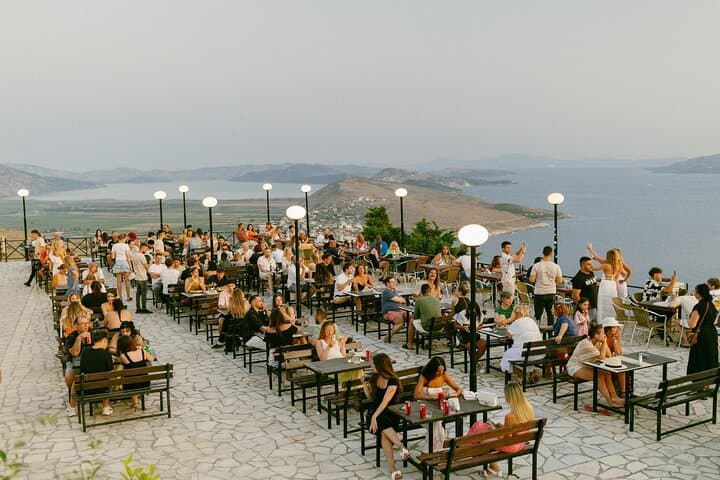
Expect a mix of short walks and viewpoints rather than long hikes: the Blue Eye requires a brief, careful approach along uneven paths; Lekuresi’s ramparts are stepped and sometimes steep. Culture is close at hand — seaside cafés in Saranda and the touch of Ionian trade routes in local cuisine.
Practical guidance: plan for three hours, bring sturdy shoes for wet, rocky ground, and a light layer for wind on the castle terrace. Photography is rewarding in the low morning or late afternoon light; avoid trampling vegetation or entering restricted spring areas. The trip is short on technical demands but rich in sensory contrast — cold spring, warm stone, and a horizon that pulls your eyes toward Greece.
moderate.
3 hours.
Comfortable walking fitness with ability to manage short steep steps and uneven trails.
Swimming is often discouraged or restricted to protect the karst spring and for visitor safety; follow local signage and guide instructions.
Short sections are manageable, but uneven ground and some steps mean supervision and sensible footwear are needed; those with mobility issues may find parts difficult.
This depends on the tour operator; independent visitors usually pay a small entry fee at the Blue Eye and may pay for any castle access or parking.
The sites are a short drive from Saranda; many visitors use guided minivans or taxis for convenience and local insight.
Lekuresi Castle dates to the Ottoman period and later served as a local stronghold; the area reflects centuries of Ionian trade and coastal settlement.
The Blue Eye is a fragile karst spring system — stay on trails, avoid contaminating water, and support local conservation rules to reduce visitor impact.
My Tour in Albania operates guided outdoor trips and adventures with an emphasis on safety, stewardship, and memorable experiences.
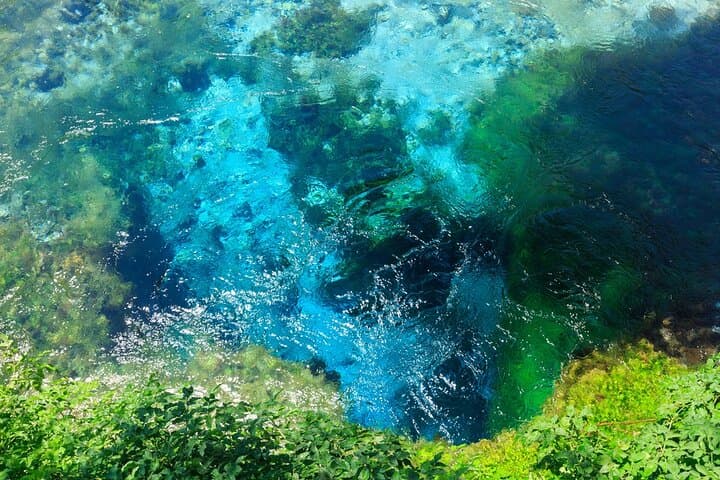
You arrive on a narrow road where the pines thin and the air tastes of freshwater and sea salt mingled — the Blue Eye’s pool sits like a liquid gemstone, a circular hole that drinks light and spits back impossible blue. The spring’s current seems to breathe, pushing fine sediment and daring you to stand at the edge and measure its depth with your eyes.
You arrive on a narrow road where the pines thin and the air tastes of freshwater and sea salt mingled — the Blue Eye’s pool sits like a liquid gemstone, a circular hole that drinks light and spits back impossible blue. The spring’s current seems to breathe, pushing fine sediment and daring you to stand at the edge and measure its depth with your eyes.
A short drive down a coastal ridge brings you to Lekuresi Castle, where stone walls keep watch over Saranda, the Butrint lagoon and, on clear days, the silhouette of Corfu. The castle’s terraces were tightened into the Ottoman-era defensive network and later adapted by local leaders; from here the geology changes from karst sinkholes to limestone cliffs and olive terraces that tell the region’s layered history.
Expect a mix of short walks and viewpoints rather than long hikes: the Blue Eye requires a brief, careful approach along uneven paths; Lekuresi’s ramparts are stepped and sometimes steep. Culture is close at hand — seaside cafés in Saranda and the touch of Ionian trade routes in local cuisine.
Practical guidance: plan for three hours, bring sturdy shoes for wet, rocky ground, and a light layer for wind on the castle terrace. Photography is rewarding in the low morning or late afternoon light; avoid trampling vegetation or entering restricted spring areas. The trip is short on technical demands but rich in sensory contrast — cold spring, warm stone, and a horizon that pulls your eyes toward Greece.