THE ADVENTURE COLLECTIVE® · Independent discovery and booking for outdoor travel

Walk through Willemstad’s painted streets to a working distillery, then taste the historic blue liqueur that helped put Curaçao on the map. This compact 4-hour tour pairs easy urban walking with cultural context and local flavors.
Walk through Willemstad’s painted streets to a working distillery, then taste the historic blue liqueur that helped put Curaçao on the map. This compact 4-hour tour pairs easy urban walking with cultural context and local flavors.
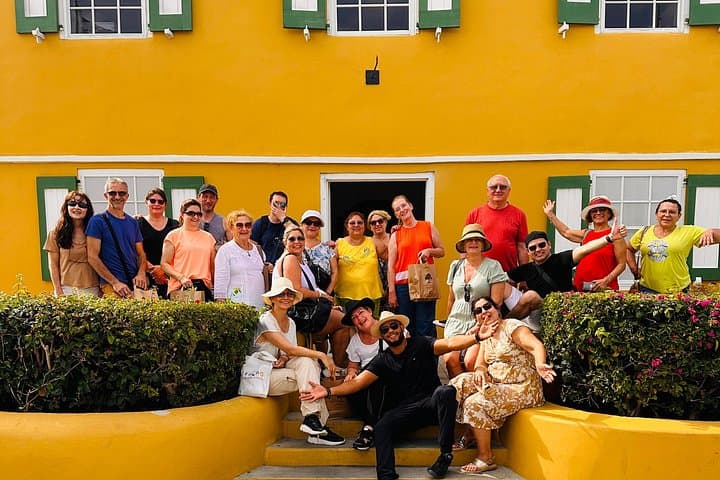
The tour begins on a sun-warmed street in Willemstad, where the sea-scented breeze pushes you toward the squat white façade of Landhuis Chobolobo. Inside, copper stills and oak barrels give way to the unmistakable electric blue of Curaçao liqueur — tangible proof that local flavor can shape a place’s global identity.
Verified experiences and guided adventures in the surrounding area.
Operated by Tour Hopping Curacao · Willemstad, Curaçao
The tour begins on a sun-warmed street in Willemstad, where the sea-scented breeze pushes you toward the squat white façade of Landhuis Chobolobo. Inside, copper stills and oak barrels give way to the unmistakable electric blue of Curaçao liqueur — tangible proof that local flavor can shape a place’s global identity.
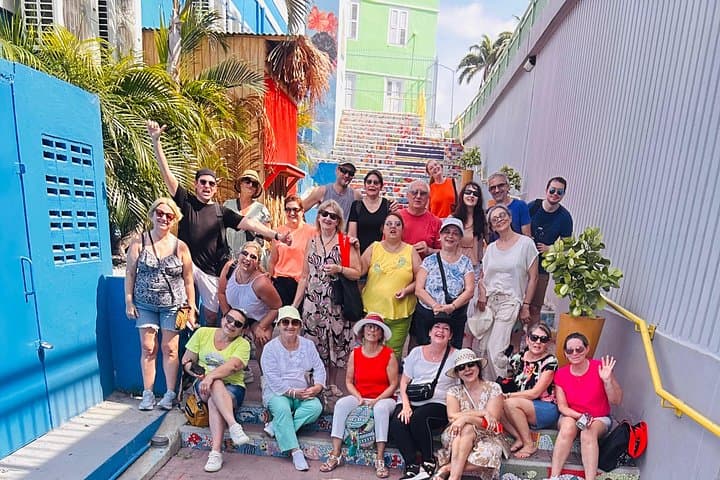
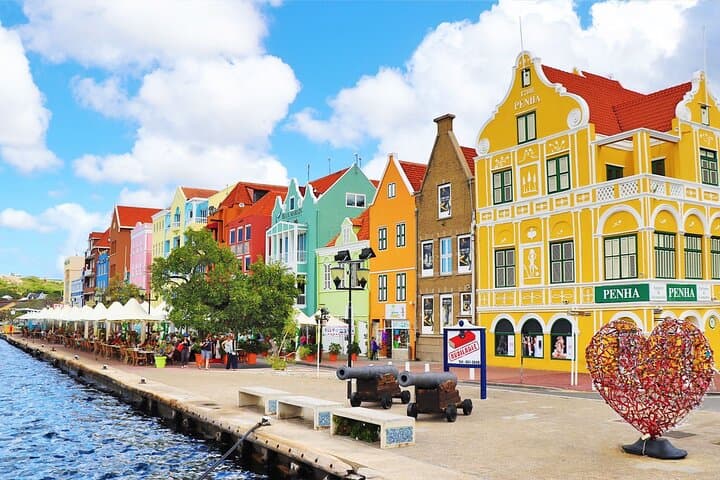
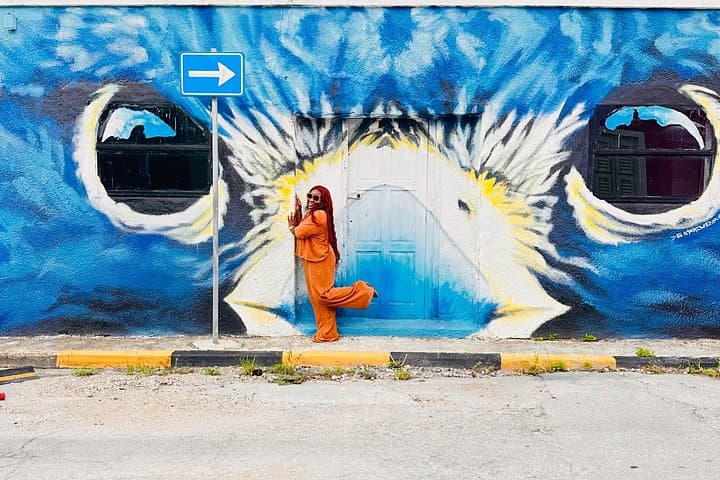
This four-hour loop moves between production and neighborhood. At the distillery you’ll follow a straightforward fermentation and maceration process that evolved here after 1896, then sample the original blue Curacao. From there the guide ushers you through Otrobanda and Punda, districts defined by Dutch colonial gables, narrow alleys, and outdoor murals that tell stories of trade, migration, and Creole life.
Geology peeks through in limestone outcrops and coral-based foundations that shaped settlement patterns and harbor locations. Culture arrives via the small plazas, the floating pontoon bridge, and Gomes Plein market stalls selling local snacks and crafts — all places where language, food, and port history meet.
Practical side: plan for shade and steps. The itinerary includes short walks on uneven pavement, several photo stops, and at least one steep viewpoint at Queen Juliana Bridge. Bring sunscreen, a refillable bottle, and modest cash for market souvenirs. Expect a gentle urban pace with sensory highlights — bright paint, rum aroma, and harbor breezes — ideal for travelers who want history, hands-on tasting, and a compact introduction to Curaçao’s civic character.
easy.
3–4 hours.
Suitable for most fitness levels; requires short walks and standing during tastings
Yes — the standard tour includes free tastings at the Curacao liqueur distillery so you can sample the original blue Curacao.
The operator lists wheelchair-accessible areas and transport, but some historic sidewalks can be uneven; contact the provider to confirm specific access needs.
This shared tour accommodates up to 45 travelers, offering a social group experience with a guide.
Guides typically speak English; other languages may be available on request — check during booking.
The distillery at Landhuis Chobolobo dates its commercial production to the late 19th century; its flavored liqueur became an island hallmark tied to Willemstad’s port economy.
Willemstad’s colonial district is a UNESCO World Heritage area; stay on marked paths, avoid touching painted facades, and support local vendors to keep tourism sustainable.
Tour Hopping Curacao operates guided outdoor trips and adventures with an emphasis on safety, stewardship, and memorable experiences.
The tour begins on a sun-warmed street in Willemstad, where the sea-scented breeze pushes you toward the squat white façade of Landhuis Chobolobo. Inside, copper stills and oak barrels give way to the unmistakable electric blue of Curaçao liqueur — tangible proof that local flavor can shape a place’s global identity.
The tour begins on a sun-warmed street in Willemstad, where the sea-scented breeze pushes you toward the squat white façade of Landhuis Chobolobo. Inside, copper stills and oak barrels give way to the unmistakable electric blue of Curaçao liqueur — tangible proof that local flavor can shape a place’s global identity.
This four-hour loop moves between production and neighborhood. At the distillery you’ll follow a straightforward fermentation and maceration process that evolved here after 1896, then sample the original blue Curacao. From there the guide ushers you through Otrobanda and Punda, districts defined by Dutch colonial gables, narrow alleys, and outdoor murals that tell stories of trade, migration, and Creole life.
Geology peeks through in limestone outcrops and coral-based foundations that shaped settlement patterns and harbor locations. Culture arrives via the small plazas, the floating pontoon bridge, and Gomes Plein market stalls selling local snacks and crafts — all places where language, food, and port history meet.
Practical side: plan for shade and steps. The itinerary includes short walks on uneven pavement, several photo stops, and at least one steep viewpoint at Queen Juliana Bridge. Bring sunscreen, a refillable bottle, and modest cash for market souvenirs. Expect a gentle urban pace with sensory highlights — bright paint, rum aroma, and harbor breezes — ideal for travelers who want history, hands-on tasting, and a compact introduction to Curaçao’s civic character.