THE ADVENTURE COLLECTIVE® · Independent discovery and booking for outdoor travel

Drive the Rif Mountains to reach Chefchaouen’s famous blue medina on a private day trip from Tarifa. Expect scenic passes, steep cobbled alleys and cultural highlights like Outa el Hammam and Ras el-Ma.
Drive the Rif Mountains to reach Chefchaouen’s famous blue medina on a private day trip from Tarifa. Expect scenic passes, steep cobbled alleys and cultural highlights like Outa el Hammam and Ras el-Ma.
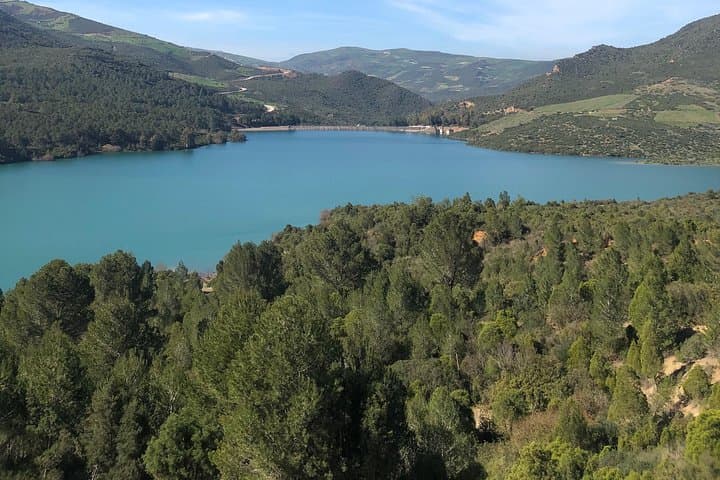
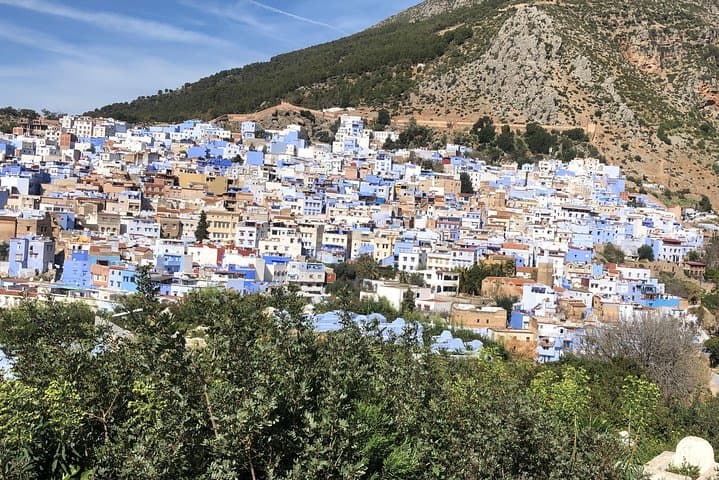
By mid-morning the minibus slips away from Tarifa and the salt-scented air gives way to pine and sun-baked rock as the Rif Mountains rise up around the road. The town appears like a smudge of powder blue clinging to a hillside, alleys stacked one above another and terraces looking out over a folded valley.
Verified experiences and guided adventures in the surrounding area.
Operated by Omar Private Day Tours · Chefchaouen, Tanger-Tetouan-Al Hoceima
By mid-morning the minibus slips away from Tarifa and the salt-scented air gives way to pine and sun-baked rock as the Rif Mountains rise up around the road. The town appears like a smudge of powder blue clinging to a hillside, alleys stacked one above another and terraces looking out over a folded valley.
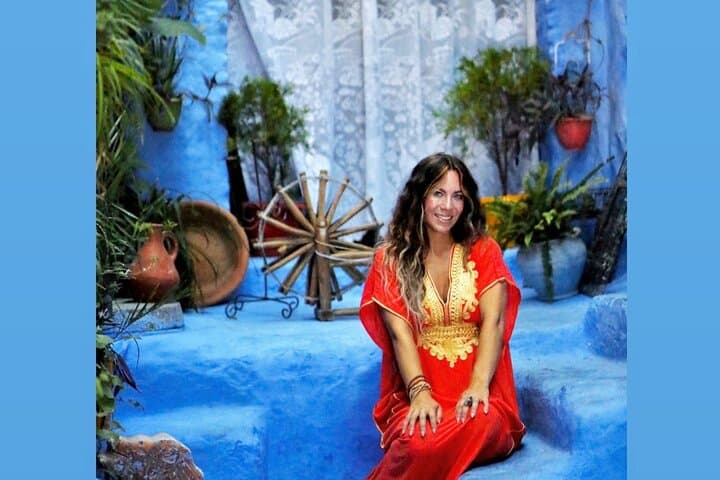
Founded in the 15th century by Andalusian refugees, Chefchaouen blends Berber and Iberian threads: whitewashed buildings, angled rooftop terraces and a kasbah with Portuguese-built towers. Geologically the Rif is a young, folded mountain range of limestone and sandstone; springs such as Ras el-Ma spill cool water from the rocks and push life into the medina’s edge. Culture here is tactile — tilework, callused hands at dye pots and the ritual of mint tea served on sunlit terraces.
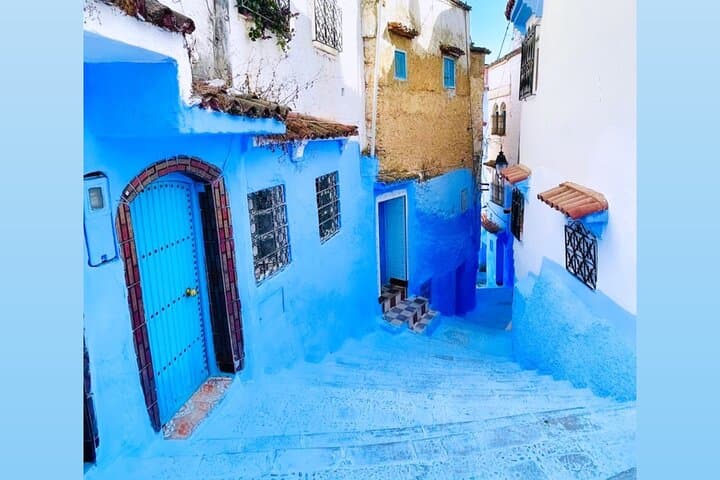
Expect roughly 8–9 hours total, with about 2.5–3 hours travel each way depending on border traffic. The town sits around 560–600 m above sea level; medina walking is short but steep in sections, cobbles and steps requiring steady shoes. Highlights include Outa el Hammam square, Bab El Ain gate, the kasbah museum and the Ras el-Ma spring; a short climb to the Spanish Mosque viewpoint rewards panoramic Rif views.
Practical guidance: carry your passport and Moroccan dirham, wear grippy footwear for uneven alleys, and plan for midday heat in summer or brisk mornings in shoulder seasons. A private guide trims logistics — leave time for a leisurely tagine and tea on a rooftop before the return to Tarifa.
moderate.
8–9 hours.
Moderate fitness for a long day: sitting for the drive and short but steep walking on uneven surfaces.
Plan on about 2.5–3 hours one way depending on ferry/border traffic; the full excursion is typically 8–9 hours.
Visa requirements depend on your nationality—most travelers need a passport; check Morocco entry rules before booking.
The tour transport and some public areas are accessible, but the narrow, stepped medina is not suitable for wheelchairs or strollers.
This listing includes lunch and tea, but notify the operator of dietary restrictions when booking to arrange alternatives.
Chefchaouen was founded in 1471 by Moorish and Andalusian exiles and later absorbed influences from Iberian architecture and Rif tribal culture.
Tourism concentrates in the medina; support local artisans, avoid single-use plastics and follow signs to protect fragile water springs and historic plaster.
Omar Private Day Tours operates guided outdoor trips and adventures with an emphasis on safety, stewardship, and memorable experiences.
By mid-morning the minibus slips away from Tarifa and the salt-scented air gives way to pine and sun-baked rock as the Rif Mountains rise up around the road. The town appears like a smudge of powder blue clinging to a hillside, alleys stacked one above another and terraces looking out over a folded valley.
By mid-morning the minibus slips away from Tarifa and the salt-scented air gives way to pine and sun-baked rock as the Rif Mountains rise up around the road. The town appears like a smudge of powder blue clinging to a hillside, alleys stacked one above another and terraces looking out over a folded valley.
Founded in the 15th century by Andalusian refugees, Chefchaouen blends Berber and Iberian threads: whitewashed buildings, angled rooftop terraces and a kasbah with Portuguese-built towers. Geologically the Rif is a young, folded mountain range of limestone and sandstone; springs such as Ras el-Ma spill cool water from the rocks and push life into the medina’s edge. Culture here is tactile — tilework, callused hands at dye pots and the ritual of mint tea served on sunlit terraces.
Expect roughly 8–9 hours total, with about 2.5–3 hours travel each way depending on border traffic. The town sits around 560–600 m above sea level; medina walking is short but steep in sections, cobbles and steps requiring steady shoes. Highlights include Outa el Hammam square, Bab El Ain gate, the kasbah museum and the Ras el-Ma spring; a short climb to the Spanish Mosque viewpoint rewards panoramic Rif views.
Practical guidance: carry your passport and Moroccan dirham, wear grippy footwear for uneven alleys, and plan for midday heat in summer or brisk mornings in shoulder seasons. A private guide trims logistics — leave time for a leisurely tagine and tea on a rooftop before the return to Tarifa.