THE ADVENTURE COLLECTIVE® · Independent discovery and booking for outdoor travel

Travel north through Morocco’s imperial cities and the blue alleys of Chefchaouen on a nine-day cultural circuit. Expect medina walks, Roman ruins, Atlantic capes and mountain air, with practical tips for navigating markets and transfers.
Travel north through Morocco’s imperial cities and the blue alleys of Chefchaouen on a nine-day cultural circuit. Expect medina walks, Roman ruins, Atlantic capes and mountain air, with practical tips for navigating markets and transfers.
You step off the minibus into a corridor of cobalt alleys—Chefchaouen's blue walls refract the late-afternoon light and the air tastes faintly of cedar smoke and citrus. Beyond the painted lanes, the Rif Mountains rise in folded ridges; to the north the Atlantic pushes and pulls at the coastline around Tangier and Cape Spartel. Over nine days you'll move from cosmopolitan Casablanca through imperial Rabat, Tangier's capes and caves, Spanish-inflected Tetouan, the blue medina of Chefchaouen, Roman Volubilis, and the layered medina of Fez.
Verified experiences and guided adventures in the surrounding area.
Operated by We Travel · Chefchaouen, Tanger-Tetouan-Al Hoceima
You step off the minibus into a corridor of cobalt alleys—Chefchaouen's blue walls refract the late-afternoon light and the air tastes faintly of cedar smoke and citrus. Beyond the painted lanes, the Rif Mountains rise in folded ridges; to the north the Atlantic pushes and pulls at the coastline around Tangier and Cape Spartel. Over nine days you'll move from cosmopolitan Casablanca through imperial Rabat, Tangier's capes and caves, Spanish-inflected Tetouan, the blue medina of Chefchaouen, Roman Volubilis, and the layered medina of Fez.
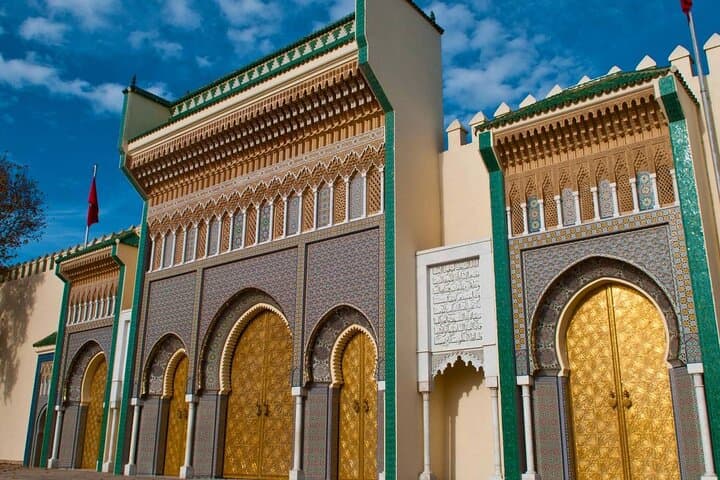
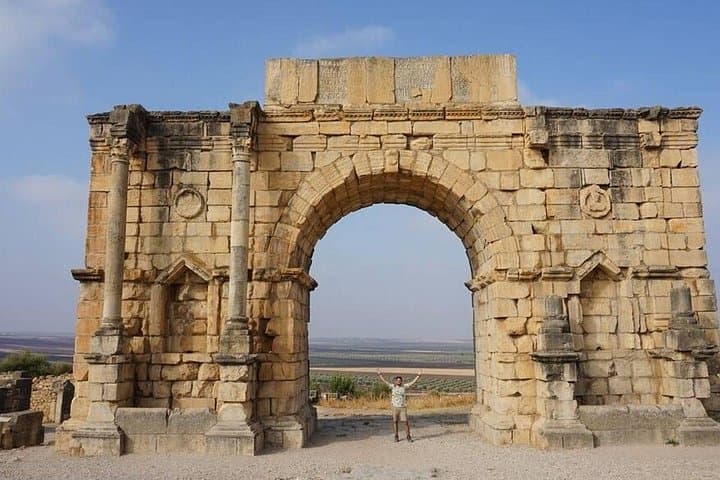
This route threads centuries of crossroads: Punic and Roman ruins at Volubilis, Almohad and Alaouite palaces in Rabat and Meknes, Andalusian architecture and Berber craft in Chefchaouen and Tetouan. Geologically, the Rif is a young, folded belt—steep ravines give way to terraced orchards—while the Atlantic coast offers limestone capes and wave-worn caves such as Hercules Cave.
Expect immersive medina walking, short village climbs (Chefchaouen sits around 600–700 m elevation), and multiple transfers by coach covering roughly 900–1,200 km in total. Sound planning helps: pack breathable layers and modest clothing for religious sites, a sturdy pair of walking shoes for cobbled alleys, and a small daypack for market purchases. Morning light is best for photography and market bargaining; afternoons are ideal for coastal viewpoints. Carry local currency (Moroccan dirham), bring a refillable bottle—the tour provides water in portions—and allow time to linger in riads to recover between drives. This is a cultural travel rhythm: observe, taste, walk, and let the landscape nudge your pace.
easy.
9 days.
Suitable for travelers in average fitness; ability to walk 1–3 miles on uneven surfaces daily is helpful
Arabic (Darija) and Amazigh are common; French and some Spanish are widely understood in northern towns and by guides.
Some sites and museum fees are included per the itinerary, but expect to pay small additional fees at certain palaces or museums.
Daily activity includes short to moderate walking in medinas and sites—plan for multiple short walks totaling 1–3 miles most days.
The itinerary includes uneven surfaces, steps, and occasional uphill walks; it may be challenging for those needing continuous wheelchair access.
Northern Morocco bears traces of Phoenician, Roman, Andalusian and later Alaouite rule—Volubilis and the medinas show layered urban histories.
Popular medinas face wear from heavy foot traffic; support riads and local artisans and avoid single-use plastics to reduce your impact.
We Travel operates guided outdoor trips and adventures with an emphasis on safety, stewardship, and memorable experiences.
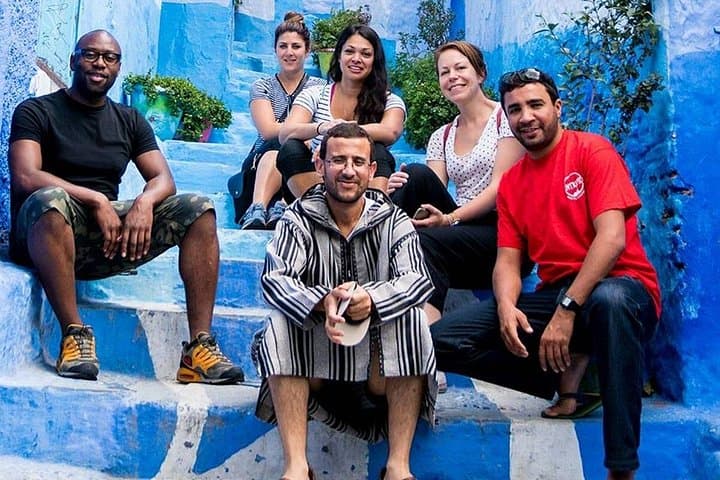
You step off the minibus into a corridor of cobalt alleys—Chefchaouen's blue walls refract the late-afternoon light and the air tastes faintly of cedar smoke and citrus. Beyond the painted lanes, the Rif Mountains rise in folded ridges; to the north the Atlantic pushes and pulls at the coastline around Tangier and Cape Spartel. Over nine days you'll move from cosmopolitan Casablanca through imperial Rabat, Tangier's capes and caves, Spanish-inflected Tetouan, the blue medina of Chefchaouen, Roman Volubilis, and the layered medina of Fez.
You step off the minibus into a corridor of cobalt alleys—Chefchaouen's blue walls refract the late-afternoon light and the air tastes faintly of cedar smoke and citrus. Beyond the painted lanes, the Rif Mountains rise in folded ridges; to the north the Atlantic pushes and pulls at the coastline around Tangier and Cape Spartel. Over nine days you'll move from cosmopolitan Casablanca through imperial Rabat, Tangier's capes and caves, Spanish-inflected Tetouan, the blue medina of Chefchaouen, Roman Volubilis, and the layered medina of Fez.
This route threads centuries of crossroads: Punic and Roman ruins at Volubilis, Almohad and Alaouite palaces in Rabat and Meknes, Andalusian architecture and Berber craft in Chefchaouen and Tetouan. Geologically, the Rif is a young, folded belt—steep ravines give way to terraced orchards—while the Atlantic coast offers limestone capes and wave-worn caves such as Hercules Cave.
Expect immersive medina walking, short village climbs (Chefchaouen sits around 600–700 m elevation), and multiple transfers by coach covering roughly 900–1,200 km in total. Sound planning helps: pack breathable layers and modest clothing for religious sites, a sturdy pair of walking shoes for cobbled alleys, and a small daypack for market purchases. Morning light is best for photography and market bargaining; afternoons are ideal for coastal viewpoints. Carry local currency (Moroccan dirham), bring a refillable bottle—the tour provides water in portions—and allow time to linger in riads to recover between drives. This is a cultural travel rhythm: observe, taste, walk, and let the landscape nudge your pace.