THE ADVENTURE COLLECTIVE® · Independent discovery and booking for outdoor travel

Skim past Dubrovnik’s walls to the electric blues of Koločep’s sea caves and the sandy shallows of Lopud’s Sunj beach on a 4‑hour small-group speedboat. Snorkel, swim, and learn local maritime history while a skipper navigates coves and calm channels.
Skim past Dubrovnik’s walls to the electric blues of Koločep’s sea caves and the sandy shallows of Lopud’s Sunj beach on a 4‑hour small-group speedboat. Snorkel, swim, and learn local maritime history while a skipper navigates coves and calm channels.
The hull cuts a silver line across the Adriatic as Dubrovnik's city walls shrink into the stern and the open sea takes the lead.
Verified experiences and guided adventures in the surrounding area.
Operated by Boat hire Dubrovnik - private speedboat tours to Elafiti islands · Dubrovnik, Dubrovnik-Neretva County
The hull cuts a silver line across the Adriatic as Dubrovnik's city walls shrink into the stern and the open sea takes the lead.
On this compact speedboat outing, travelers cross from the harbor toward the Elaphiti archipelago, skimming to Koločep where the Blue and Green caves throw light into the rock like a staged reveal. The caves are geologic slices of the Dalmatian coast—limestone cliffs pocked by wave action and undercut arches that focus sunlight into electric blues. From there the boat pushes on to Lopud: a gentle island of pine-shaded trails and Sunj, a rare stretch of sand and shallow water that invites long, easy wading and the local game of picigin—players nudging the ball away from the friendly grasp of the sea.
Historically this coast fed the maritime republic of Ragusa; stone harbors and olive terraces on the islands carry that working history into the present. The cultural rhythm is relaxed—skippers point out defensive towers and small chapels while fishermen still mend nets at quays.
Practical notes: the trip runs about four hours, with stops for cave viewing and beach time; snorkeling equipment is provided. Expect short boat transfers and some movement on deck—bring a wind layer and leave valuables in a dry bag. Travel in morning light for calmer seas and better cave color, and always follow the skipper’s guidance on entering caves and shallow reefs to protect fragile Posidonia beds.
moderate.
3–4 hours.
Moderate fitness; able to board small boats, climb short rocky steps and swim for short periods.
Yes—snorkeling equipment is included; bring your own mask if you prefer a personal fit.
Children may join but infants must sit on an adult’s lap; operators recommend moderate fitness for all participants.
Most departures leave from a central harbor near the Old Town; local buses and taxis serve the waterfront—arrive 15–30 minutes early.
Entry depends on sea conditions and the skipper’s safety assessment; sometimes boats only pass by for viewing rather than full cave entry.
The Elaphiti islands supported small fishing and olive‑growing communities tied to the maritime Republic of Ragusa; many stone quarries and chapels date to that era.
Tour operators emphasize avoiding anchoring on Posidonia meadows and minimizing trampling on dune grasses; use reef‑safe products to reduce chemical impact.
Boat hire Dubrovnik - private speedboat tours to Elafiti islands operates guided outdoor trips and adventures with an emphasis on safety, stewardship, and memorable experiences.
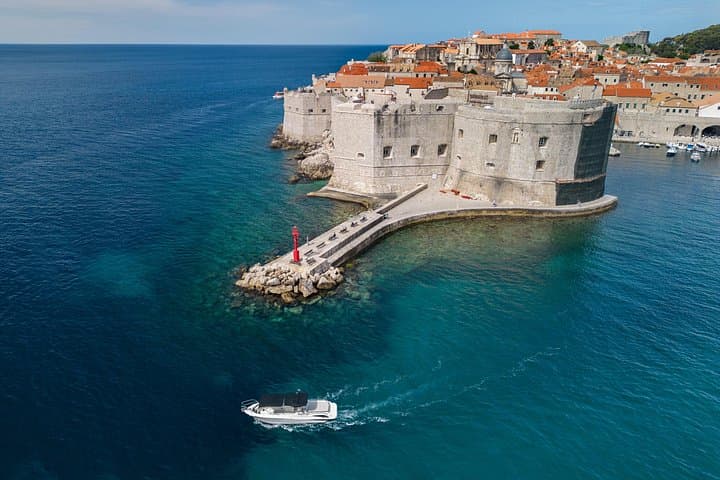
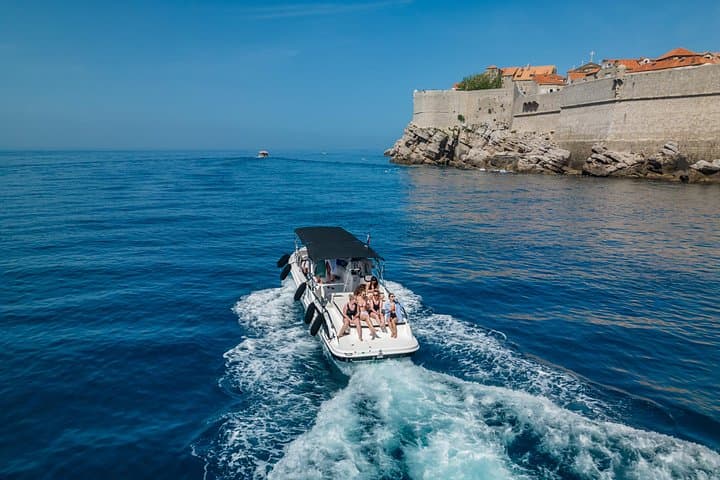
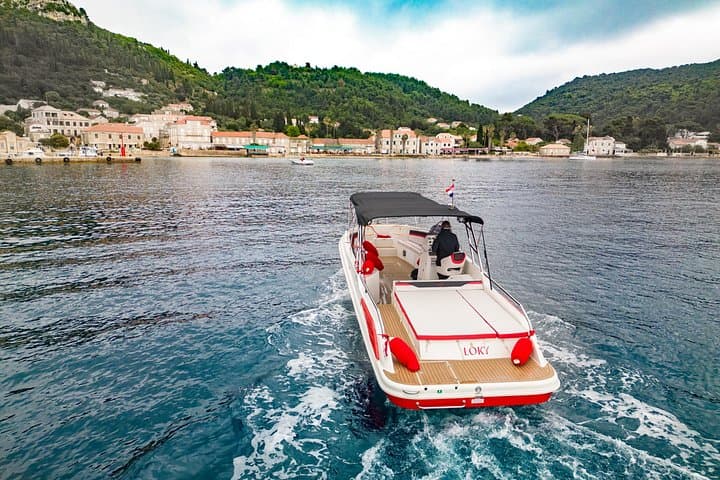
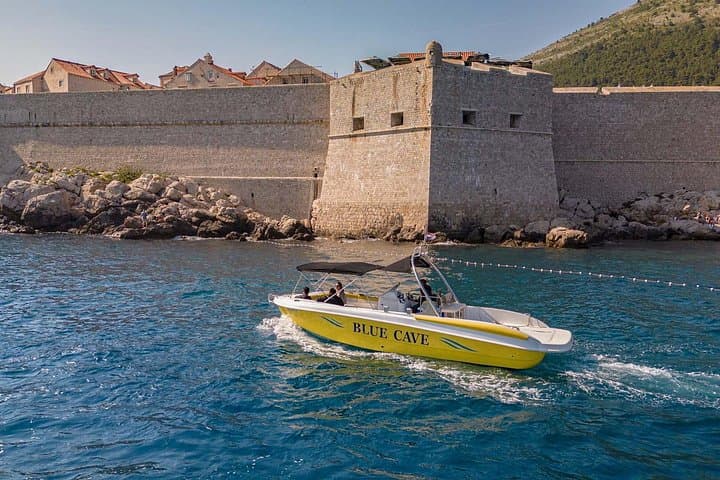
The hull cuts a silver line across the Adriatic as Dubrovnik's city walls shrink into the stern and the open sea takes the lead.
The hull cuts a silver line across the Adriatic as Dubrovnik's city walls shrink into the stern and the open sea takes the lead.
On this compact speedboat outing, travelers cross from the harbor toward the Elaphiti archipelago, skimming to Koločep where the Blue and Green caves throw light into the rock like a staged reveal. The caves are geologic slices of the Dalmatian coast—limestone cliffs pocked by wave action and undercut arches that focus sunlight into electric blues. From there the boat pushes on to Lopud: a gentle island of pine-shaded trails and Sunj, a rare stretch of sand and shallow water that invites long, easy wading and the local game of picigin—players nudging the ball away from the friendly grasp of the sea.
Historically this coast fed the maritime republic of Ragusa; stone harbors and olive terraces on the islands carry that working history into the present. The cultural rhythm is relaxed—skippers point out defensive towers and small chapels while fishermen still mend nets at quays.
Practical notes: the trip runs about four hours, with stops for cave viewing and beach time; snorkeling equipment is provided. Expect short boat transfers and some movement on deck—bring a wind layer and leave valuables in a dry bag. Travel in morning light for calmer seas and better cave color, and always follow the skipper’s guidance on entering caves and shallow reefs to protect fragile Posidonia beds.