THE ADVENTURE COLLECTIVE® · Independent discovery and booking for outdoor travel

Board a short boat ride from Ryukyu Mura and glide into the electric blue light of Cape Maeda's Blue Cave. This three-hour snorkeling trip combines easy logistics with vivid underwater scenery—perfect for photographers and first-time snorkelers alike.
Board a short boat ride from Ryukyu Mura and glide into the electric blue light of Cape Maeda's Blue Cave. This three-hour snorkeling trip combines easy logistics with vivid underwater scenery—perfect for photographers and first-time snorkelers alike.
You step from a shaded parking lot at Ryukyu Mura and the sea coughs up a briny breeze that smells like salt and rusted coral. After a quick transfer—ten minutes to the dive shop, five to the port—you’re on a boat that slices toward the Blue Cave, Cape Maeda’s famous aperture where sunlight filters through seawater and paints the limestone walls electric blue. The entry is intimate: a narrow mouth, a brief boat drift, then the world compresses into shafts of color and schools of fish that treat the cave like a cathedral.
Verified experiences and guided adventures in the surrounding area.
Operated by Cerulean Blue Okinawa · Onna, Okinawa
You step from a shaded parking lot at Ryukyu Mura and the sea coughs up a briny breeze that smells like salt and rusted coral. After a quick transfer—ten minutes to the dive shop, five to the port—you’re on a boat that slices toward the Blue Cave, Cape Maeda’s famous aperture where sunlight filters through seawater and paints the limestone walls electric blue. The entry is intimate: a narrow mouth, a brief boat drift, then the world compresses into shafts of color and schools of fish that treat the cave like a cathedral.
The cave and the surrounding reefs are fragments of Okinawa’s complex geological past. Volcanic islands uplifted and then eroded by waves created jagged cliffs and submerged caverns; inside those cavities, the play of angle and depth turns ordinary seawater into the Blue Cave’s signature glow. Culturally, this stretch of Onna has been part of the Ryukyu coastline for centuries—fishing hamlets, wartime shelters, and coastal rituals all left traces on the shore. Today the region balances tourism and tradition; you meet at a parking lot guarded by a large Shisa lion-dog, a reminder that this is still Ryukyu country.
On the water, the package is straightforward: check-in, safety briefing, wetsuit and boot fittings (marine boots and life jackets are mandatory), a short boat ride and roughly 40 minutes in the water. Conditions dictate whether the boat threads inside the cave or whether you explore nearby reefs instead; the cave’s narrow entrance is susceptible to wind and swell, and operators will reroute for safety without refund.
Practicalities matter: the whole outing runs about three hours, so plan a light breakfast and hydrate before arrival. Expect minimal walking—most transitions are short transfers—but be prepared for slippery surfaces when changing. Operators include showers, towels and complimentary toiletries, and GoPro rentals are available if you want crisp underwater footage. Age limits and health restrictions are strict: participants under five or over sixty, pregnant travelers, and people with serious heart or spinal conditions are not permitted.
Visibility is best on calm, sunlit mornings; late afternoon can soften the glow but provide warmer light for photos. Reef etiquette is non-negotiable—do not touch or stand on coral, use reef-safe sunscreen, and avoid chasing wildlife. After the swim, take the included hour for a shower and a stroll to Zanehama Beach for a different coastal perspective before returning to Ryukyu Mura. The trip feels compact but deliberate: it’s an intense encounter with Okinawa’s marine life and geology, served with local hospitality and practical safeguards so you leave with memories—and no dents in the reef.
moderate.
3 hours.
Moderate fitness: comfortable swimming skills and basic mobility for boarding and shallow water entry required.
Meet at Ryukyu Mura in front of the large Shisa statue in the parking lot; transfers to the dive shop and port are included.
Not always—the entrance is narrow and dependent on wind and swell; if conditions block entry, the guide will snorkel nearby reefs instead.
Yes: wetsuit, life jacket and marine boots are included and mandatory; snorkels and masks are provided as well.
Yes: participants must be between 5 and 60 years old and in moderate health; pregnancy, serious heart, respiratory or spinal conditions are disqualifying.
Operators may reroute to alternate snorkeling sites if the cave is inaccessible; refunds are not provided for changed entry points, though tours cancel for severe weather with a refund if 24+ hours notice is given.
Many operators offer GoPro rentals and sometimes photo services—ask during booking or at check-in.
The coastline around Maeda formed from uplifted reef and volcanic activity and sits within Okinawa’s Ryukyu cultural sphere, where fishing and sea rituals have long shaped local life.
Coral reefs here are fragile—operators enforce no-touch rules and encourage reef-safe sunscreen; avoid anchoring on reefs and follow guides' instructions to minimize impact.
Cerulean Blue Okinawa operates guided outdoor trips and adventures with an emphasis on safety, stewardship, and memorable experiences.
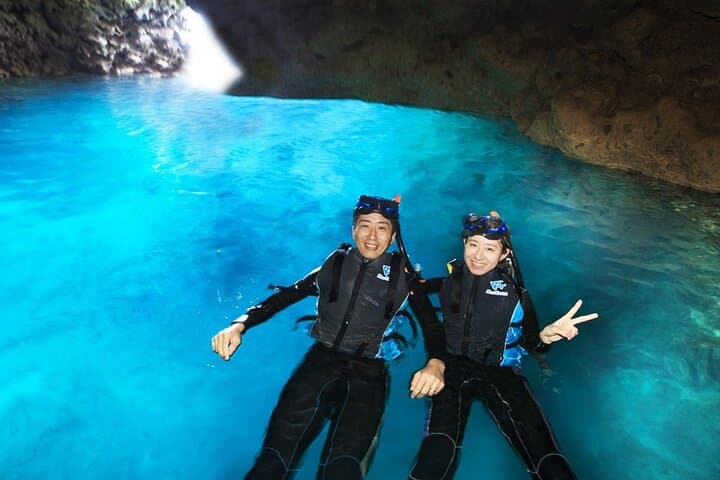
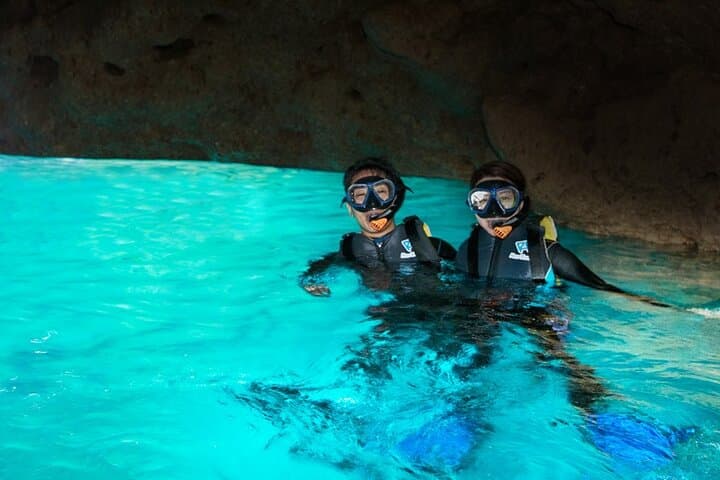
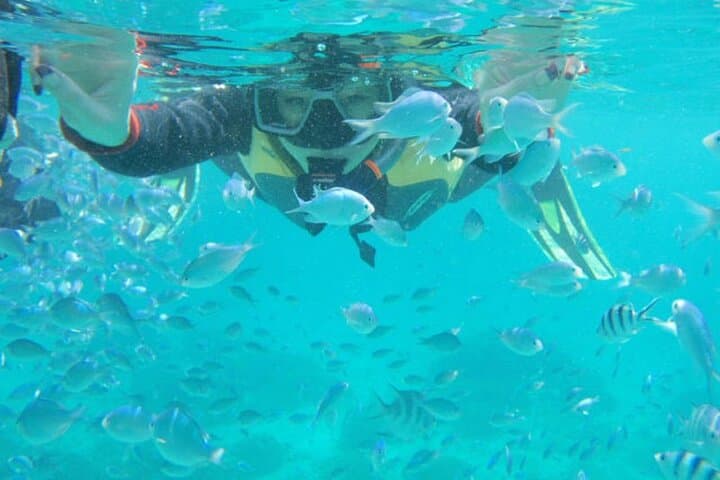
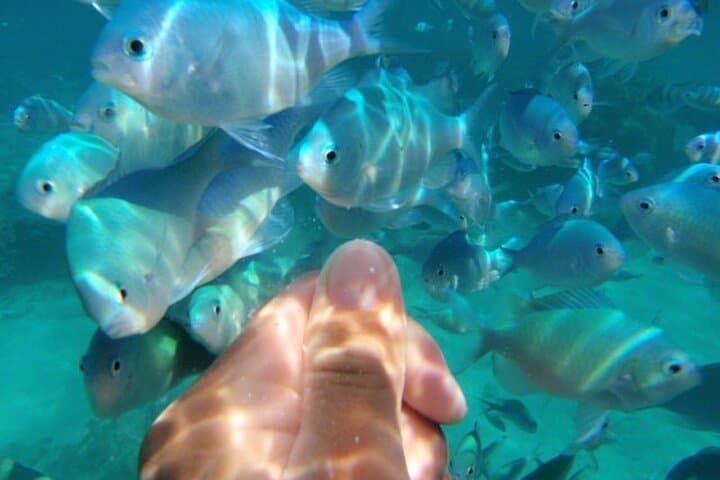
You step from a shaded parking lot at Ryukyu Mura and the sea coughs up a briny breeze that smells like salt and rusted coral. After a quick transfer—ten minutes to the dive shop, five to the port—you’re on a boat that slices toward the Blue Cave, Cape Maeda’s famous aperture where sunlight filters through seawater and paints the limestone walls electric blue. The entry is intimate: a narrow mouth, a brief boat drift, then the world compresses into shafts of color and schools of fish that treat the cave like a cathedral.
You step from a shaded parking lot at Ryukyu Mura and the sea coughs up a briny breeze that smells like salt and rusted coral. After a quick transfer—ten minutes to the dive shop, five to the port—you’re on a boat that slices toward the Blue Cave, Cape Maeda’s famous aperture where sunlight filters through seawater and paints the limestone walls electric blue. The entry is intimate: a narrow mouth, a brief boat drift, then the world compresses into shafts of color and schools of fish that treat the cave like a cathedral.
The cave and the surrounding reefs are fragments of Okinawa’s complex geological past. Volcanic islands uplifted and then eroded by waves created jagged cliffs and submerged caverns; inside those cavities, the play of angle and depth turns ordinary seawater into the Blue Cave’s signature glow. Culturally, this stretch of Onna has been part of the Ryukyu coastline for centuries—fishing hamlets, wartime shelters, and coastal rituals all left traces on the shore. Today the region balances tourism and tradition; you meet at a parking lot guarded by a large Shisa lion-dog, a reminder that this is still Ryukyu country.
On the water, the package is straightforward: check-in, safety briefing, wetsuit and boot fittings (marine boots and life jackets are mandatory), a short boat ride and roughly 40 minutes in the water. Conditions dictate whether the boat threads inside the cave or whether you explore nearby reefs instead; the cave’s narrow entrance is susceptible to wind and swell, and operators will reroute for safety without refund.
Practicalities matter: the whole outing runs about three hours, so plan a light breakfast and hydrate before arrival. Expect minimal walking—most transitions are short transfers—but be prepared for slippery surfaces when changing. Operators include showers, towels and complimentary toiletries, and GoPro rentals are available if you want crisp underwater footage. Age limits and health restrictions are strict: participants under five or over sixty, pregnant travelers, and people with serious heart or spinal conditions are not permitted.
Visibility is best on calm, sunlit mornings; late afternoon can soften the glow but provide warmer light for photos. Reef etiquette is non-negotiable—do not touch or stand on coral, use reef-safe sunscreen, and avoid chasing wildlife. After the swim, take the included hour for a shower and a stroll to Zanehama Beach for a different coastal perspective before returning to Ryukyu Mura. The trip feels compact but deliberate: it’s an intense encounter with Okinawa’s marine life and geology, served with local hospitality and practical safeguards so you leave with memories—and no dents in the reef.