THE ADVENTURE COLLECTIVE® · Independent discovery and booking for outdoor travel

Board at Gruž and head for the Elaphiti archipelago where a narrow underwater opening turns seawater into an otherworldly blue. This half-day private boat tour combines a cave spectacle with beach time on Lopud and guided local insights.
Board at Gruž and head for the Elaphiti archipelago where a narrow underwater opening turns seawater into an otherworldly blue. This half-day private boat tour combines a cave spectacle with beach time on Lopud and guided local insights.
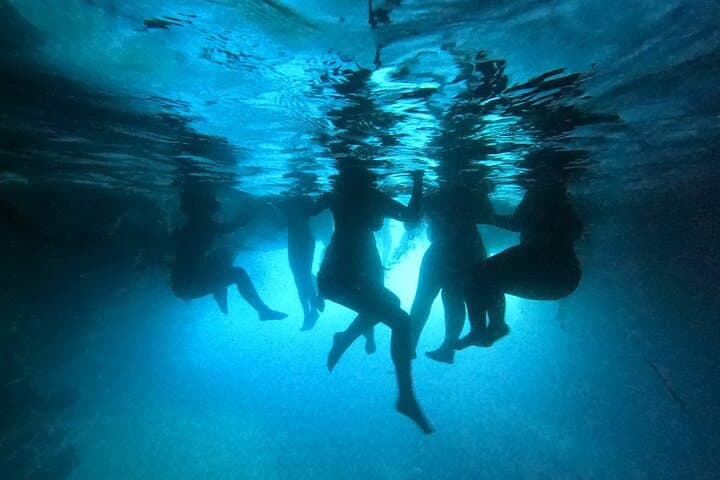
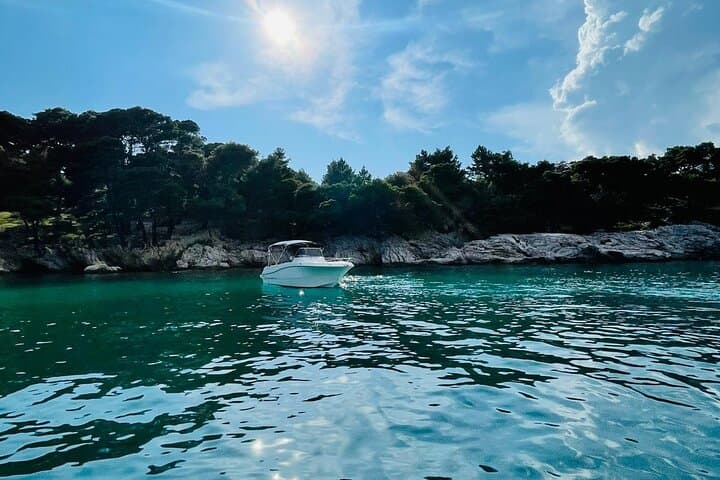
The boat slips from Gruž as sunlight threads the Adriatic; salt air presses at the rail and the Elaphiti islands grow like dark green notes on the horizon. Small coves cut into limestone cliffs, and the skipper eases into a narrow mouth where the sea turns an impossible blue — the cave's glow originates from sunlight refracting through an underwater opening and reflecting off the pale sand below, painting the walls with liquid color.
Verified experiences and guided adventures in the surrounding area.
Operated by Deboto Boat tours · Dubrovnik, Dubrovnik-Neretva County
The boat slips from Gruž as sunlight threads the Adriatic; salt air presses at the rail and the Elaphiti islands grow like dark green notes on the horizon. Small coves cut into limestone cliffs, and the skipper eases into a narrow mouth where the sea turns an impossible blue — the cave's glow originates from sunlight refracting through an underwater opening and reflecting off the pale sand below, painting the walls with liquid color.
These islands were shaped by karst limestone and millennia of Adriatic currents. Ragusan-era villas and simple fishing hamlets hint at a maritime past where Dubrovnik's republic sent boats for trade and refuge. Cultural traces appear in stone promenades and coastal chapels on Lopud; the Blue Cave itself is a geological trick of light and shallow seabed.
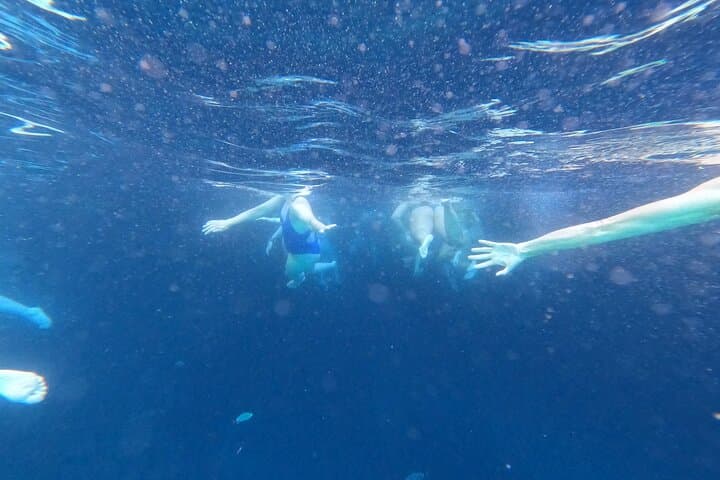
Expect shortshore stops for swimming and snorkeling at transparent water, and a lazy hour on Lopud's sandy Šunj Beach if the itinerary allows. Guides point out Posidonia meadows and advise against anchoring on seagrass — local conservation that keeps water clear and fish abundant. Dolphins are common offshore; seabirds wheel over the cliffs.
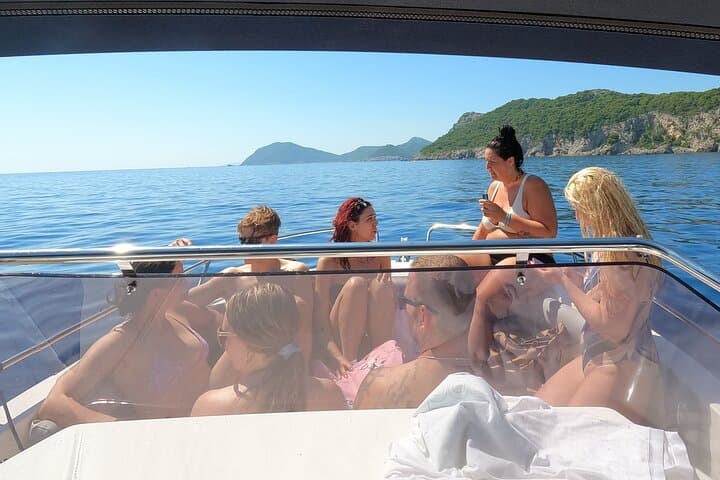
Practically, the trip is low-exertion: board carefully at Gruž, bring swimwear, sun protection, and a light wind layer for the return. Weather and sea state can alter the order of stops; the skipper will prioritize safety and the best light for the cave. For half-day adventurers wanting immediate coastal contrast — limestone cliffs, sheltered beaches, and a rare cave-lit spectacle — this route delivers vivid scenery with minimal fuss.
easy.
4 hours.
Suitable for most fitness levels; basic mobility to step on/off the boat and swim is helpful
Visits inside the Blue Cave are brief—typically 10–20 minutes—because only small boats can enter and pauses are timed to allow all groups to view safely.
Yes; the tour is family-friendly but infants must sit on an adult’s lap and children should be supervised during swim stops.
Yes, basic snorkeling gear is included; if you need a specific size or prescription mask, bring your own.
Operators monitor weather closely; tours may be rescheduled or route-adjusted for safety, and full refunds are usually available if cancelled due to weather.
The Elaphiti islands were part of the maritime economy of the Republic of Ragusa; stone houses and seaside promenades reflect centuries of seafaring and trade.
Avoid anchoring on Posidonia seagrass and refrain from touching cave walls; local operators follow rules to protect underwater habitats and maintain water clarity.
Deboto Boat tours operates guided outdoor trips and adventures with an emphasis on safety, stewardship, and memorable experiences.
The boat slips from Gruž as sunlight threads the Adriatic; salt air presses at the rail and the Elaphiti islands grow like dark green notes on the horizon. Small coves cut into limestone cliffs, and the skipper eases into a narrow mouth where the sea turns an impossible blue — the cave's glow originates from sunlight refracting through an underwater opening and reflecting off the pale sand below, painting the walls with liquid color.
The boat slips from Gruž as sunlight threads the Adriatic; salt air presses at the rail and the Elaphiti islands grow like dark green notes on the horizon. Small coves cut into limestone cliffs, and the skipper eases into a narrow mouth where the sea turns an impossible blue — the cave's glow originates from sunlight refracting through an underwater opening and reflecting off the pale sand below, painting the walls with liquid color.
These islands were shaped by karst limestone and millennia of Adriatic currents. Ragusan-era villas and simple fishing hamlets hint at a maritime past where Dubrovnik's republic sent boats for trade and refuge. Cultural traces appear in stone promenades and coastal chapels on Lopud; the Blue Cave itself is a geological trick of light and shallow seabed.
Expect shortshore stops for swimming and snorkeling at transparent water, and a lazy hour on Lopud's sandy Šunj Beach if the itinerary allows. Guides point out Posidonia meadows and advise against anchoring on seagrass — local conservation that keeps water clear and fish abundant. Dolphins are common offshore; seabirds wheel over the cliffs.
Practically, the trip is low-exertion: board carefully at Gruž, bring swimwear, sun protection, and a light wind layer for the return. Weather and sea state can alter the order of stops; the skipper will prioritize safety and the best light for the cave. For half-day adventurers wanting immediate coastal contrast — limestone cliffs, sheltered beaches, and a rare cave-lit spectacle — this route delivers vivid scenery with minimal fuss.