THE ADVENTURE COLLECTIVE® · Independent discovery and booking for outdoor travel

A full-day fast-boat excursion from Split that hits Biševo’s famed Blue Cave plus Stiniva, Budikovac, Hvar and Šolta. Expect multiple swims, short island stops and a packed 10-hour itinerary—best for travelers who want to maximize island time in one day.
A full-day fast-boat excursion from Split that hits Biševo’s famed Blue Cave plus Stiniva, Budikovac, Hvar and Šolta. Expect multiple swims, short island stops and a packed 10-hour itinerary—best for travelers who want to maximize island time in one day.
You step onto the Riva at dawn and the Adriatic is a sheet of glass—your fast boat cuts a clean wake west toward the archipelago, engines humming under a bright Dalmatian sky.
Verified experiences and guided adventures in the surrounding area.
Operated by Split Daily Tours · Split, Split-Dalmatia County
You step onto the Riva at dawn and the Adriatic is a sheet of glass—your fast boat cuts a clean wake west toward the archipelago, engines humming under a bright Dalmatian sky.
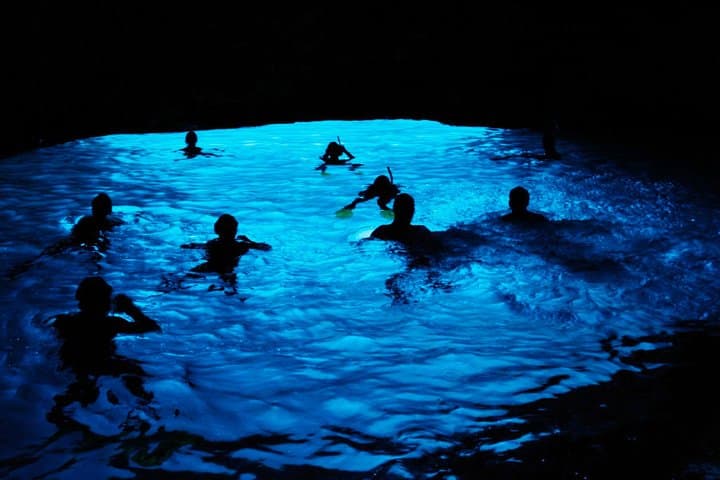
In one long day the tour threads islands that read like chapters of coastal Croatia: Biševo’s Blue Cave, the narrow Stiniva cove on Vis, Budikovac’s emerald lagoon, sun-slick Hvar town, and the quiet bays of Šolta. The Blue Cave (Modra špilja) is the headline: when light slants through an underwater opening it turns the chamber an eerie electric blue, an optical trick that made the cave famous in 19th-century travel accounts thanks to Baron Ransonnet’s publicity.
Geology here is karst limestone—sea-cut caves, steep cliffs and pebble beaches carved by millennia of wave action. Hvar adds cultural layers: Venetian walls, lavender fields above the harbor and an old town that feels lived-in rather than staged. Vis and Šolta are gentler, with fewer visitors and more fishing traditions.
Practically, expect a full 10-hour day aboard a fast, open boat with multiple short stops. Bring swimwear and a towel for scheduled swims and snorkeling; Blue Cave entry often requires a small separate fee and is subject to local boat limits. Wear water shoes for rocky landings, apply reef-safe sunscreen, and keep a light layer for wind on the return. Timing matters—morning light and calm seas make the cave at its clearest, while summer crowds peak midday.
easy.
10 hours.
Suitable for most fitness levels; you should be able to board small boats, climb short rocky landings and swim for brief periods.
No—Blue Cave has a separate local entry fee charged on-site; small tenders may also charge for cave transfers.
Yes, but children must be accompanied by an adult and boat operators set safety rules; strollers and small children may find rocky landings challenging.
Tours monitor conditions closely and may cancel or alter the itinerary for safety—refunds or rebooking options are typically offered if canceled for weather.
Basic masks/snorkels are usually provided on board, but bringing your own ensures fit and hygiene.
The Blue Cave gained international attention in the 19th century when Baron Ransonnet promoted it as a rival to Capri’s Grotta Azzurra, kickstarting tourism to Biševo.
Heavy boat traffic and sunscreen pollution can stress coastal ecosystems—choose operators who limit guest numbers and follow local waste rules.
Split Daily Tours operates guided outdoor trips and adventures with an emphasis on safety, stewardship, and memorable experiences.
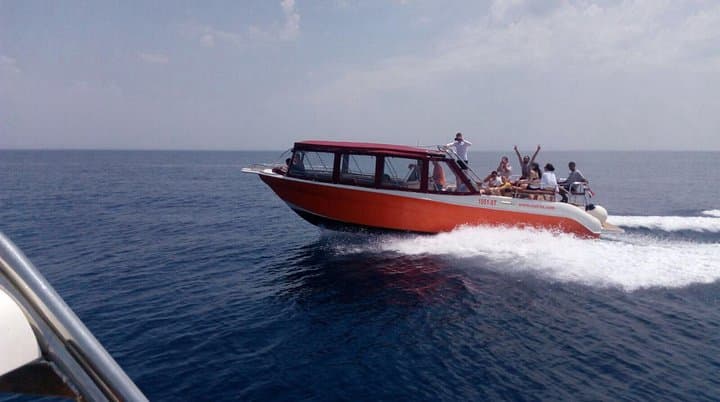
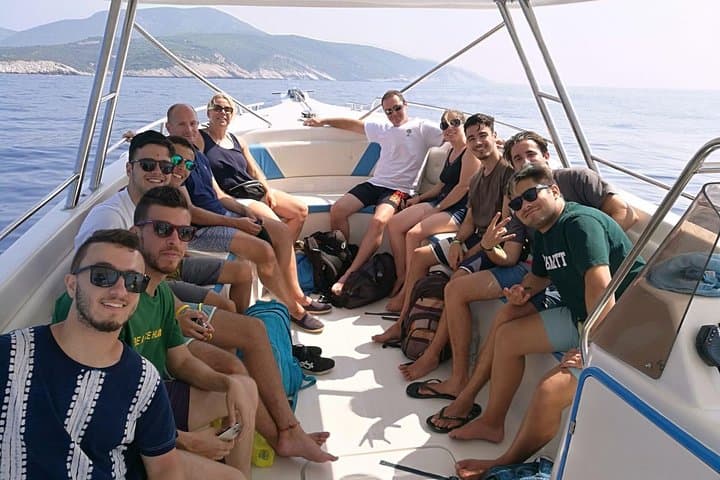
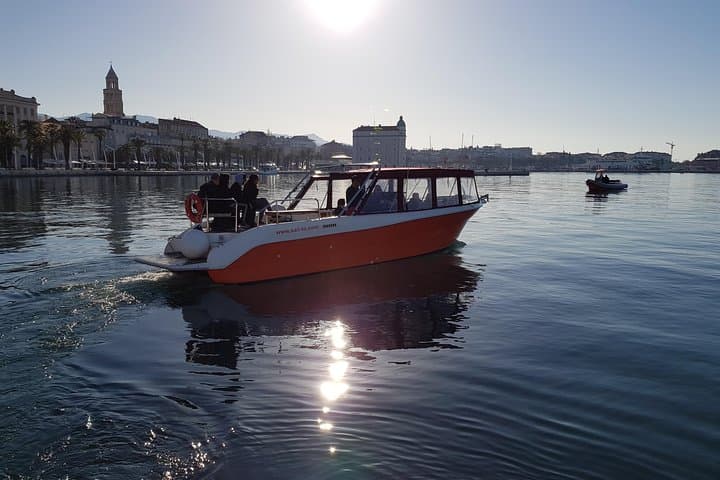
You step onto the Riva at dawn and the Adriatic is a sheet of glass—your fast boat cuts a clean wake west toward the archipelago, engines humming under a bright Dalmatian sky.
You step onto the Riva at dawn and the Adriatic is a sheet of glass—your fast boat cuts a clean wake west toward the archipelago, engines humming under a bright Dalmatian sky.
In one long day the tour threads islands that read like chapters of coastal Croatia: Biševo’s Blue Cave, the narrow Stiniva cove on Vis, Budikovac’s emerald lagoon, sun-slick Hvar town, and the quiet bays of Šolta. The Blue Cave (Modra špilja) is the headline: when light slants through an underwater opening it turns the chamber an eerie electric blue, an optical trick that made the cave famous in 19th-century travel accounts thanks to Baron Ransonnet’s publicity.
Geology here is karst limestone—sea-cut caves, steep cliffs and pebble beaches carved by millennia of wave action. Hvar adds cultural layers: Venetian walls, lavender fields above the harbor and an old town that feels lived-in rather than staged. Vis and Šolta are gentler, with fewer visitors and more fishing traditions.
Practically, expect a full 10-hour day aboard a fast, open boat with multiple short stops. Bring swimwear and a towel for scheduled swims and snorkeling; Blue Cave entry often requires a small separate fee and is subject to local boat limits. Wear water shoes for rocky landings, apply reef-safe sunscreen, and keep a light layer for wind on the return. Timing matters—morning light and calm seas make the cave at its clearest, while summer crowds peak midday.