THE ADVENTURE COLLECTIVE® · Independent discovery and booking for outdoor travel

Join a Blue Badge guide for a focused walking tour of Bath’s Georgian streets, then skip the line into the Roman Baths with a prebooked ticket. Expect 2–3 hours of history, architecture and warm spring water views.
Join a Blue Badge guide for a focused walking tour of Bath’s Georgian streets, then skip the line into the Roman Baths with a prebooked ticket. Expect 2–3 hours of history, architecture and warm spring water views.
You step out onto the honey‑coloured stone of Bath as a low mist lifts from the River Avon, your Blue Badge guide at the head of the group pointing out carved doorways and rooflines that map three millennia of occupation.
Verified experiences and guided adventures in the surrounding area.
Operated by Bath Walking Tours · Bath, Somerset
You step out onto the honey‑coloured stone of Bath as a low mist lifts from the River Avon, your Blue Badge guide at the head of the group pointing out carved doorways and rooflines that map three millennia of occupation.
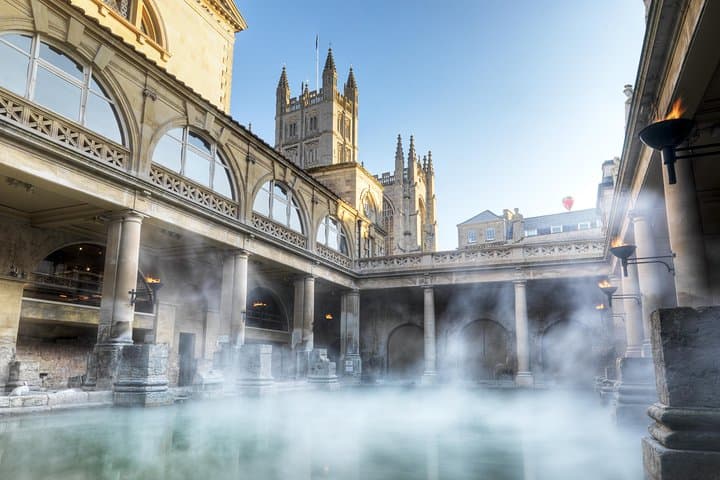
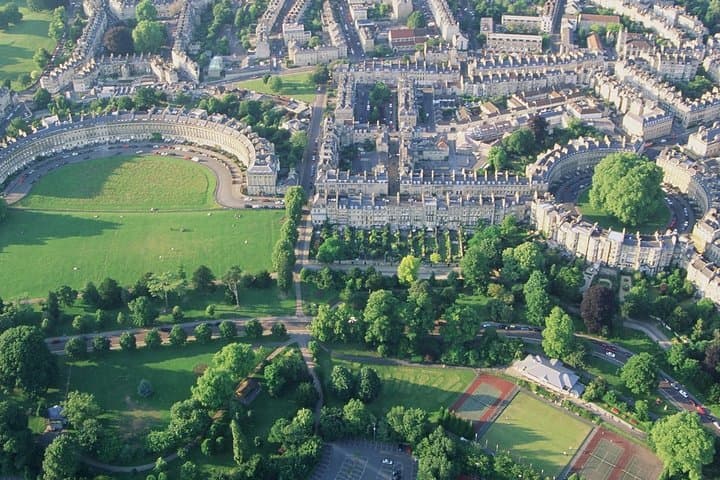
This 90–120 minute guided walk threads Georgian crescents, medieval lanes and the story of Bath’s thermal springs before delivering you to guaranteed, skip‑the‑line entry for a self‑guided 90‑minute visit to the Roman Baths. The baths themselves sit atop a geologic fault: warm, mineral‑rich water rises from deep sandstone, the same source the Romans engineered into bathing and ritual architecture nearly 2,000 years ago. Around the city, 18th‑century builders reshaped natural terraces into the classical facades Bath is known for, earning the center UNESCO World Heritage status.
Culturally, the tour ties Roman urban engineering to later Georgian civic ambitions and local families like the Pulteneys, while your guide explains how Bath fits into broader British history and landscape economics.
Practical notes: wear grippy walking shoes for mixed pavement and occasional cobbles, bring a charged phone for mobile tickets, and allow 2.5–3 hours total for the combined experience. The Roman Baths portion uses an audio guide; plan for steps and wet surfaces near the spring. Tours are wheelchair‑accessible in parts but check access points ahead.
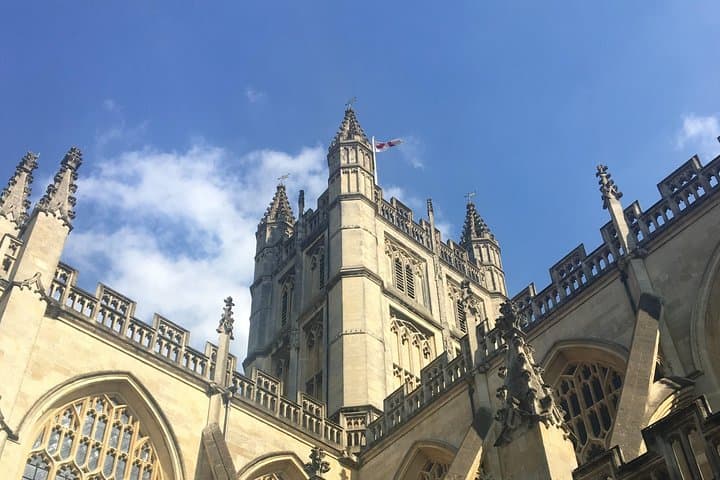
Timing advice: arrive early in high season to avoid crowds, expect guided commentary to pause frequently for photos and street noise, and leave time afterward to explore adjacent sites like Bath Abbey or a riverside café.
moderate.
2–3 hours.
Moderate fitness; walking on uneven pavement for up to 2 hours plus standing during the baths visit.
Plan for about 2.5–3 hours total: roughly 90–120 minutes of guided walking followed by 90 minutes self‑guided in the Roman Baths.
Tickets are mobile‑scanned. Save the emailed ticket and keep it accessible on your phone; printing is optional.
The tour and Roman Baths have wheelchair‑accessible routes, though some historic streets and internal steps mean certain areas are limited—check specific access points when booking.
Infants and children are welcome; strollers are manageable on most streets. Only assistance dogs are permitted inside the Roman Baths.
Bath grew from a Roman spa built around naturally warm mineral springs; later Georgian architects reshaped the city into the classical terraces and crescents seen today, earning UNESCO World Heritage status.
Visitor management is critical in Bath’s compact historic core—stick to marked paths, avoid touching ancient stonework, and use council recycling to reduce impact.
Bath Walking Tours operates guided outdoor trips and adventures with an emphasis on safety, stewardship, and memorable experiences.
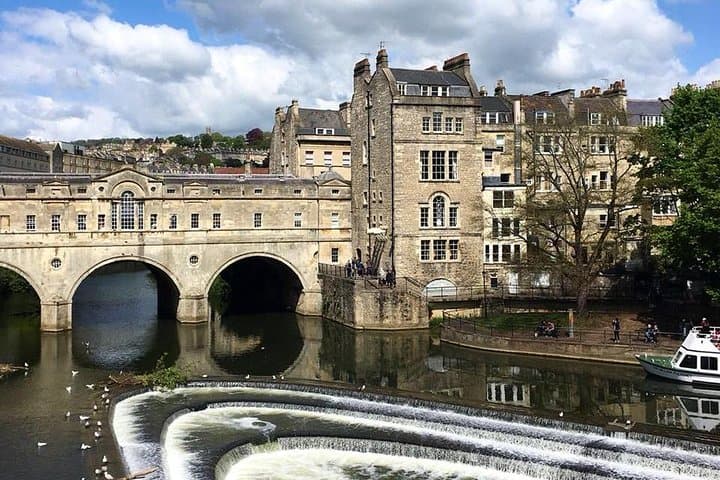
You step out onto the honey‑coloured stone of Bath as a low mist lifts from the River Avon, your Blue Badge guide at the head of the group pointing out carved doorways and rooflines that map three millennia of occupation.
You step out onto the honey‑coloured stone of Bath as a low mist lifts from the River Avon, your Blue Badge guide at the head of the group pointing out carved doorways and rooflines that map three millennia of occupation.
This 90–120 minute guided walk threads Georgian crescents, medieval lanes and the story of Bath’s thermal springs before delivering you to guaranteed, skip‑the‑line entry for a self‑guided 90‑minute visit to the Roman Baths. The baths themselves sit atop a geologic fault: warm, mineral‑rich water rises from deep sandstone, the same source the Romans engineered into bathing and ritual architecture nearly 2,000 years ago. Around the city, 18th‑century builders reshaped natural terraces into the classical facades Bath is known for, earning the center UNESCO World Heritage status.
Culturally, the tour ties Roman urban engineering to later Georgian civic ambitions and local families like the Pulteneys, while your guide explains how Bath fits into broader British history and landscape economics.
Practical notes: wear grippy walking shoes for mixed pavement and occasional cobbles, bring a charged phone for mobile tickets, and allow 2.5–3 hours total for the combined experience. The Roman Baths portion uses an audio guide; plan for steps and wet surfaces near the spring. Tours are wheelchair‑accessible in parts but check access points ahead.
Timing advice: arrive early in high season to avoid crowds, expect guided commentary to pause frequently for photos and street noise, and leave time afterward to explore adjacent sites like Bath Abbey or a riverside café.