THE ADVENTURE COLLECTIVE® · Independent discovery and booking for outdoor travel

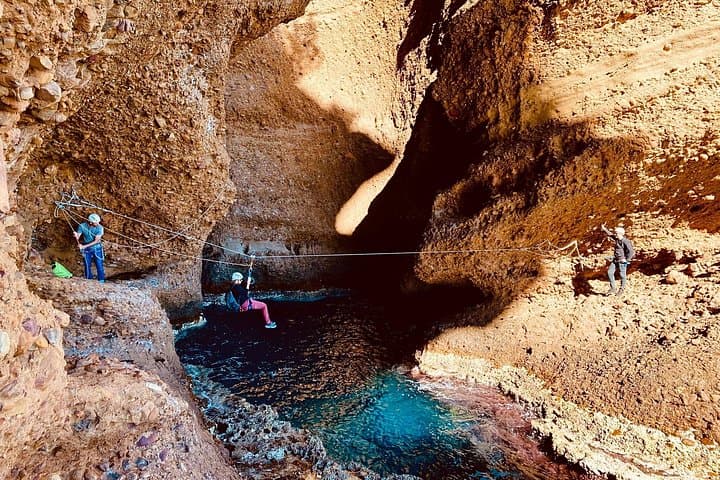
Climb metal rungs, clip into cables and fly a zipline above Mediterranean water on the Trou Souffleur via ferrata near La Ciotat. This three‑hour guided route mixes easy climbing, rappels and aerial passages for beginners and families.
Climb metal rungs, clip into cables and fly a zipline above Mediterranean water on the Trou Souffleur via ferrata near La Ciotat. This three‑hour guided route mixes easy climbing, rappels and aerial passages for beginners and families.
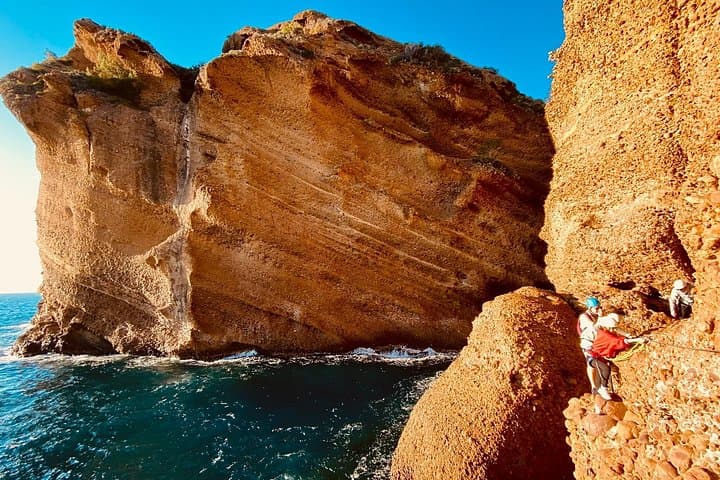
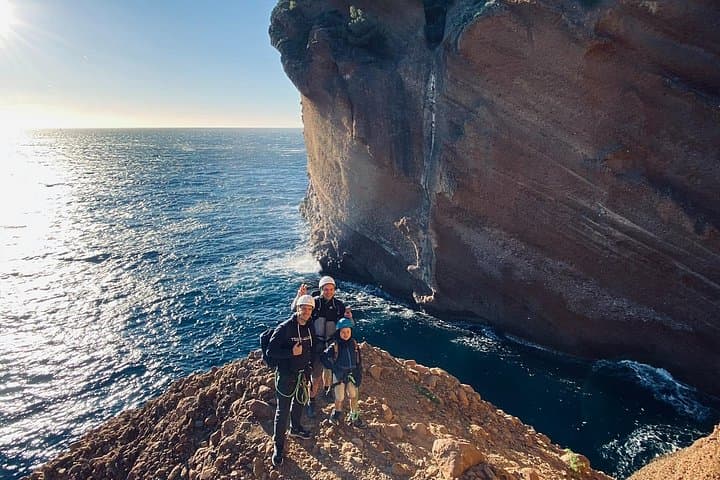
The air tastes of salt and rock as you step onto the ledge above Trou Souffleur. Waves push and retreat below, and the cliff seems to breathe; the course threads metal rungs, cables and short ziplines across conglomerate faces that have been shaped by millennia of sea and storm.
Verified experiences and guided adventures in the surrounding area.
Operated by La Route De La Grimpe · La Ciotat, Bouches-du-Rhône
The air tastes of salt and rock as you step onto the ledge above Trou Souffleur. Waves push and retreat below, and the cliff seems to breathe; the course threads metal rungs, cables and short ziplines across conglomerate faces that have been shaped by millennia of sea and storm.
This route sits on the eastern edge of the Calanques near La Ciotat, where the local geology is dominated by pudding‑stone cliffs—hard pebbled conglomerate that breaks into dramatic ledges. La Ciotat itself is a port town with shipbuilding roots and a fishing culture that still marks the shoreline cafés. The Calanques National Park, created to protect these coastal inlets, frames the route and limits access when conditions threaten fragile scrub and nesting birds.
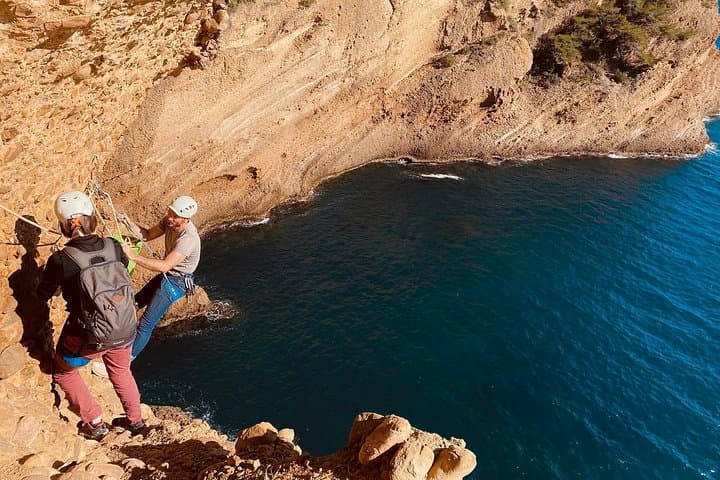
Practically: the guided experience runs about three hours, recommended for ages 7+, groups up to eight, and described as easy–moderate with short vertical boosts of roughly 15–20 meters. Expect mixed terrain—approach trails, exposed aerial passages, easy climbing moves, rappels and at least one zipline over water. State‑certified instructors supply helmets, harnesses and via‑ferrata kits and manage safety briefings and belays.
Plan for sun, wind and rapidly changing weather; wear grippy approach shoes, bring a liter of water, and keep movements deliberate on exposed sections. Photography stops are frequent but brief—pack a secure camera or tether. This is a compact, high‑adrift encounter with Mediterranean cliffs: an approachable way to experience exposure, sea air and vertical travel without committing to full trad climbing.
moderate.
3 hours.
Moderate stamina; able to handle short vertical sections, exposure to heights and a multi‑hour outdoor activity.
Children from 7 years can join; guides assess each child’s ability and pair them with appropriate supervision.
No formal climbing skills are required; participants should be comfortable with heights and able to follow guide instructions.
Yes—state‑certified guides provide helmets, harnesses and via‑ferrata lanyards as part of the activity.
The operator cancels for safety in bad weather or insufficient participants and offers a full refund if canceled at least 24 hours before departure.
La Ciotat has long been a shipbuilding and maritime town; its cliffs and coves have supported fishing and dry‑dock industries for centuries.
The coastal scrub and nesting seabirds are fragile; stick to marked approaches, avoid fires and follow guide instructions to minimize erosion and disturbance.
La Route De La Grimpe operates guided outdoor trips and adventures with an emphasis on safety, stewardship, and memorable experiences.
The air tastes of salt and rock as you step onto the ledge above Trou Souffleur. Waves push and retreat below, and the cliff seems to breathe; the course threads metal rungs, cables and short ziplines across conglomerate faces that have been shaped by millennia of sea and storm.
The air tastes of salt and rock as you step onto the ledge above Trou Souffleur. Waves push and retreat below, and the cliff seems to breathe; the course threads metal rungs, cables and short ziplines across conglomerate faces that have been shaped by millennia of sea and storm.
This route sits on the eastern edge of the Calanques near La Ciotat, where the local geology is dominated by pudding‑stone cliffs—hard pebbled conglomerate that breaks into dramatic ledges. La Ciotat itself is a port town with shipbuilding roots and a fishing culture that still marks the shoreline cafés. The Calanques National Park, created to protect these coastal inlets, frames the route and limits access when conditions threaten fragile scrub and nesting birds.
Practically: the guided experience runs about three hours, recommended for ages 7+, groups up to eight, and described as easy–moderate with short vertical boosts of roughly 15–20 meters. Expect mixed terrain—approach trails, exposed aerial passages, easy climbing moves, rappels and at least one zipline over water. State‑certified instructors supply helmets, harnesses and via‑ferrata kits and manage safety briefings and belays.
Plan for sun, wind and rapidly changing weather; wear grippy approach shoes, bring a liter of water, and keep movements deliberate on exposed sections. Photography stops are frequent but brief—pack a secure camera or tether. This is a compact, high‑adrift encounter with Mediterranean cliffs: an approachable way to experience exposure, sea air and vertical travel without committing to full trad climbing.