THE ADVENTURE COLLECTIVE® · Independent discovery and booking for outdoor travel

Make a functional piece of art under the guidance of Conrad Williams, a Chihuly-trained glassblower, in a small Naples studio. This hands-on 90-minute lesson includes materials and results in a kiln-cooled bowl ready for pick-up the next day.
Make a functional piece of art under the guidance of Conrad Williams, a Chihuly-trained glassblower, in a small Naples studio. This hands-on 90-minute lesson includes materials and results in a kiln-cooled bowl ready for pick-up the next day.
You step off a quiet cul-de-sac on Yucca Road and the air changes—warmth from the furnace, the faint chemical bright of molten glass, and a small grove of palms shading a studio courtyard. Inside, tools clang with the same steady rhythm as a boat motor and Conrad Williams, trained under Dale Chihuly, guides the process with hands that measure heat as well as form.
Verified experiences and guided adventures in the surrounding area.
Operated by Glassblowing in the Garden · Naples, Florida
You step off a quiet cul-de-sac on Yucca Road and the air changes—warmth from the furnace, the faint chemical bright of molten glass, and a small grove of palms shading a studio courtyard. Inside, tools clang with the same steady rhythm as a boat motor and Conrad Williams, trained under Dale Chihuly, guides the process with hands that measure heat as well as form.
Glassblowing in Naples sits at the intersection of craft and coastal culture. The glass tradition brought to the Gulf Coast by visiting artists and studios emphasizes color and form suited to bright Florida light; the local geology—sandy substrates and a low, flat coastline—has never shaped the glass itself, but it has influenced the decorative palettes you’ll see: oceanic blues, sunrise ambers, and seagrass greens.
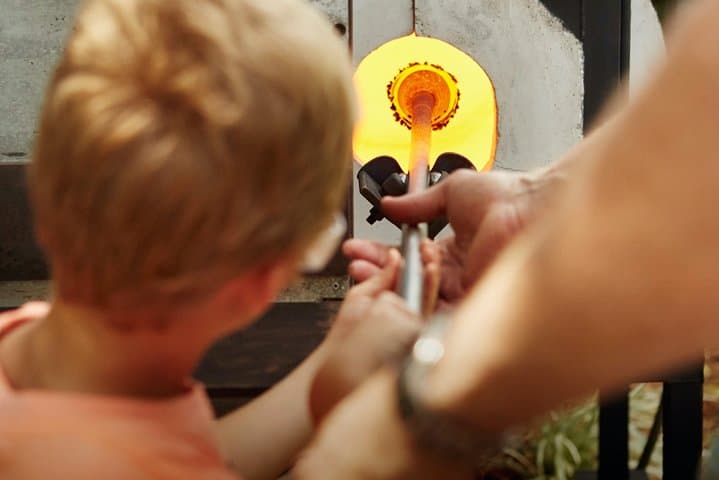
The class begins with a short demo on tools, then students choose color frit and learn to gather, blow, shape and cut a simple bowl. Lessons run about 90 minutes, accommodate small groups (max four), and require attendees to be at least six years old. Completed pieces are held overnight and available for pickup the next day once annealed.
Practical edge: wear closed-toe shoes and natural fibers (furnace heat makes synthetics uncomfortable), plan for 1–1.5 hours at the site, and book at least a day in advance—slots fill quickly during winter high season. The studio is wheelchair accessible and includes all materials; expect hands-on instruction but follow safety briefings closely. Leave time after class to walk the nearby streets of Naples or sit on a bench and let the heat of the furnace cool while you admire your new, fragile bowl.
easy.
1–1.5 hours.
No special fitness required; participants should be able to stand briefly and handle light tools. Suitable for ages 6 and up.
Classes run about 90 minutes and finished pieces are annealed overnight; they are available for pickup the following day.
No experience is required—this is an introductory lesson suitable for beginners and children aged six and up.
Yes; the studio and work areas are wheelchair accessible but let the host know any special requirements when booking.
Full refund if you cancel at least 24 hours before the scheduled time; same-day cancellations are non-refundable.
Contemporary glassblowing in Florida picked up in the late 20th century as visiting artists brought studio techniques; instructors trained under established names like Chihuly helped spread large-scale and studio glass practices to the Gulf Coast.
Studios often reclaim and recycle scrap glass and manage kiln firing schedules to reduce energy use; respect local instructions about waste and don’t take experimental glass fragments.
Glassblowing in the Garden operates guided outdoor trips and adventures with an emphasis on safety, stewardship, and memorable experiences.
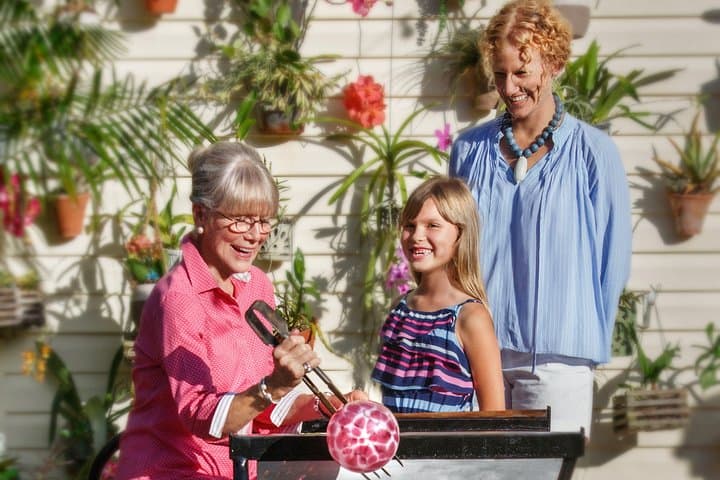
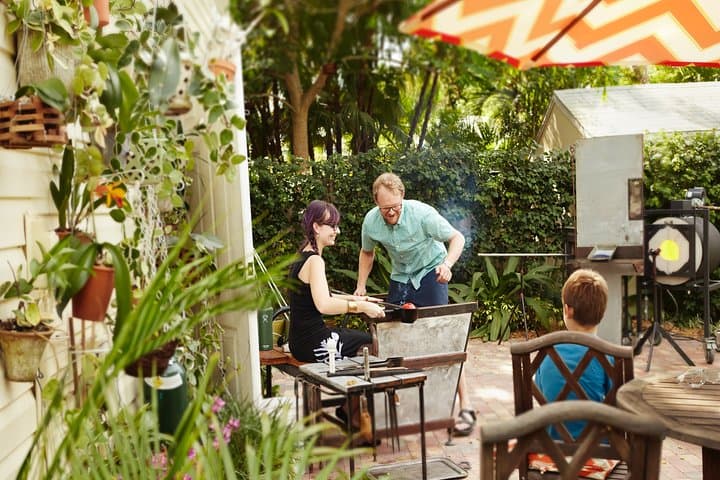
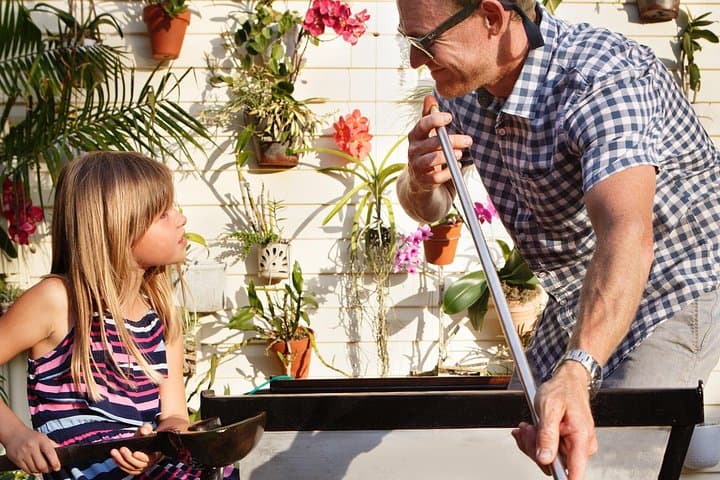
You step off a quiet cul-de-sac on Yucca Road and the air changes—warmth from the furnace, the faint chemical bright of molten glass, and a small grove of palms shading a studio courtyard. Inside, tools clang with the same steady rhythm as a boat motor and Conrad Williams, trained under Dale Chihuly, guides the process with hands that measure heat as well as form.
You step off a quiet cul-de-sac on Yucca Road and the air changes—warmth from the furnace, the faint chemical bright of molten glass, and a small grove of palms shading a studio courtyard. Inside, tools clang with the same steady rhythm as a boat motor and Conrad Williams, trained under Dale Chihuly, guides the process with hands that measure heat as well as form.
Glassblowing in Naples sits at the intersection of craft and coastal culture. The glass tradition brought to the Gulf Coast by visiting artists and studios emphasizes color and form suited to bright Florida light; the local geology—sandy substrates and a low, flat coastline—has never shaped the glass itself, but it has influenced the decorative palettes you’ll see: oceanic blues, sunrise ambers, and seagrass greens.
The class begins with a short demo on tools, then students choose color frit and learn to gather, blow, shape and cut a simple bowl. Lessons run about 90 minutes, accommodate small groups (max four), and require attendees to be at least six years old. Completed pieces are held overnight and available for pickup the next day once annealed.
Practical edge: wear closed-toe shoes and natural fibers (furnace heat makes synthetics uncomfortable), plan for 1–1.5 hours at the site, and book at least a day in advance—slots fill quickly during winter high season. The studio is wheelchair accessible and includes all materials; expect hands-on instruction but follow safety briefings closely. Leave time after class to walk the nearby streets of Naples or sit on a bench and let the heat of the furnace cool while you admire your new, fragile bowl.