THE ADVENTURE COLLECTIVE® · Independent discovery and booking for outdoor travel

Walk Bloomsbury’s book-lined streets on a private three-hour tour that traces Dickens, Woolf and the Bloomsbury Group through garden squares and Georgian terraces. Intimate storytelling and frequent stops make this a relaxed, accessible way to read London’s literary map.
Walk Bloomsbury’s book-lined streets on a private three-hour tour that traces Dickens, Woolf and the Bloomsbury Group through garden squares and Georgian terraces. Intimate storytelling and frequent stops make this a relaxed, accessible way to read London’s literary map.
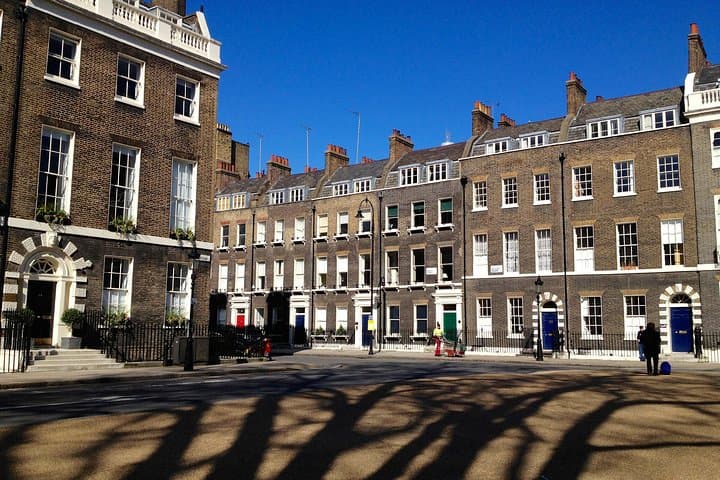
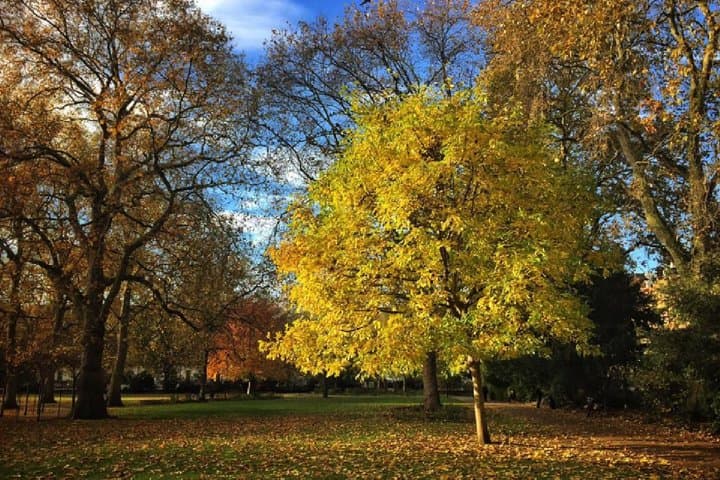
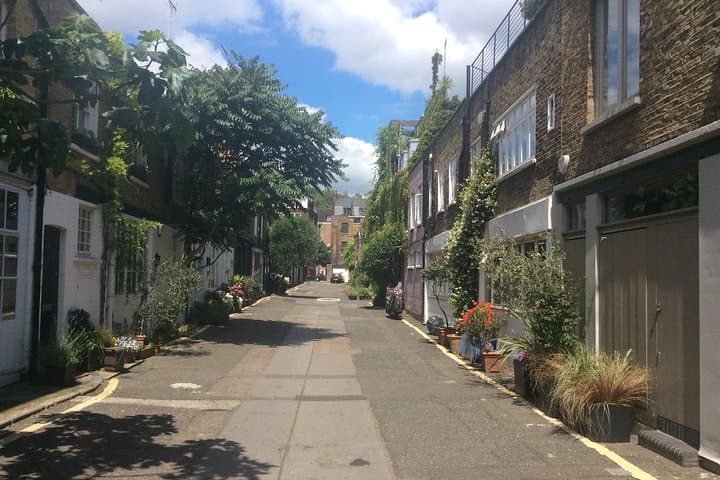
Morning light filters through black iron railings as the guide leads a small group into a sequence of garden squares that still seem to argue with the city around them. Trees lean over cobbled corners, and the streets—lined with Georgian terraces—hold the footprints of novelists, radicals and poets. Bloomsbury walks at a human pace: conversational, observant, precise.
Verified experiences and guided adventures in the surrounding area.
Operated by Ye Olde England Tours · London, England
Morning light filters through black iron railings as the guide leads a small group into a sequence of garden squares that still seem to argue with the city around them. Trees lean over cobbled corners, and the streets—lined with Georgian terraces—hold the footprints of novelists, radicals and poets. Bloomsbury walks at a human pace: conversational, observant, precise.
The neighborhood became a creative hub in the 19th and early 20th centuries. Members of the Bloomsbury Group met in rooms that now front quiet squares; Charles Dickens wrote nearby, Virginia Woolf argued aesthetics across dinner tables, and later political figures and reformers moved through these same lanes. Architecturally, Bloomsbury’s terraces sit on London Clay and reflect Georgian city-planning—regular streets, private garden squares and classical facades—while institutions like the British Museum anchor the area’s civic identity.
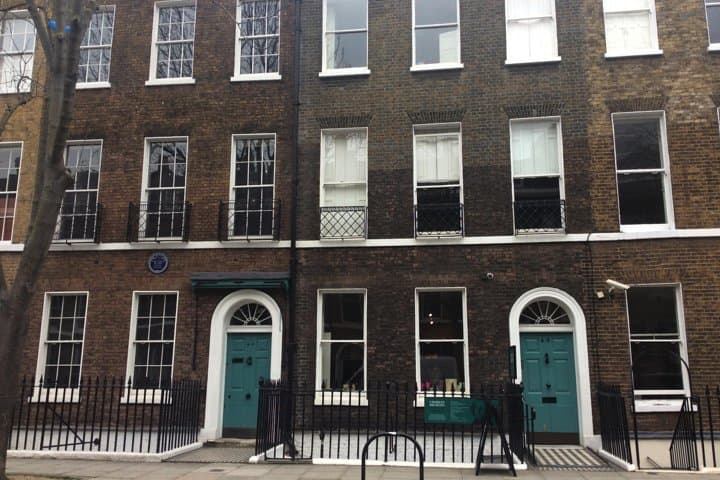
Expect focused storytelling more than dramatic sightseeing: the tour stops outside historic homes, traces lines to 1984, notes memorials in small gardens and pauses at plaques that name-drop Yeats, Orwell and Beatrix Potter. The guide connects dots between places, personalities and the social movements that shaped modern London.
Practical details: this private tour runs about three hours on mostly flat pavements with frequent stops. Wear comfortable shoes, bring a small umbrella and a contactless card for nearby cafes. Start after the morning rush to keep the route relaxed. Because many squares are private, remain on public paths and respect residential privacy. The experience rewards curiosity—bring questions, a notebook and time to sit on a square bench and watch the neighborhood continue its quiet conversation.
easy.
3 hours.
Suitable for most fitness levels; requires standing and walking ~2–3 miles with frequent stops.
Yes — the operator lists wheelchair accessibility; routes use pavements and can be adjusted but contact the provider beforehand to confirm specific needs.
Start and end points are typically in central Bloomsbury near a designated square or Tube station; exact meeting details are provided at booking.
No — the itinerary focuses on exteriors, squares and museum fronts; admission to indoor sites like the British Museum may be optional and separate.
Yes — the tour is family-friendly and paced for a range of ages, though younger children may prefer shorter segments between stops.
Bloomsbury grew as a genteel, planned district in the Georgian era and became a 20th-century hub for writers and intellectuals known collectively as the Bloomsbury Group.
Many garden squares are privately maintained; stay on public paths, avoid littering and support nearby independent cafes to help local preservation efforts.
Ye Olde England Tours operates guided outdoor trips and adventures with an emphasis on safety, stewardship, and memorable experiences.
Morning light filters through black iron railings as the guide leads a small group into a sequence of garden squares that still seem to argue with the city around them. Trees lean over cobbled corners, and the streets—lined with Georgian terraces—hold the footprints of novelists, radicals and poets. Bloomsbury walks at a human pace: conversational, observant, precise.
Morning light filters through black iron railings as the guide leads a small group into a sequence of garden squares that still seem to argue with the city around them. Trees lean over cobbled corners, and the streets—lined with Georgian terraces—hold the footprints of novelists, radicals and poets. Bloomsbury walks at a human pace: conversational, observant, precise.
The neighborhood became a creative hub in the 19th and early 20th centuries. Members of the Bloomsbury Group met in rooms that now front quiet squares; Charles Dickens wrote nearby, Virginia Woolf argued aesthetics across dinner tables, and later political figures and reformers moved through these same lanes. Architecturally, Bloomsbury’s terraces sit on London Clay and reflect Georgian city-planning—regular streets, private garden squares and classical facades—while institutions like the British Museum anchor the area’s civic identity.
Expect focused storytelling more than dramatic sightseeing: the tour stops outside historic homes, traces lines to 1984, notes memorials in small gardens and pauses at plaques that name-drop Yeats, Orwell and Beatrix Potter. The guide connects dots between places, personalities and the social movements that shaped modern London.
Practical details: this private tour runs about three hours on mostly flat pavements with frequent stops. Wear comfortable shoes, bring a small umbrella and a contactless card for nearby cafes. Start after the morning rush to keep the route relaxed. Because many squares are private, remain on public paths and respect residential privacy. The experience rewards curiosity—bring questions, a notebook and time to sit on a square bench and watch the neighborhood continue its quiet conversation.