THE ADVENTURE COLLECTIVE® · Independent discovery and booking for outdoor travel

Spend a day at Blenheim Palace with private transport and admission included. Explore state rooms, Churchill exhibits and Capability Brown’s parkland on a guided visit built for history and easy wandering.
Spend a day at Blenheim Palace with private transport and admission included. Explore state rooms, Churchill exhibits and Capability Brown’s parkland on a guided visit built for history and easy wandering.
You step from the coach onto a sweep of gravel and the air smells of damp grass and old stone. The palace rises ahead — broad, Baroque, and studied — while Capability Brown’s lake glints and the park’s trees lean as if eavesdropping.
Verified experiences and guided adventures in the surrounding area.
Operated by Sightseeing Tours · Woodstock, Oxfordshire
You step from the coach onto a sweep of gravel and the air smells of damp grass and old stone. The palace rises ahead — broad, Baroque, and studied — while Capability Brown’s lake glints and the park’s trees lean as if eavesdropping.
Built for John Churchill after the victory at Blenheim (1704), Blenheim Palace is both an 18th‑century ducal home and a working estate. Inside, state rooms display paintings by Reynolds and Sargent; outside, formal terraces give way to rolling parkland shaped in the 18th century. The palace is also the birthplace of Sir Winston Churchill and has cropped up in film and family culture, from Hollywood guests to scenes used in large productions. Geologically the estate sits on Oxfordshire clay soils with parkland and managed lakes that support broadleaf habitats and grazing deer.
A private day tour compresses that sweep of history into a focused visit: roughly three hours on site to move through the principal rooms, the Churchill exhibits, and a walk along the lake; the rest of the time is transfer. Expect stairs in the historic wings, variable weather on the terraces, and curated audio or guide commentary that bridges aristocratic ritual and modern family life.
Practical pointers: book admissions and private transport in advance to skip queues; wear firm walking shoes for paths and steps; bring a light rain layer and reusable water bottle; allow time for the stable‑yard café and the lesser‑known lake walk where the famous tree used in film scenes stands. With moderate mobility you’ll get the richest experience; for limited mobility, request accessibility details when booking.
easy.
6–7 hours.
Moderate — mostly standing and walking on uneven surfaces with stairs; good for regular walkers
The itinerary typically allows about three hours at the palace — enough for the principal state rooms, Churchill exhibits and a lakeside walk.
Parts of the palace and the visitor facilities are wheelchair accessible, but historic rooms include stairs; confirm accessibility options and transport needs when booking.
Yes — the site has cafés, picnic areas and restrooms in visitor zones and the stableyard; packed lunches are also fine on the grounds.
Photography rules vary by room; casual photography is generally allowed in many areas but flash and tripods may be restricted — follow onsite signage.
Built after the 1704 victory at Blenheim for John Churchill, the palace was later the birthplace of Winston Churchill and redesigned externally by major 18th‑century landscapers.
The estate balances heritage conservation with active landscape management — stay on paths, avoid disturbing wildlife, and use marked picnic areas to reduce impact.
Sightseeing Tours operates guided outdoor trips and adventures with an emphasis on safety, stewardship, and memorable experiences.
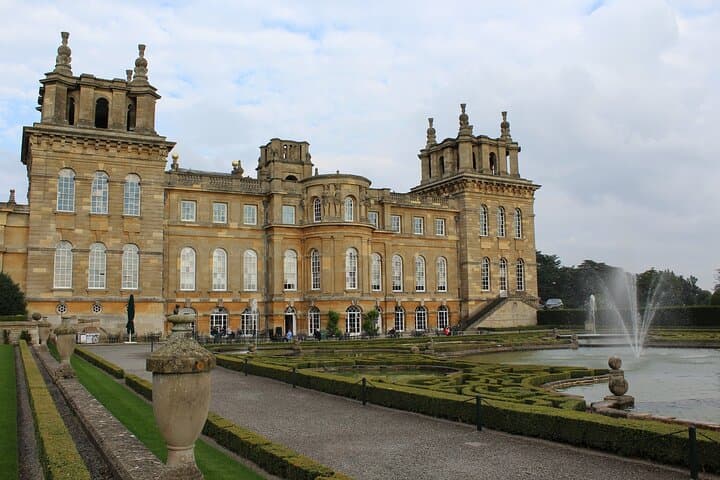
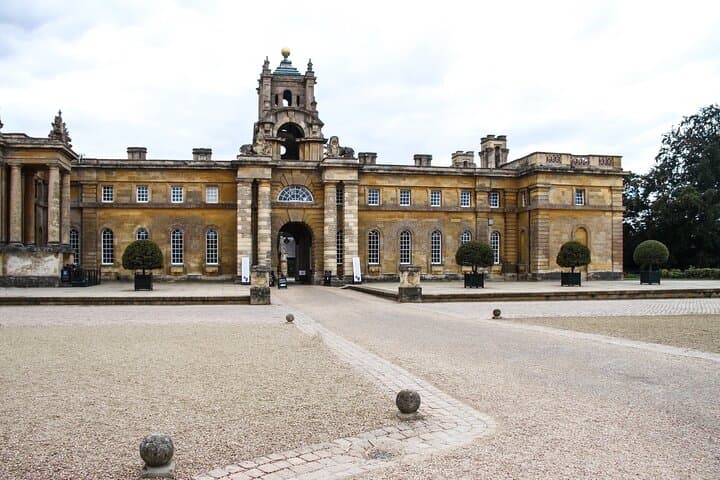
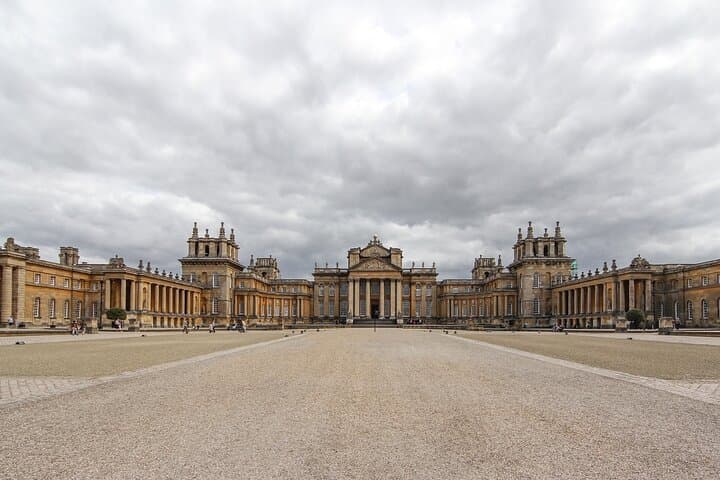
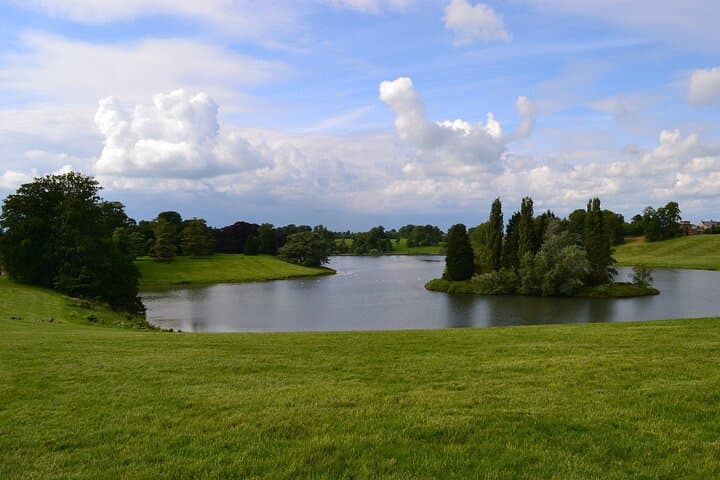
You step from the coach onto a sweep of gravel and the air smells of damp grass and old stone. The palace rises ahead — broad, Baroque, and studied — while Capability Brown’s lake glints and the park’s trees lean as if eavesdropping.
You step from the coach onto a sweep of gravel and the air smells of damp grass and old stone. The palace rises ahead — broad, Baroque, and studied — while Capability Brown’s lake glints and the park’s trees lean as if eavesdropping.
Built for John Churchill after the victory at Blenheim (1704), Blenheim Palace is both an 18th‑century ducal home and a working estate. Inside, state rooms display paintings by Reynolds and Sargent; outside, formal terraces give way to rolling parkland shaped in the 18th century. The palace is also the birthplace of Sir Winston Churchill and has cropped up in film and family culture, from Hollywood guests to scenes used in large productions. Geologically the estate sits on Oxfordshire clay soils with parkland and managed lakes that support broadleaf habitats and grazing deer.
A private day tour compresses that sweep of history into a focused visit: roughly three hours on site to move through the principal rooms, the Churchill exhibits, and a walk along the lake; the rest of the time is transfer. Expect stairs in the historic wings, variable weather on the terraces, and curated audio or guide commentary that bridges aristocratic ritual and modern family life.
Practical pointers: book admissions and private transport in advance to skip queues; wear firm walking shoes for paths and steps; bring a light rain layer and reusable water bottle; allow time for the stable‑yard café and the lesser‑known lake walk where the famous tree used in film scenes stands. With moderate mobility you’ll get the richest experience; for limited mobility, request accessibility details when booking.