THE ADVENTURE COLLECTIVE® · Independent discovery and booking for outdoor travel

Become a winemaker for a day in Florence: taste six single-varietal wines, learn blending techniques, and bottle a personalized blend with your own label. This two-hour hands-on workshop pairs practical instruction with local flavors and takes you behind the scenes of Tuscan enology.
Become a winemaker for a day in Florence: taste six single-varietal wines, learn blending techniques, and bottle a personalized blend with your own label. This two-hour hands-on workshop pairs practical instruction with local flavors and takes you behind the scenes of Tuscan enology.
You step into a sun-warmed room a short walk from Florence’s medieval streets, where the air smells of oak, ripe grapes and a faint dust of earth from the surrounding hills. Tables are set with numbered glasses; behind them, a wine expert lays out six distinct single-varietal wines — each one a small portrait of Tuscan soil and climate. The session is part tasting, part chemistry lab and part craft workshop: you’ll learn how acidity, tannin and aroma interplay, then mix and match until a personal blend feels balanced.
Verified experiences and guided adventures in the surrounding area.
Operated by Ciao Florence Tours Srl · Florence, Tuscany
You step into a sun-warmed room a short walk from Florence’s medieval streets, where the air smells of oak, ripe grapes and a faint dust of earth from the surrounding hills. Tables are set with numbered glasses; behind them, a wine expert lays out six distinct single-varietal wines — each one a small portrait of Tuscan soil and climate. The session is part tasting, part chemistry lab and part craft workshop: you’ll learn how acidity, tannin and aroma interplay, then mix and match until a personal blend feels balanced.
Tuscan winemaking stretches back to Etruscan times and tightened into craft during the Renaissance; nearby Chianti’s rolling soils and the Arno’s river terraces shape the grapes you taste. The room becomes a miniature vineyard, where terroir talks through flavor, and local antipasti sharpen perception. Expect brief lessons in grape varieties, fermentation choices and labeling traditions — cultural touchstones that tie a bottle back to place.
Practically, this is a two-hour, small-group activity geared toward beginners and wine enthusiasts alike. You’ll actively blend, bottle, and design a label, leaving with a personalized sealed bottle and a certificate. Bring ID, arrive 10–15 minutes early for registration, and plan transportation if you’ll be taking wine on public transit. For those who want context, pair the workshop with a short afternoon walk across Ponte Vecchio or a visit to a nearby enoteca to compare commercial and crafted blends. It’s an intimate, sensory-driven way to learn why Tuscan wines taste like the landscape they come from.
easy.
2 hours.
No special fitness required; suitable for most adults who can stand for brief periods
Yes—participants must be of legal drinking age in Italy (18+) and will be asked for ID at check-in.
You can take the bottle home, but check airline and carry-on restrictions; shipping or checking the bottle is often safer for long-haul flights.
Workshops in Florence are typically conducted in English and/or Italian; check the booking page for the session language or request accommodations in advance.
For a full refund cancel at least 24 hours before the scheduled start time; cancellations within 24 hours are non-refundable.
Winemaking around Florence predates Roman rule; Etruscan and medieval records show vineyard cultivation on the Arno terraces and nearby Chianti hills.
Many Tuscan producers now use organic or low-intervention practices; be mindful of glass recycling and support producers who prioritize sustainable viticulture.
Ciao Florence Tours Srl operates guided outdoor trips and adventures with an emphasis on safety, stewardship, and memorable experiences.
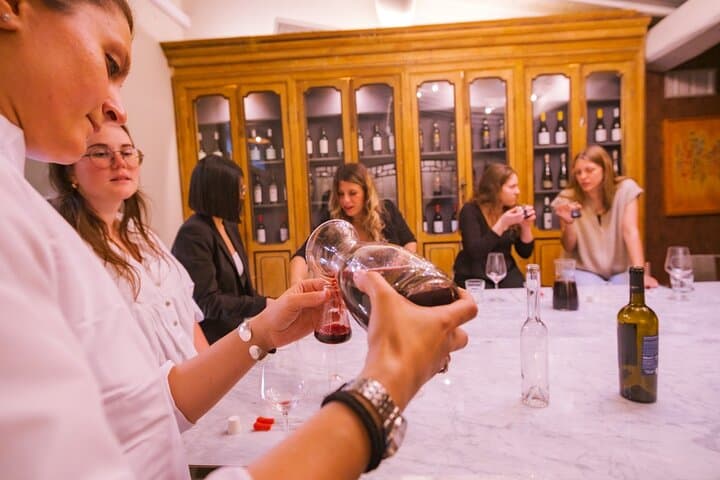
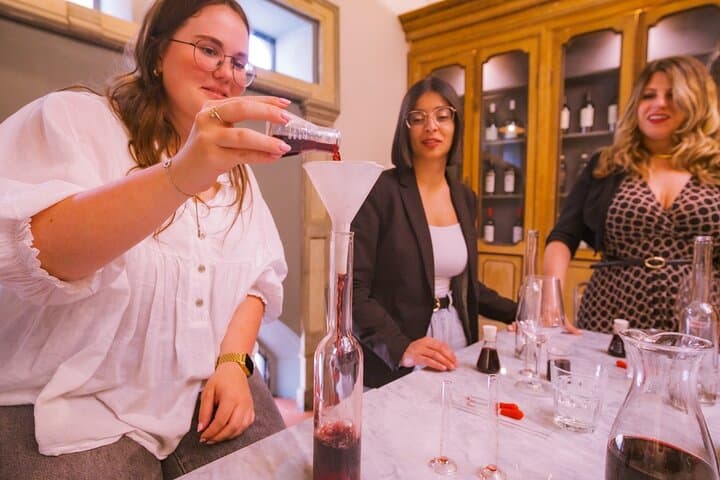
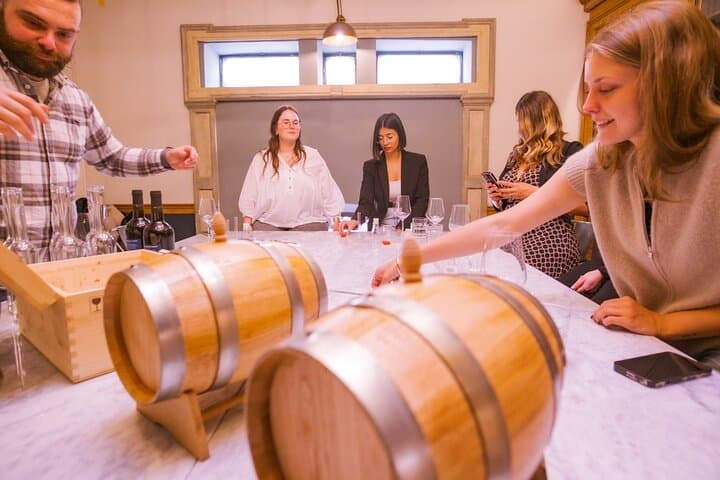
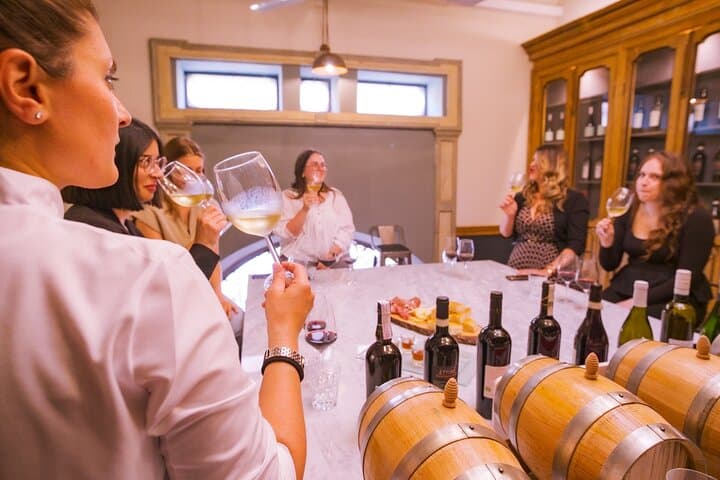
You step into a sun-warmed room a short walk from Florence’s medieval streets, where the air smells of oak, ripe grapes and a faint dust of earth from the surrounding hills. Tables are set with numbered glasses; behind them, a wine expert lays out six distinct single-varietal wines — each one a small portrait of Tuscan soil and climate. The session is part tasting, part chemistry lab and part craft workshop: you’ll learn how acidity, tannin and aroma interplay, then mix and match until a personal blend feels balanced.
You step into a sun-warmed room a short walk from Florence’s medieval streets, where the air smells of oak, ripe grapes and a faint dust of earth from the surrounding hills. Tables are set with numbered glasses; behind them, a wine expert lays out six distinct single-varietal wines — each one a small portrait of Tuscan soil and climate. The session is part tasting, part chemistry lab and part craft workshop: you’ll learn how acidity, tannin and aroma interplay, then mix and match until a personal blend feels balanced.
Tuscan winemaking stretches back to Etruscan times and tightened into craft during the Renaissance; nearby Chianti’s rolling soils and the Arno’s river terraces shape the grapes you taste. The room becomes a miniature vineyard, where terroir talks through flavor, and local antipasti sharpen perception. Expect brief lessons in grape varieties, fermentation choices and labeling traditions — cultural touchstones that tie a bottle back to place.
Practically, this is a two-hour, small-group activity geared toward beginners and wine enthusiasts alike. You’ll actively blend, bottle, and design a label, leaving with a personalized sealed bottle and a certificate. Bring ID, arrive 10–15 minutes early for registration, and plan transportation if you’ll be taking wine on public transit. For those who want context, pair the workshop with a short afternoon walk across Ponte Vecchio or a visit to a nearby enoteca to compare commercial and crafted blends. It’s an intimate, sensory-driven way to learn why Tuscan wines taste like the landscape they come from.