THE ADVENTURE COLLECTIVE® · Independent discovery and booking for outdoor travel

From Zagreb, this private day tour pairs the glacial green of Lake Bled with the pedestrian heart of Ljubljana. Expect boat rides, short climbs to castle viewpoints, and riverside walks through Slovenia’s compact capital.
From Zagreb, this private day tour pairs the glacial green of Lake Bled with the pedestrian heart of Ljubljana. Expect boat rides, short climbs to castle viewpoints, and riverside walks through Slovenia’s compact capital.
A low, cool mist lifts from Lake Bled as the sun hits the island’s church and the pletna boats cut through green water like an invitation. You arrive from Zagreb on a private vehicle, stepping out to the 99 stone steps that lead from the water to the bell tower — a small ritual repeated by generations of visitors.
Verified experiences and guided adventures in the surrounding area.
Operated by Get in Transfer · Bled, Upper Carniola
A low, cool mist lifts from Lake Bled as the sun hits the island’s church and the pletna boats cut through green water like an invitation. You arrive from Zagreb on a private vehicle, stepping out to the 99 stone steps that lead from the water to the bell tower — a small ritual repeated by generations of visitors.
The geology is blunt and visible: a glacial basin cradles Bled, its island formed by moraine deposits and its castle perched on a steep limestone cliff. Bled Castle’s ramparts offer a short climb (roughly 100–120 m elevation gain from lakeside paths) and wide views over the Julian Alps; below, the castle bakery still sells the cream cake that made this place world-famous.
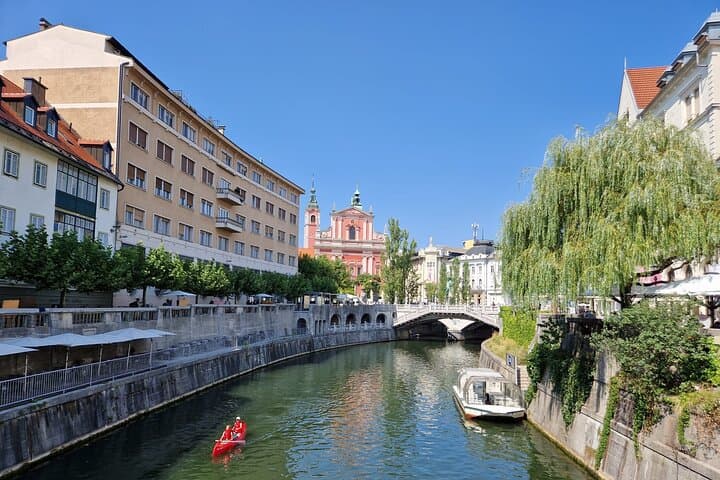
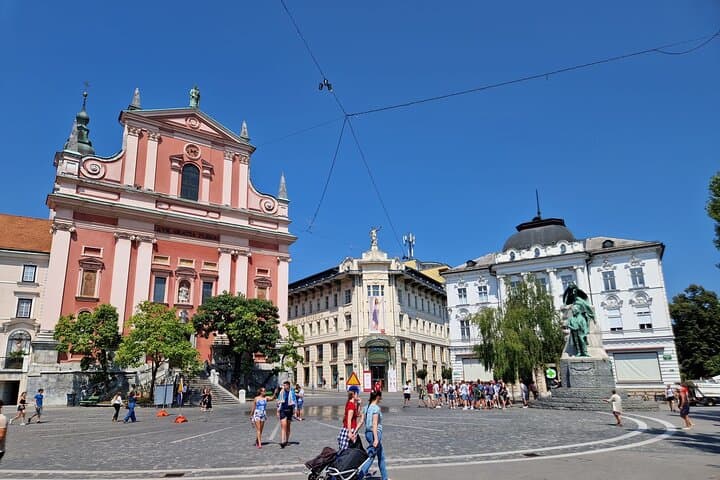
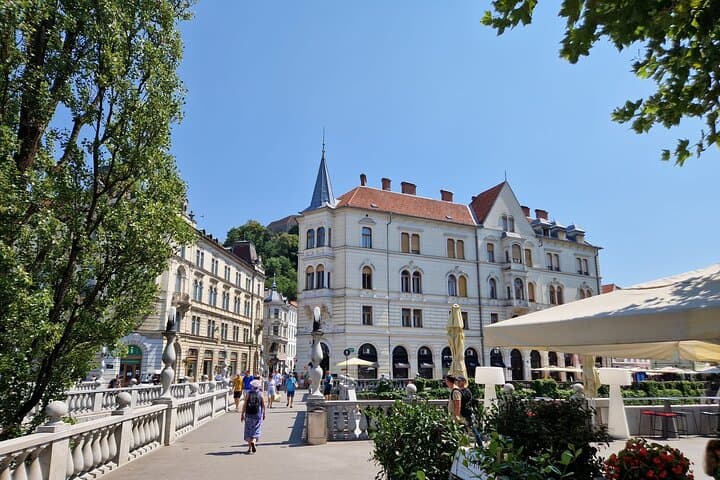
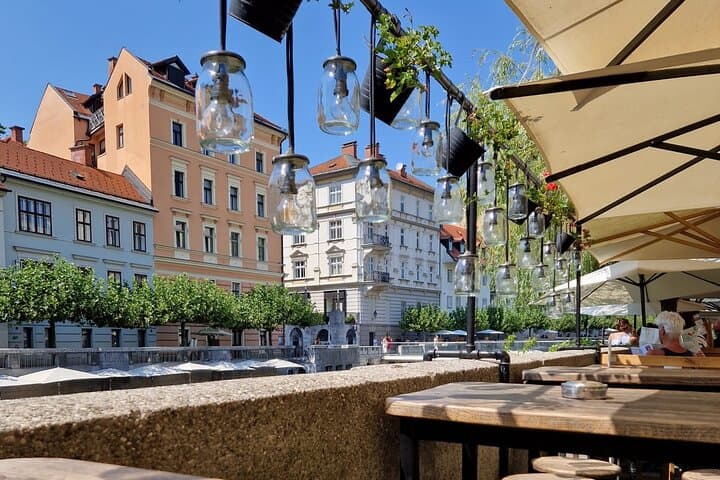
Ljubljana provides a contrast of compact urban walkability and layered history — a Roman Emona beneath a Baroque riverside, a medieval castle above, and bridges lined with modern cafés. The Ljubljanica River directs the city’s rhythm, pushing you toward markets, dragon-adorned bridges, and terrace seating.
Practical notes: expect about 6 km of easy walking around Bled and a few short climbs to viewpoints; comfortable walking shoes and a light rain layer are useful. The island visit usually uses a pletna or short row; plan for 2–3 hours in Bled and 2–3 hours in Ljubljana within an 8-hour day. Carry ID and euros, bring water, and budget time for photo stops — both sites reward slow pacing. Respect local trails and the island’s small footprint: visitors help keep these places intact.
moderate.
8 hours (full day).
Suitable for travelers in average fitness; involves multiple short climbs and 4–6 km of walking with stops.
Driving time to Bled is about 2 hours each way depending on traffic; the tour is structured as a full-day (roughly 8 hours) to cover both Bled and Ljubljana.
The island crossing typically uses traditional pletna boats or short rowboat transfers; confirm with your operator whether the ride is included in your booking.
The tour includes uneven steps and short climbs (island steps and castle access); it’s not recommended for travelers with serious mobility limitations unless alternative arrangements are confirmed in advance.
Castle entries are often available on-site, but during high season or for private-tour timing it’s advisable to reserve or confirm skip-the-line options ahead of time.
Bled’s island church dates to medieval times and the castle above the lake was first documented in the 11th century; Ljubljana grew from the Roman town of Emona and retains layers of history in its castle and riverfront.
Heavy visitation concentrates impact on the island and lakeshore; visitors are encouraged to stay on marked paths, avoid single-use plastics and support local conservation initiatives.
Get in Transfer operates guided outdoor trips and adventures with an emphasis on safety, stewardship, and memorable experiences.
A low, cool mist lifts from Lake Bled as the sun hits the island’s church and the pletna boats cut through green water like an invitation. You arrive from Zagreb on a private vehicle, stepping out to the 99 stone steps that lead from the water to the bell tower — a small ritual repeated by generations of visitors.
A low, cool mist lifts from Lake Bled as the sun hits the island’s church and the pletna boats cut through green water like an invitation. You arrive from Zagreb on a private vehicle, stepping out to the 99 stone steps that lead from the water to the bell tower — a small ritual repeated by generations of visitors.
The geology is blunt and visible: a glacial basin cradles Bled, its island formed by moraine deposits and its castle perched on a steep limestone cliff. Bled Castle’s ramparts offer a short climb (roughly 100–120 m elevation gain from lakeside paths) and wide views over the Julian Alps; below, the castle bakery still sells the cream cake that made this place world-famous.
Ljubljana provides a contrast of compact urban walkability and layered history — a Roman Emona beneath a Baroque riverside, a medieval castle above, and bridges lined with modern cafés. The Ljubljanica River directs the city’s rhythm, pushing you toward markets, dragon-adorned bridges, and terrace seating.
Practical notes: expect about 6 km of easy walking around Bled and a few short climbs to viewpoints; comfortable walking shoes and a light rain layer are useful. The island visit usually uses a pletna or short row; plan for 2–3 hours in Bled and 2–3 hours in Ljubljana within an 8-hour day. Carry ID and euros, bring water, and budget time for photo stops — both sites reward slow pacing. Respect local trails and the island’s small footprint: visitors help keep these places intact.