THE ADVENTURE COLLECTIVE® · Independent discovery and booking for outdoor travel

A single-day loop from Ljubljana that pairs Bled’s lakeside viewpoints and island church with the subterranean drama of Postojna Cave, including the cave’s electric ‘toy train’ and the chance to learn about the native olm.
A single-day loop from Ljubljana that pairs Bled’s lakeside viewpoints and island church with the subterranean drama of Postojna Cave, including the cave’s electric ‘toy train’ and the chance to learn about the native olm.
You step out of Ljubljana's calm streets and the highway unfurls toward alpine light — within an hour the water of Bled reflects a church on its island, and later the karst below Postojna opens into a cool, otherworldly chamber.
Verified experiences and guided adventures in the surrounding area.
Operated by Adventure holiday tours · Ljubljana, Central Slovenia
You step out of Ljubljana's calm streets and the highway unfurls toward alpine light — within an hour the water of Bled reflects a church on its island, and later the karst below Postojna opens into a cool, otherworldly chamber.
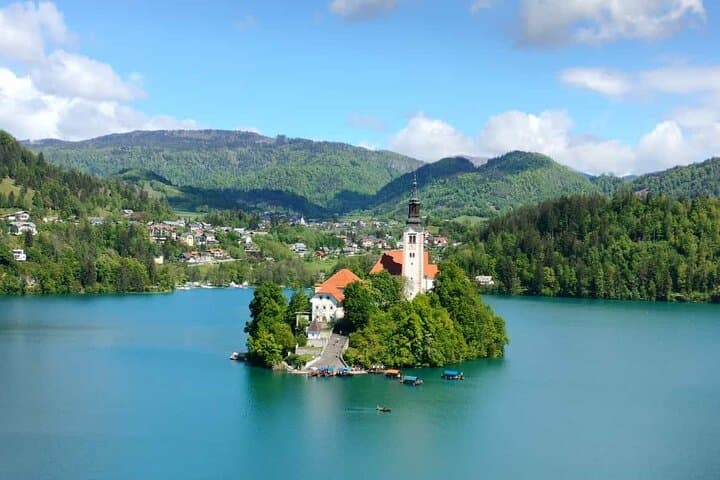
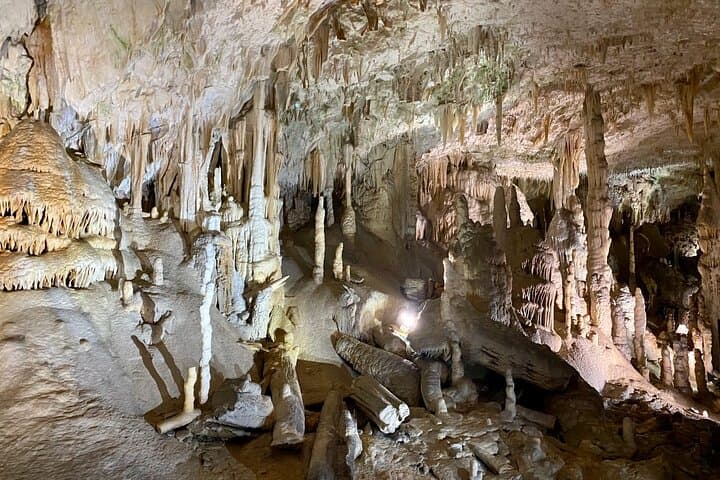
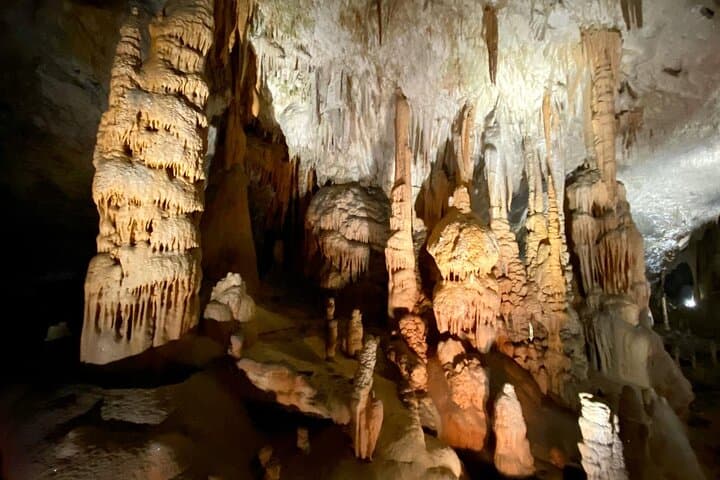
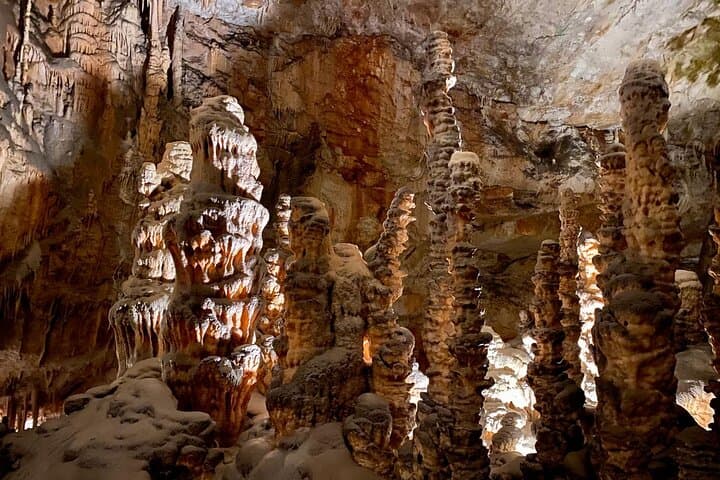
Bled Lake is a glacial lake in the Julian Alps region, ringed by steep shores and a medieval castle on a cliff. Local boatmen still ferry visitors to the small island in wooden pletna boats; climbing the 99 steps to the Church of the Assumption is a short cultural interlude. Geologically, the Postojna system is part of Slovenia’s classical karst terrain: soluble limestone carved over millennia into passages, galleries and underground rivers. The cave tour includes a short electric train that delivers you into the cave complex and a guided walk where you may spot the proteus (the olm, often called the “human fish”).
Expect a mix of light strolls and some uneven surfaces — the cave is kept accessible but damp and cool. The full-day drive schedule typically runs 4–7 hours round-trip from Ljubljana, with roughly 45 minutes to Bled and 90 minutes on to Postojna. Admission fees aren’t included, so book cave tickets in advance in high season.
Practical tips: wear grippy shoes, bring a midlayer for the cave, and plan early departures to avoid crowds at Bled viewpoints. Photography is allowed in many places but flash can disturb cave ecology; be mindful of fragile formations and follow guide instructions.
easy.
4–7 hours.
Light activity; suitable for travelers with basic mobility — involves walking on uneven paths and staircases.
No — cave entry fees are not included in the tour price; you can pre-book a timed ticket or purchase on site (subject to availability).
Typical stops are around 60–120 minutes at Bled for viewpoints and island photos, and about 90–105 minutes for the Postojna Cave visit including the train and guided walk.
Yes — the tour is described as physically easy and offers private transportation; however, there is some walking and stairs, and the cave environment may be cooler and damp.
Many tours allow time for a pletna ride, but boat rides and church entry are additional and depend on schedules; check with the operator or reserve locally at Bled.
Bled’s island church dates to medieval times with later Baroque additions; Postojna Cave has been a tourist attraction since the 19th century and played a central role in the study of karst geology.
Cave environments are sensitive: follow guide rules, avoid littering, and use marked trails at Bled to limit erosion and protect native flora.
Adventure holiday tours operates guided outdoor trips and adventures with an emphasis on safety, stewardship, and memorable experiences.
You step out of Ljubljana's calm streets and the highway unfurls toward alpine light — within an hour the water of Bled reflects a church on its island, and later the karst below Postojna opens into a cool, otherworldly chamber.
You step out of Ljubljana's calm streets and the highway unfurls toward alpine light — within an hour the water of Bled reflects a church on its island, and later the karst below Postojna opens into a cool, otherworldly chamber.
Bled Lake is a glacial lake in the Julian Alps region, ringed by steep shores and a medieval castle on a cliff. Local boatmen still ferry visitors to the small island in wooden pletna boats; climbing the 99 steps to the Church of the Assumption is a short cultural interlude. Geologically, the Postojna system is part of Slovenia’s classical karst terrain: soluble limestone carved over millennia into passages, galleries and underground rivers. The cave tour includes a short electric train that delivers you into the cave complex and a guided walk where you may spot the proteus (the olm, often called the “human fish”).
Expect a mix of light strolls and some uneven surfaces — the cave is kept accessible but damp and cool. The full-day drive schedule typically runs 4–7 hours round-trip from Ljubljana, with roughly 45 minutes to Bled and 90 minutes on to Postojna. Admission fees aren’t included, so book cave tickets in advance in high season.
Practical tips: wear grippy shoes, bring a midlayer for the cave, and plan early departures to avoid crowds at Bled viewpoints. Photography is allowed in many places but flash can disturb cave ecology; be mindful of fragile formations and follow guide instructions.