THE ADVENTURE COLLECTIVE® · Independent discovery and booking for outdoor travel

Ride in a classic black taxi through Belfast’s contested streets to see the Shankill and Falls murals and sign the Peace Wall. Local guides from both communities provide history, humour, and insight in a 90-minute private tour.
Ride in a classic black taxi through Belfast’s contested streets to see the Shankill and Falls murals and sign the Peace Wall. Local guides from both communities provide history, humour, and insight in a 90-minute private tour.
You slide into the worn leather of a black taxi and the city unfolds—brick terraces, rivers that cut through industrial scars, and roads that still hold the echo of recent history.
Verified experiences and guided adventures in the surrounding area.
Operated by Taxi Tours Belfast Ltd · Belfast, Northern Ireland
You slide into the worn leather of a black taxi and the city unfolds—brick terraces, rivers that cut through industrial scars, and roads that still hold the echo of recent history.
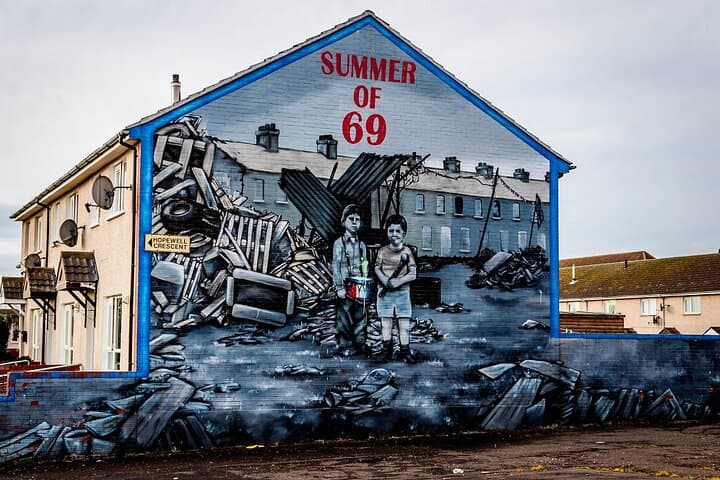
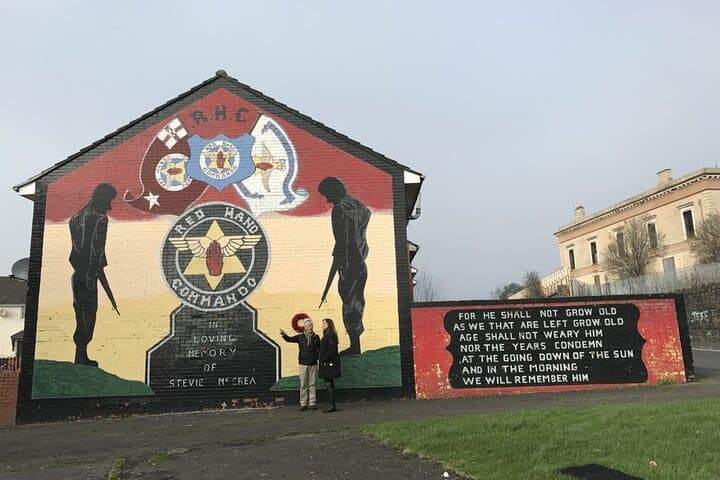
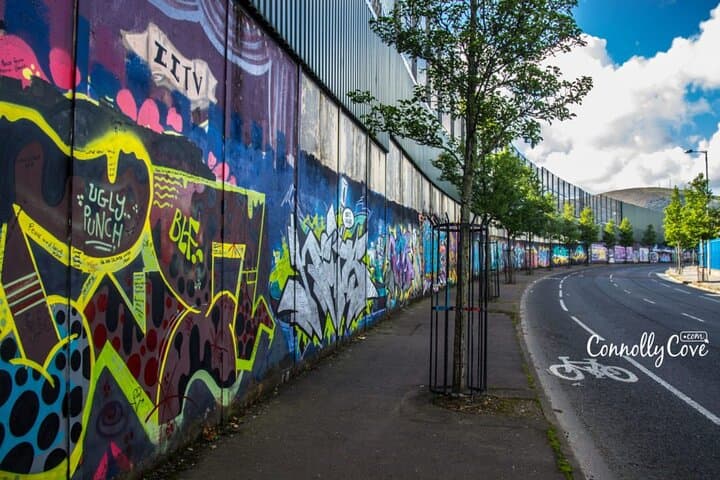
This ninety-minute private tour follows living lines: Protestant Shankill and Catholic Falls Road murals, the world-famous Peace Wall, and curated stops where drivers—local storytellers from both communities—give context to images painted on brick. Geologically, Belfast sits at the head of a sheltered lough carved by glaciers; the city’s low hills and the Lagan River shaped industrial Belfast and the routes you’ll travel. Culturally, the murals are civic conversation pieces: propaganda, grief, and now, increasingly, projects of reconciliation.
Expect a narrative that mixes sober history with dry Irish humour. The guide will point out civic landmarks, places that changed hands during the Troubles, and recent regeneration in the Cathedral Quarter. Photography is welcome, but consider that murals and walls are community spaces—ask before touching or writing.
Practical guidance: the tour is wheelchair accessible and largely seated, but brief street-level exits are part of the experience. Bring a rain shell and comfortable shoes for short walks, a charged phone for photos, and a small amount of cash for tips. Morning tours avoid traffic; late afternoons can be busier but offer softer light for photographs. Because guides are local, be ready to listen—this isn’t a drive-by commentary but a lived-history conversation that frames where Belfast has been and where it’s heading.
easy.
1.5 hours.
Minimal fitness required—mostly seated with brief street-level exits; suitable for most travellers
The private tour runs approximately 90 minutes and covers multiple stops including the Shankill and Falls roads and the Peace Wall.
Yes—vehicles and stops are wheelchair and stroller accessible, and the tour is rated easy with minimal walking.
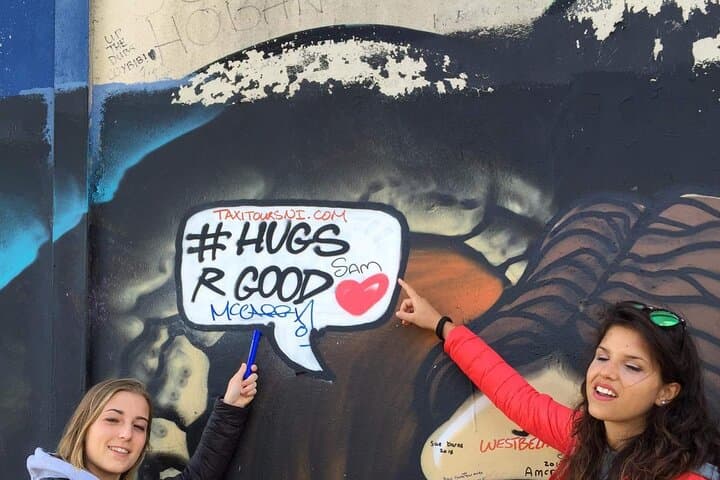
Yes, guests are allowed to add signatures or messages at designated sections, but follow the guide’s instructions and respect any restricted areas.
Tipping is customary for good service; bring local currency or add a tip via card if the operator accepts it.
Belfast’s murals grew out of the Troubles (late 20th century) and now serve both as political markers and community projects reflecting change.
Many mural projects are community-led with conservation efforts to preserve painted surfaces; visitors are asked not to add graffiti and to follow local guidance to reduce impact.
Taxi Tours Belfast Ltd operates guided outdoor trips and adventures with an emphasis on safety, stewardship, and memorable experiences.
You slide into the worn leather of a black taxi and the city unfolds—brick terraces, rivers that cut through industrial scars, and roads that still hold the echo of recent history.
You slide into the worn leather of a black taxi and the city unfolds—brick terraces, rivers that cut through industrial scars, and roads that still hold the echo of recent history.
This ninety-minute private tour follows living lines: Protestant Shankill and Catholic Falls Road murals, the world-famous Peace Wall, and curated stops where drivers—local storytellers from both communities—give context to images painted on brick. Geologically, Belfast sits at the head of a sheltered lough carved by glaciers; the city’s low hills and the Lagan River shaped industrial Belfast and the routes you’ll travel. Culturally, the murals are civic conversation pieces: propaganda, grief, and now, increasingly, projects of reconciliation.
Expect a narrative that mixes sober history with dry Irish humour. The guide will point out civic landmarks, places that changed hands during the Troubles, and recent regeneration in the Cathedral Quarter. Photography is welcome, but consider that murals and walls are community spaces—ask before touching or writing.
Practical guidance: the tour is wheelchair accessible and largely seated, but brief street-level exits are part of the experience. Bring a rain shell and comfortable shoes for short walks, a charged phone for photos, and a small amount of cash for tips. Morning tours avoid traffic; late afternoons can be busier but offer softer light for photographs. Because guides are local, be ready to listen—this isn’t a drive-by commentary but a lived-history conversation that frames where Belfast has been and where it’s heading.