THE ADVENTURE COLLECTIVE® · Independent discovery and booking for outdoor travel

Skim mangrove-lined water on a private riverboat and watch American crocodiles sun themselves on the bank. This four-hour safari from Montego Bay combines close wildlife viewing with on-board naturalist commentary — ideal for photographers and nature lovers.
Skim mangrove-lined water on a private riverboat and watch American crocodiles sun themselves on the bank. This four-hour safari from Montego Bay combines close wildlife viewing with on-board naturalist commentary — ideal for photographers and nature lovers.
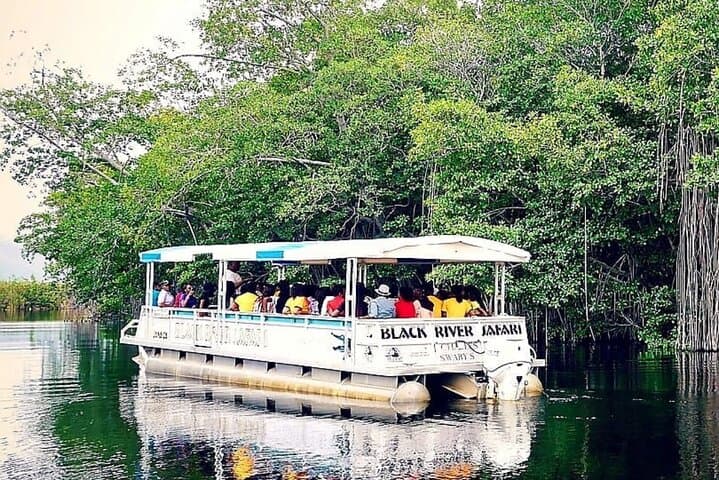
At first light the Black River takes on a slow, reflective hush — the water pulls at the boat like a dark ribbon, mangrove roots reaching out and then letting go. Travelers board a shallow-draft riverboat and glide past alder and red mangrove, while guides scan sunlit banks for the low, prehistoric profile of the American crocodile.
Verified experiences and guided adventures in the surrounding area.
Operated by Beanland Tours · Black River, St. Elizabeth
At first light the Black River takes on a slow, reflective hush — the water pulls at the boat like a dark ribbon, mangrove roots reaching out and then letting go. Travelers board a shallow-draft riverboat and glide past alder and red mangrove, while guides scan sunlit banks for the low, prehistoric profile of the American crocodile.
The river helped shape St. Elizabeth’s economy and culture, serving as a colonial transport route for sugar and timber. Geologically, the Black River winds through alluvial flats and limestone outcrops, its wetlands buffering the coast and feeding estuarine life. Local fishing communities and the nearby Appleton Estate rum lands give the corridor a lived-in character — this is working landscape as much as wilderness.
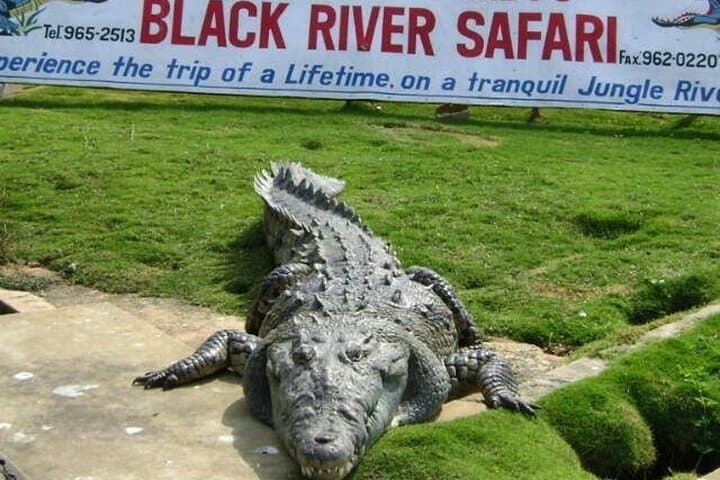
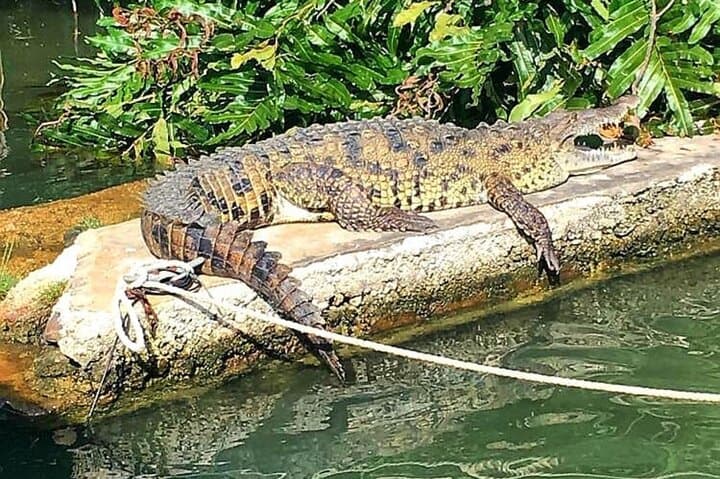
On a private safari the focus is wildlife and quiet observation: crocodiles doze on mudbanks, egrets stalk the shallows, and occasional manatee or turtle slips beneath the surface. Guides provide natural-history context — why mangroves matter, how salinity shifts affect birds, and what conservation work looks like here.
Practical guidance: tours run about four hours including transfer time; bring sunscreen, a wide-brim hat, and a telephoto lens for wildlife shots. Boats are low and open to sun and spray, so wear non-slip shoes and a light rain layer in unpredictable weather. Expect gentle motion rather than open-ocean swell; people of most fitness levels can participate. For a quieter trip, aim for morning departures when crocodiles and birds are most active.
easy.
4 hours.
Suitable for most fitness levels; requires stepping into a low boat and short, stable standing periods.
Guides know habitual sunning spots and sightings are common, but wildlife is not guaranteed — visibility depends on season, time of day, and animal behavior.
The operator notes wheelchair accessibility for parts of the experience, but check pickup and boarding details in advance to confirm assistance and vessel access.
The activity runs about four hours; private tours typically include pickup from select Montego Bay resorts — confirm your property’s pickup eligibility when booking.
Tipping is customary in Jamaica; 10–15% for a private guide or a modest cash tip for boat crew is appropriate if service is good.
The Black River was one of Jamaica’s earliest commercial waterways, carrying sugar, lumber and goods from inland plantations to coastal ports during the colonial period.
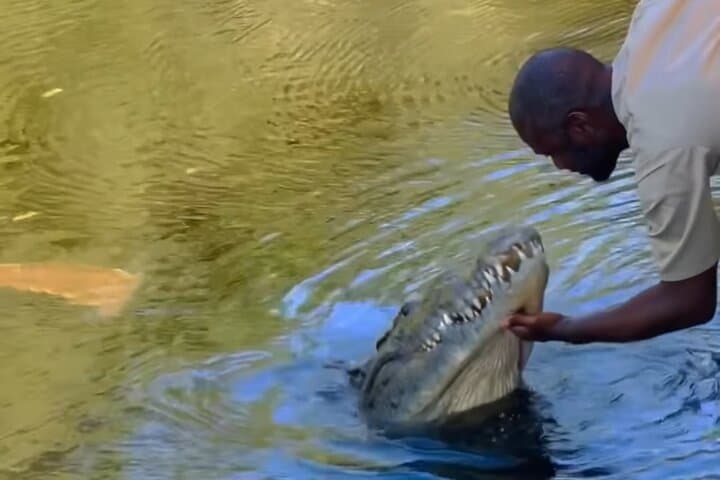
Local efforts focus on protecting mangrove habitat and American crocodile populations; visitors are asked to keep distance from wildlife and avoid feeding animals.
Beanland Tours operates guided outdoor trips and adventures with an emphasis on safety, stewardship, and memorable experiences.
At first light the Black River takes on a slow, reflective hush — the water pulls at the boat like a dark ribbon, mangrove roots reaching out and then letting go. Travelers board a shallow-draft riverboat and glide past alder and red mangrove, while guides scan sunlit banks for the low, prehistoric profile of the American crocodile.
At first light the Black River takes on a slow, reflective hush — the water pulls at the boat like a dark ribbon, mangrove roots reaching out and then letting go. Travelers board a shallow-draft riverboat and glide past alder and red mangrove, while guides scan sunlit banks for the low, prehistoric profile of the American crocodile.
The river helped shape St. Elizabeth’s economy and culture, serving as a colonial transport route for sugar and timber. Geologically, the Black River winds through alluvial flats and limestone outcrops, its wetlands buffering the coast and feeding estuarine life. Local fishing communities and the nearby Appleton Estate rum lands give the corridor a lived-in character — this is working landscape as much as wilderness.
On a private safari the focus is wildlife and quiet observation: crocodiles doze on mudbanks, egrets stalk the shallows, and occasional manatee or turtle slips beneath the surface. Guides provide natural-history context — why mangroves matter, how salinity shifts affect birds, and what conservation work looks like here.
Practical guidance: tours run about four hours including transfer time; bring sunscreen, a wide-brim hat, and a telephoto lens for wildlife shots. Boats are low and open to sun and spray, so wear non-slip shoes and a light rain layer in unpredictable weather. Expect gentle motion rather than open-ocean swell; people of most fitness levels can participate. For a quieter trip, aim for morning departures when crocodiles and birds are most active.