THE ADVENTURE COLLECTIVE® · Independent discovery and booking for outdoor travel

Join a changemaker-hosted roundtable in Langa that blends African dance, storytelling, and advocacy. This two-hour experience connects visitors to Cape Town's community activists and local history while supporting grassroots projects.
Join a changemaker-hosted roundtable in Langa that blends African dance, storytelling, and advocacy. This two-hour experience connects visitors to Cape Town's community activists and local history while supporting grassroots projects.
You step off the van into a narrow street in Langa; music and voices pull you toward a corrugated-roof courtyard where the afternoon light makes the painted walls glow. The session opens with movement—Zumba, kwaito steps, a djembe rhythm—that loosens bodies and shifts the room into conversation.
Verified experiences and guided adventures in the surrounding area.
Operated by Side by Side Experiences & Tours · Langa, Western Cape
You step off the van into a narrow street in Langa; music and voices pull you toward a corrugated-roof courtyard where the afternoon light makes the painted walls glow. The session opens with movement—Zumba, kwaito steps, a djembe rhythm—that loosens bodies and shifts the room into conversation.
Langa is one of Cape Town’s oldest townships, created under segregation in the 1920s and shaped by decades of resistance and community organizing. The geology of the region—Cape Flats sand and distant Table Mountain sandstone—frames a landscape where community spaces have historically doubled as political stages. This roundtable pairs storytelling with movement: local changemakers share first-hand accounts about post‑apartheid struggles, grassroots campaigns, and contemporary debates around race and inequality in South Africa.
Expect a three-part flow: active cultural exchange, focused discussion, and open time for questions. Hosts often demonstrate dance forms like pantsula, kwela, and Xhosa song while linking rhythm to resilience. Photographs are optional and usually handled by guides if you choose the add-on.
Practical guidance: arrive on time, wear comfortable shoes for dancing, and bring a refillable water bottle. The experience is wheelchair accessible and suitable for varied fitness levels, but it asks for cultural sensitivity—listen before you record, and follow hosts’ guidance about interacting with community members and children. A portion of your booking supports local projects; participating is both an educational visit and a small act of solidarity.
easy.
2 hours.
Suitable for all fitness levels; light to moderate movement during dance segments
Yes—venues and surfaces listed are wheelchair accessible; let booking know if you need assistance.
Sessions are typically in English with local languages woven in; guides facilitate translation and context when needed.
Yes—infants and small children can attend and there’s a kids add-on for sessions with after-school program participants.
A percentage of each booking is allocated as year-end gifts—equipment, bursaries, and cash grants—to partner changemakers and programs.
Langa was established in 1927 as a segregated township and later became an epicenter of anti-apartheid organizing and community-led services.
Programs emphasize respectful tourism and direct benefit to local initiatives; visitors are encouraged to minimize waste and support local vendors.
Side by Side Experiences & Tours operates guided outdoor trips and adventures with an emphasis on safety, stewardship, and memorable experiences.
You step off the van into a narrow street in Langa; music and voices pull you toward a corrugated-roof courtyard where the afternoon light makes the painted walls glow. The session opens with movement—Zumba, kwaito steps, a djembe rhythm—that loosens bodies and shifts the room into conversation.
You step off the van into a narrow street in Langa; music and voices pull you toward a corrugated-roof courtyard where the afternoon light makes the painted walls glow. The session opens with movement—Zumba, kwaito steps, a djembe rhythm—that loosens bodies and shifts the room into conversation.
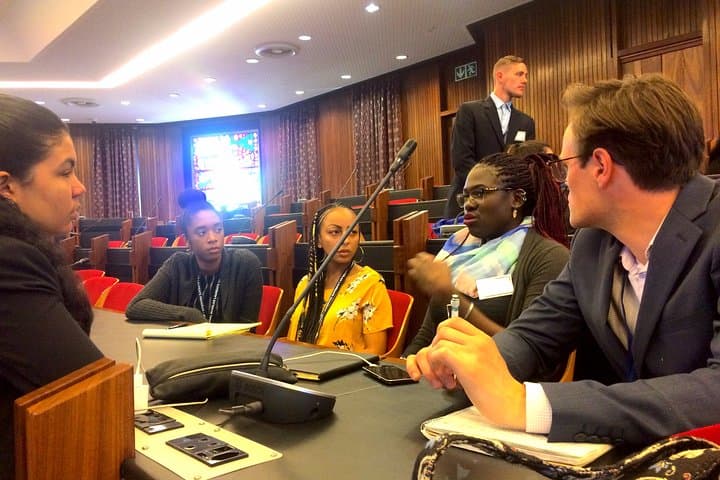
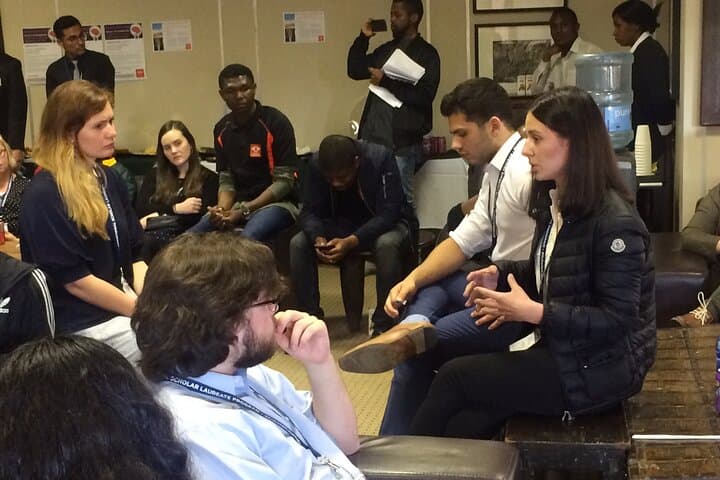
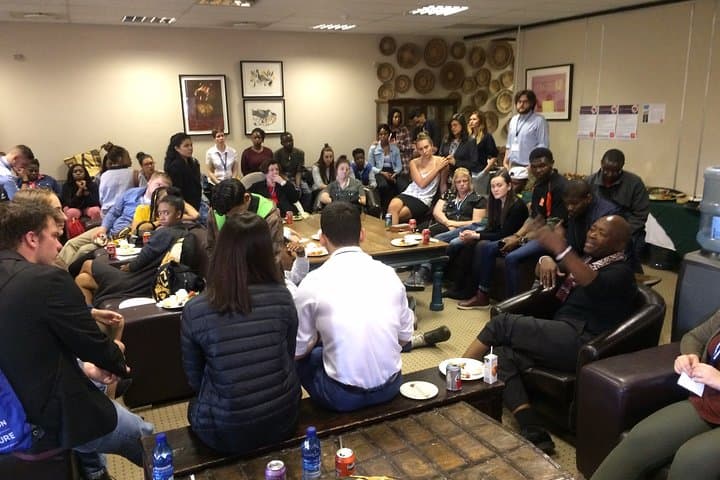
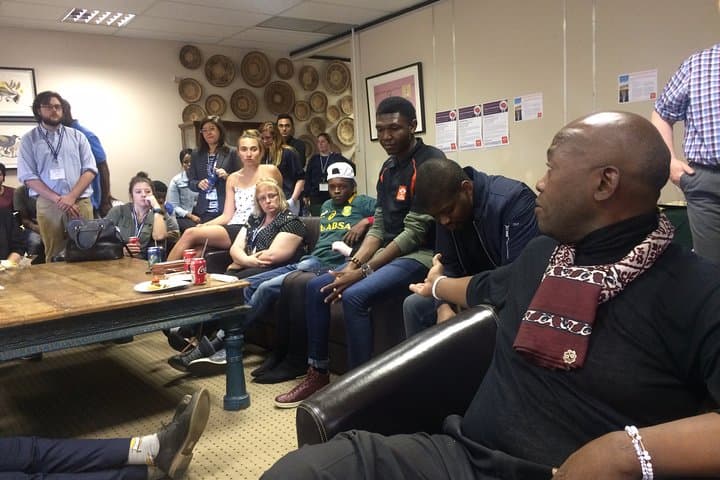
Langa is one of Cape Town’s oldest townships, created under segregation in the 1920s and shaped by decades of resistance and community organizing. The geology of the region—Cape Flats sand and distant Table Mountain sandstone—frames a landscape where community spaces have historically doubled as political stages. This roundtable pairs storytelling with movement: local changemakers share first-hand accounts about post‑apartheid struggles, grassroots campaigns, and contemporary debates around race and inequality in South Africa.
Expect a three-part flow: active cultural exchange, focused discussion, and open time for questions. Hosts often demonstrate dance forms like pantsula, kwela, and Xhosa song while linking rhythm to resilience. Photographs are optional and usually handled by guides if you choose the add-on.
Practical guidance: arrive on time, wear comfortable shoes for dancing, and bring a refillable water bottle. The experience is wheelchair accessible and suitable for varied fitness levels, but it asks for cultural sensitivity—listen before you record, and follow hosts’ guidance about interacting with community members and children. A portion of your booking supports local projects; participating is both an educational visit and a small act of solidarity.